Milia are small, white or yellowish bumps that commonly appear on the skin, particularly around the eyes, cheeks and forehead. Although they are generally harmless, their appearance can affect the smoothness of the skin and cause concern for people who want a clearer complexion. These tiny bumps contain keratin, a natural protein found in the skin, which becomes trapped beneath the surface instead of shedding normally.
Milia can affect people of different ages and skin types. Some disappear naturally, while others may remain for longer periods and require professional attention. Understanding what causes them and knowing which treatments are available can help individuals make better skincare decisions. Those considering milia seed treatment in Singapore can explore professional services that provide suitable solutions based on individual skin conditions and treatment needs.
What Are Milia and Why Do They Develop?
Milia are small cysts that form when keratin becomes trapped beneath the outer layer of the skin. They usually appear as firm, tiny bumps with a white or cream-coloured surface. Unlike ordinary pimples, milia are not caused by bacteria or excess oil trapped inside a pore.
These bumps commonly develop around delicate areas of the face, especially the eyelids, cheeks and nose. However, they can also appear on other parts of the body. Newborn babies frequently develop milia, although the condition can affect teenagers and adults as well.
Several factors may contribute to milia in adults. Skin damage, excessive sun exposure and certain skincare products can affect the natural shedding process. Thick creams and heavy oils may also contribute to blocked skin surfaces in some individuals.
Understanding the possible causes is important because different types of milia may require different approaches. A professional assessment can help determine whether the bumps are milia or another skin condition that looks similar.
Common Factors That Contribute to Milia
Milia can develop for several reasons, and the contributing factors may differ between individuals. Skin injury is one possible cause because the healing process can sometimes trap keratin beneath the surface. This may happen after burns, certain skin procedures or other forms of irritation. For related reading, see visiting a medical aesthetic clinic in Singapore.
Sun exposure is another factor worth considering. Prolonged exposure to ultraviolet radiation can damage the skin and affect its natural renewal process. Over time, this may increase the likelihood of developing certain types of milia.
Skincare habits can also influence skin condition. Using products that are too heavy for an individual’s skin type may contribute to surface congestion. Although milia are not simply blocked pores, choosing suitable skincare products can support healthier skin.
Some cases develop without an obvious cause. This is why it is important not to assume that every small white bump results from poor hygiene or an unsuitable skincare routine.
Professional Milia Removal Treatments
Milia do not always require treatment, particularly when they are small and do not cause discomfort. However, people who want to improve their skin’s appearance may consider professional removal.
The most suitable procedure depends on the number of bumps, their location, the individual’s skin type and the professional’s assessment. Different treatments offer different benefits, so understanding the available options can help people make informed decisions.
Manual Milia Extraction
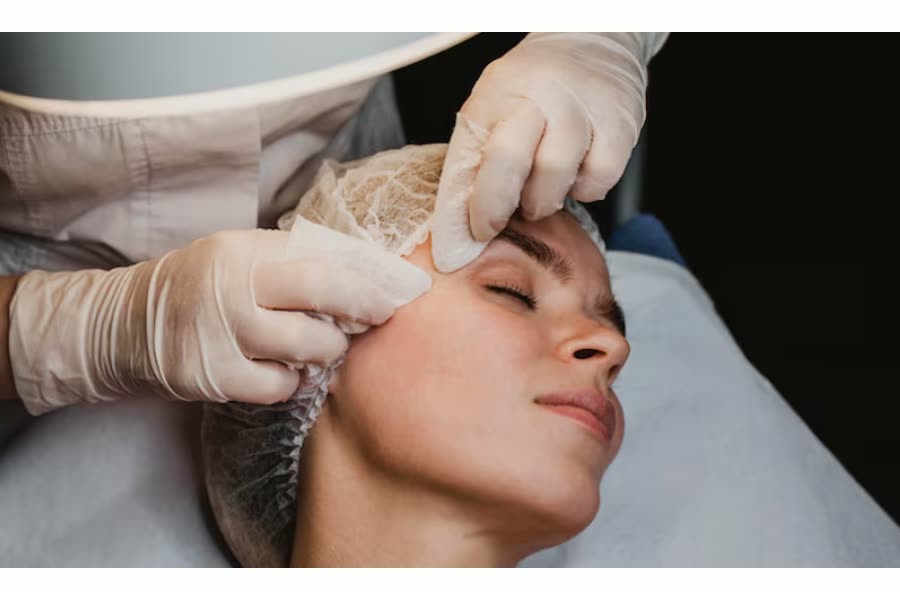
Manual extraction is a common professional method for removing milia. During the procedure, a trained practitioner cleans the affected area and uses an appropriate sterile instrument to create a tiny opening in the surface of the skin.
The trapped keratin can then be carefully removed. This method is often suitable for milia that are close to the skin’s surface and can be accessed safely.
Precision is essential because the skin around the bumps can be delicate, particularly near the eyes. Attempting extraction at home using needles, sharp tools or fingernails can cause infection, irritation and scarring.
Professional extraction allows the practitioner to assess each bump and use suitable techniques. Proper aftercare is also important to help the treated area recover comfortably.
Chemical Peels
Chemical peels are another treatment option that may help improve skin texture and support the removal of dead skin cells. These procedures involve applying a controlled chemical solution to the skin to encourage exfoliation and renewal.
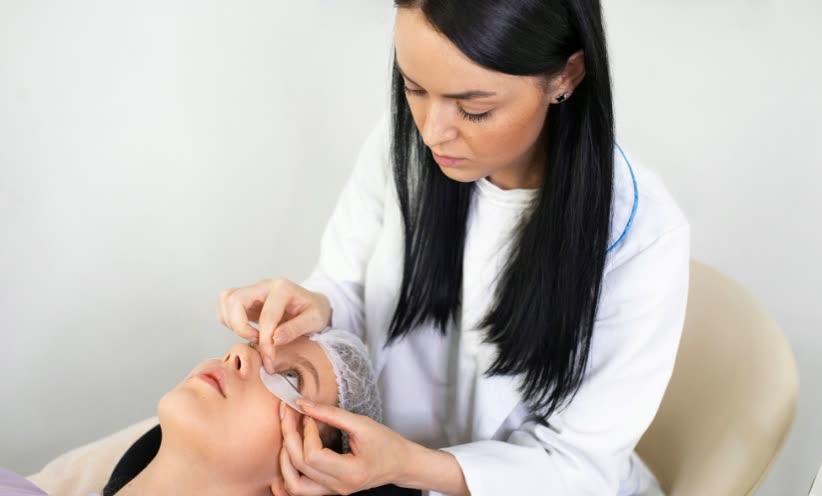
Ingredients such as glycolic acid and salicylic acid are commonly used in certain exfoliating treatments. They can help remove accumulated dead skin cells and improve the overall appearance of the skin.
However, chemical peels are not suitable for every type of milia, and they may not remove existing cysts directly. The appropriate strength and formulation depend on the individual’s skin condition and sensitivity.
A qualified skincare professional or dermatologist should assess the skin before recommending a peel. This helps reduce the possibility of irritation, excessive dryness or unwanted pigmentation changes.
Laser Treatments
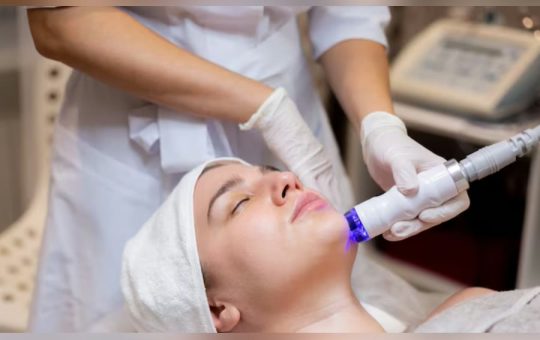
Laser treatments may be considered for selected cases where conventional removal methods are unsuitable. These procedures use focused energy to target specific areas of the skin.
The treatment method depends on the type of laser being used and the location of the milia. A qualified practitioner must assess whether laser treatment is appropriate because different devices have different effects on the skin.
Laser procedures may be useful for certain difficult-to-treat lesions, but they are not necessary for every case. Patients should discuss possible side effects, recovery time and expected results before proceeding.
Cryotherapy
Cryotherapy involves using controlled cold, commonly through liquid nitrogen, to treat selected skin lesions. The freezing process damages the targeted tissue, allowing it to heal over time.
Although cryotherapy may be suitable for certain skin conditions, it is not usually the first choice for ordinary facial milia. The procedure can cause temporary irritation, blistering or changes in skin pigmentation.
People with darker skin tones should be particularly careful because some treatments involving skin injury can increase the risk of post-inflammatory pigmentation. A professional assessment is necessary before considering this option.
Topical Retinoids
Topical retinoids are vitamin A derivatives that encourage skin cell turnover. They are commonly used to manage certain skin conditions and may help reduce the formation of some types of milia.
These products encourage the shedding of dead skin cells and can support a smoother skin surface. However, they do not provide an immediate solution for established milia, and their suitability depends on the individual’s skin condition.
Retinoids can cause dryness, redness and irritation, particularly when introduced too quickly. A dermatologist can recommend an appropriate formulation and explain how to use it safely.
Choosing a Professional Milia Treatment Service
Selecting an experienced professional is an important part of achieving suitable treatment results. Although milia may appear harmless, incorrect removal techniques can damage surrounding skin and lead to unnecessary complications.
A qualified practitioner should examine the affected area, understand the individual’s skin concerns and explain the available treatment options. They should also discuss possible side effects, expected recovery and the likelihood of recurrence.
People considering milia seed treatment in Singapore should look for services that provide individual skin assessments rather than relying on a single treatment approach for everyone.
A suitable treatment plan should consider the location and number of milia, skin sensitivity and any existing skin concerns. Professional advice also helps distinguish milia from other conditions that may require different care.
Aftercare and Maintaining Healthy Skin
Aftercare plays an important role in supporting skin recovery following professional milia removal. The treated area should be kept clean, and individuals should follow the specific instructions provided by their practitioner.
Gentle skincare products are generally preferable while the skin is recovering. Strong exfoliants, harsh cleansers and irritating ingredients should be avoided when advised by the treating professional.
Daily sunscreen use is also important. Protecting the skin from ultraviolet exposure helps reduce further sun damage and supports overall skin health.
It is best to avoid touching, scratching or picking at treated areas. Allowing the skin to heal naturally can reduce the risk of irritation, infection and unwanted marks.
Selecting Suitable Skincare Products
The products used in a daily skincare routine can influence the condition of the skin. Individuals who are prone to milia may benefit from choosing lightweight, non-comedogenic products that are less likely to contribute to surface congestion.
Gentle cleansing helps remove dirt, excess oil and product residue without unnecessarily stripping the skin. Moisturisers should be selected according to individual skin needs rather than choosing the thickest available formulation.
Exfoliation may also support the removal of dead skin cells, but excessive exfoliation can damage the skin barrier. Using too many active ingredients at the same time may cause redness and sensitivity.
Anyone experiencing recurring milia should consider reviewing their skincare routine with a qualified professional. Making suitable adjustments can support healthier skin and help reduce contributing factors.
Why Professional Consultation Matters
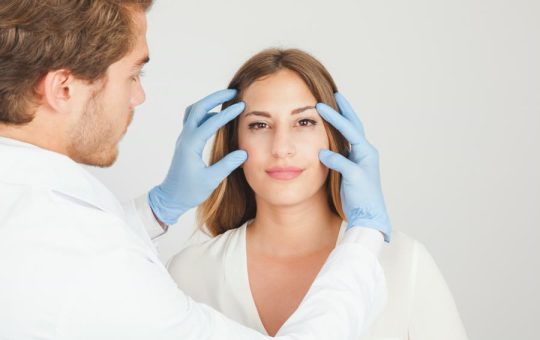
Although milia are generally harmless, an accurate assessment is important before beginning treatment. Other skin conditions can sometimes resemble milia, so professional evaluation helps ensure that the correct condition is identified.
A dermatologist can examine the bumps, assess their location and recommend suitable treatment options. They can also explain whether removal is necessary or whether monitoring the condition is sufficient.
Professional advice is particularly important when bumps appear close to the eyes, become irritated, change in appearance or develop alongside other unusual skin symptoms.
Achieving Clearer Skin Through Appropriate Care
Milia are a common skin concern, but they can be managed through suitable treatment and consistent skincare habits. Options such as professional extraction, selected chemical peels and topical treatments may help depending on the type and condition of the skin.
Choosing an appropriate treatment requires understanding the cause of the bumps and considering individual skin needs. With professional guidance, careful aftercare and suitable skincare products, individuals can support healthier skin and improve its overall appearance. A thoughtful approach to milia treatment can provide better results while reducing the risk of unnecessary irritation or skin damage.