The early years of childhood are filled with important discoveries. From learning to communicate and make friends to developing basic problem-solving abilities, young children gain skills that influence their future growth. A positive nursery experience can make these early milestones easier by providing a safe place where children can explore, play, and develop at their own pace. In Singapore, families looking for early childhood education in Yishun can consider centres such as Little Footprints Preschool Yishun Block 865 Preschool, Nursery & Kindergarten.
Choosing a nursery is an important decision because children spend a significant part of their day learning and interacting in this environment. Parents naturally want a centre that offers more than basic classroom instruction. A good nursery should support intellectual, physical, social, and emotional development while helping children become comfortable with new experiences. Understanding what makes an early learning environment effective can help families make a suitable choice.
Why the Nursery Years Are Important
The nursery stage provides children with opportunities to develop skills that will support them throughout their education. During these years, children begin understanding language, recognising patterns, following instructions, and expressing their thoughts. They also learn how to interact with people outside their immediate family.
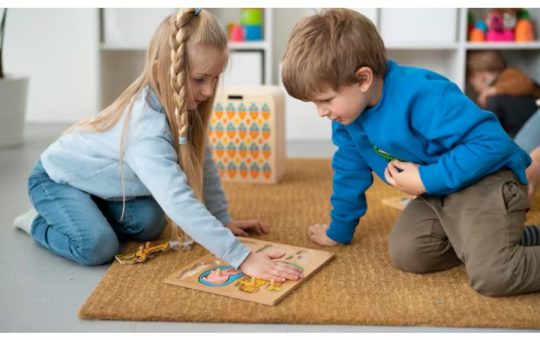
Early childhood education introduces these abilities through activities that are suitable for young learners. Storytelling, singing, drawing, building blocks, and simple games can all support different areas of development. For example, listening to stories helps children become familiar with words and sentence structures, while puzzles encourage them to think through problems and find solutions.
Learning at this age should not feel like formal academic training. Children benefit from activities that allow them to discover ideas naturally while receiving guidance from caring educators. A balanced nursery programme helps build curiosity and encourages children to see learning as an enjoyable part of everyday life.
A Child-Centred Curriculum for Balanced Growth
A strong nursery curriculum recognises that children have different abilities, interests, and developmental needs. Rather than expecting every child to learn at the same pace, educators can use a variety of activities to encourage progress across different areas.
At centres such as Little Footprints Preschool Yishun Block 865 Preschool, Nursery & Kindergarten, parents can explore how the programme combines guided learning with play and discovery. Activities that involve colours, shapes, numbers, and language introduce basic concepts, while creative projects and group experiences provide opportunities to practise communication and cooperation.
A child-centred approach also gives children room to make choices and explore their interests. A child who enjoys drawing may be encouraged to experiment with different materials, while another who enjoys building may be given opportunities to create simple structures. These experiences help children develop confidence while discovering what they enjoy.
The Value of Experienced and Caring Educators
Teachers play an important role in shaping a child’s nursery experience. Young children need educators who understand their developmental needs and can respond patiently to their questions, emotions, and behaviour. A caring teacher helps create an environment where children feel comfortable participating and expressing themselves.
Experienced educators also recognise that children may respond differently to the same activity. Some may quickly join group discussions, while others need encouragement before speaking in front of classmates. By observing each child’s behaviour and progress, teachers can adjust their approach and provide appropriate support.
The relationship between educators and children is particularly important during the early adjustment period. Starting nursery may involve separation from parents and becoming familiar with unfamiliar routines. Patient guidance, predictable schedules, and positive interactions can help children gradually feel more secure and independent.
Learning Through Purposeful Play and Classroom Activities
Play is one of the most effective ways for young children to understand their surroundings. It gives them opportunities to experiment, communicate, imagine, and practise new abilities without the pressure of formal assessments.
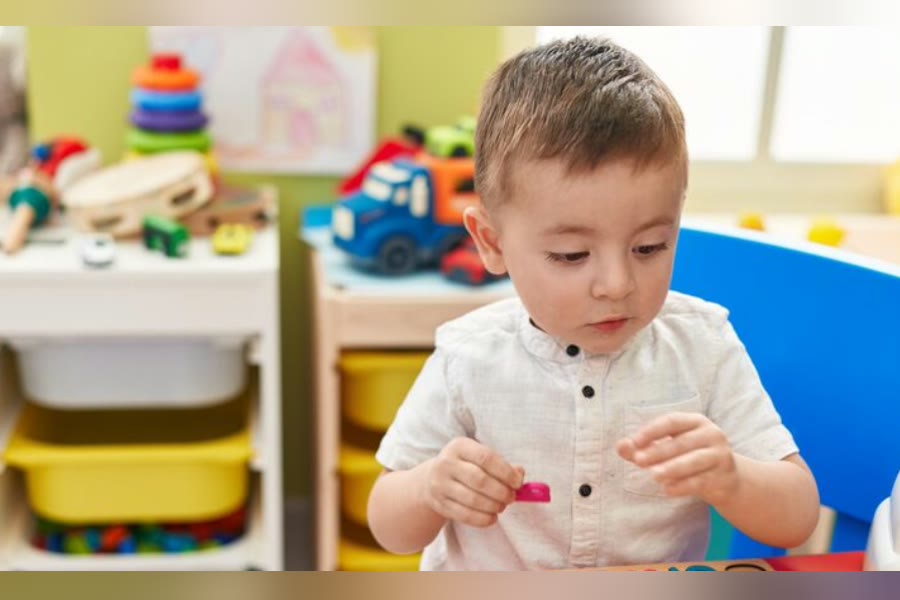
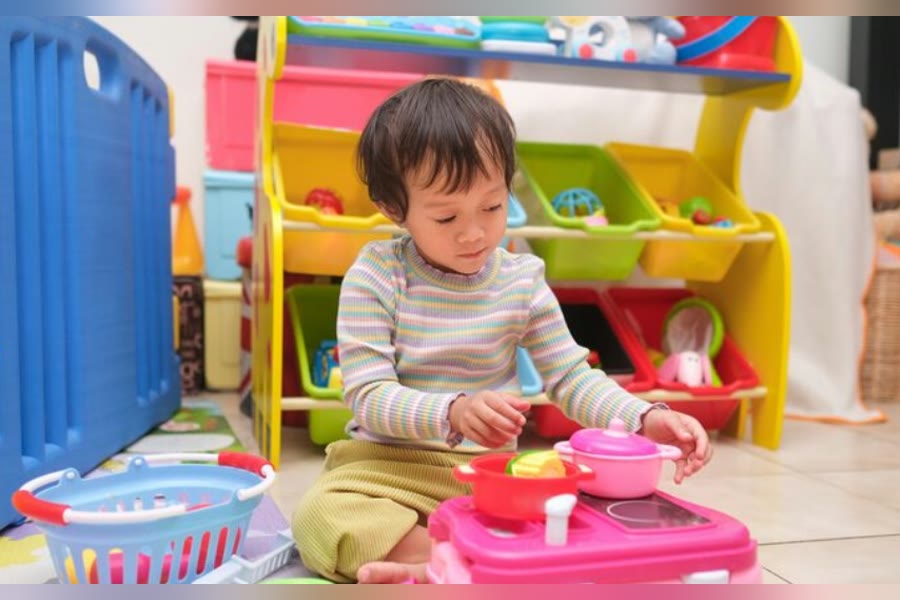
Group games can introduce cooperation and turn-taking, while pretend-play activities allow children to explore everyday situations. Building blocks and matching games can support spatial awareness and early problem-solving. Art and music activities encourage creativity and give children different ways to express their ideas. For more on a related topic, you may find our article on educational websites for kids useful.
Outdoor play is equally valuable. Running, climbing, balancing, and moving through different play areas help develop coordination and physical confidence. These experiences also allow children to interact with classmates in a less structured setting, strengthening their social skills.
Creating a Safe and Stimulating Learning Environment
The physical environment of a nursery can influence how children feel and participate throughout the day. Classrooms should be organised, welcoming, and suitable for the age groups using them. Educational materials should be accessible, and activity areas should provide enough room for children to explore safely.
Outdoor spaces can add another dimension to the learning experience. Access to suitable play areas gives children opportunities to develop motor skills and enjoy physical activities. Teachers should supervise these experiences carefully and ensure that play equipment and learning materials are appropriate for young learners.
Cleanliness, security procedures, and clear supervision arrangements are also important considerations for parents. When visiting a nursery, families can ask about classroom routines, child safety practices, emergency procedures, and how educators manage daily transitions. These details help parents understand how the centre protects children’s well-being.
Building Social Skills and Emotional Understanding
Nursery provides an early opportunity for children to form friendships and learn how to interact with people from different backgrounds. Through everyday classroom experiences, they begin to understand sharing, listening, taking turns, and respecting other people’s needs.
Emotional development is closely connected to these social experiences. Young children are still learning how to recognise and communicate feelings such as frustration, excitement, sadness, and disappointment. Teachers can help by giving children the language to describe their emotions and showing them appropriate ways to respond.
Activities such as role-playing, storytelling, and collaborative games can introduce situations that encourage empathy and problem-solving. When disagreements happen, educators can guide children towards expressing their concerns and finding simple solutions. These lessons help establish positive habits that can benefit them as they grow.
Encouraging Cultural Awareness and Inclusion
Singapore is home to people with different cultural backgrounds, languages, and traditions. Introducing children to this diversity during their early years can help them develop respect and curiosity about the world around them.
Nursery activities may include stories, songs, celebrations, and classroom discussions that introduce different customs and traditions. These experiences help children understand that families may have different practices while sharing common values such as kindness, friendship, and respect.
An inclusive classroom also makes children feel that their backgrounds and experiences are valued. Educators can encourage positive interactions by teaching children to appreciate differences and treat their classmates fairly.
Supporting Healthy Habits and Everyday Independence
Physical well-being is an important part of early childhood development. Nursery routines can help children become familiar with healthy habits, including handwashing, eating balanced meals, drinking water, and staying active. Consistent routines make these practices easier to understand and follow.
Meal times can also become learning opportunities. Children can practise using utensils, developing table manners, and becoming more independent when eating. Where meals are provided, parents should review the centre’s food arrangements and discuss any dietary requirements or allergies.
Daily routines also encourage independence in other areas. Putting away toys, organising personal belongings, and following simple instructions help children develop responsibility. These small tasks may seem ordinary, but they prepare young learners for the greater independence expected as they progress through school.
Technology and Progress Monitoring in Early Learning
Technology can support nursery education when used carefully and in ways that suit young children. Selected digital resources may introduce stories, sounds, images, and interactive learning activities. However, screen-based experiences should remain balanced with physical play, conversation, creative work, and hands-on exploration.
Monitoring children’s progress is another important part of early education. Rather than relying only on formal tests, teachers can observe how children communicate, participate in activities, solve problems, and interact with classmates. These observations help educators understand each child’s development and identify areas where additional encouragement may be useful.
Parents should receive clear and constructive feedback about their child’s experiences. Regular discussions can help families understand developmental progress and find ways to reinforce learning at home without placing unnecessary pressure on children.
Finding the Right Nursery in Yishun
Selecting a nursery involves considering the child’s needs as well as the family’s daily routine. Location, operating hours, curriculum, teacher-child interactions, safety arrangements, and communication with parents can all influence the decision. Visiting a centre and speaking with its educators can provide a clearer understanding of its learning environment than relying on general descriptions alone.
A quality nursery should help children feel secure while encouraging them to explore, communicate, and develop new abilities. For families in Yishun, finding a centre that balances structured learning with play, emotional support, and healthy routines can provide a meaningful start to their child’s educational journey.