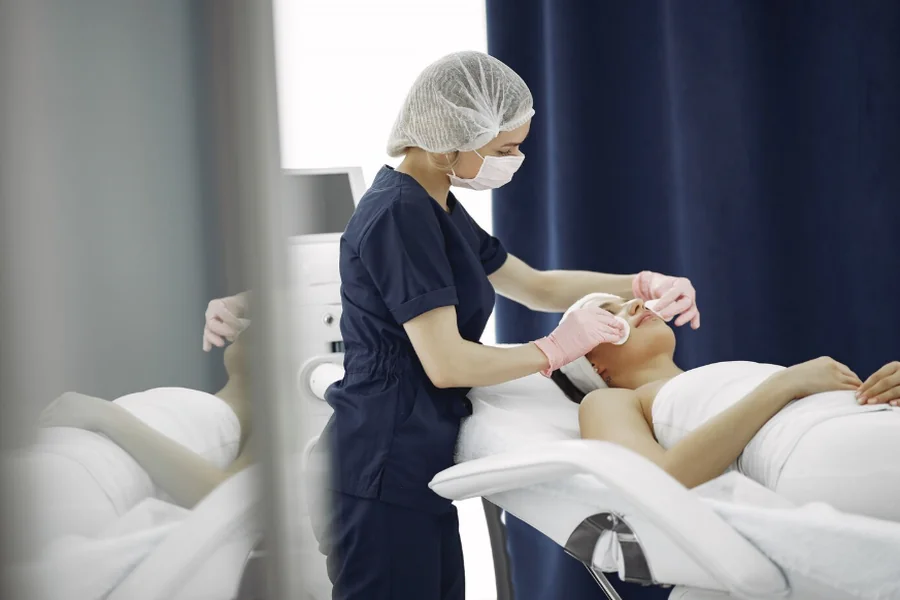
Choosing a medical aesthetic clinic in Singapore involves more than comparing treatment prices or looking at before-and-after photographs. Whether you are concerned about acne scars, uneven skin tone, wrinkles or changes in skin firmness, the quality of the consultation and the suitability of the recommended treatment matter just as much as the procedure itself.
Medical aesthetic treatments are intended to address specific skin or appearance-related concerns through procedures that require appropriate medical knowledge and supervision. When choosing a medical aesthetic clinic in Singapore, a proper assessment should come before any recommendation, as different treatments work in different ways. Understanding what to expect from a clinic visit helps you make a more informed decision and avoid treatments that do not match your needs.
What Does a Medical Aesthetic Clinic Offer?
A medical aesthetic clinic provides treatments designed to improve the appearance of the skin and address certain cosmetic concerns. Depending on the clinic’s services and the practitioner’s qualifications, these may include laser procedures, injectable treatments, chemical peels, skin rejuvenation and non-surgical skin tightening.
Each procedure has a different purpose. Laser treatments, for example, use specific wavelengths of light to target concerns such as pigmentation, redness or unwanted hair. Chemical peels involve applying a chemical solution to encourage controlled exfoliation. Injectable treatments may be used for particular cosmetic indications, while ultrasound-based procedures aim to stimulate changes in deeper tissue.
The availability of a treatment does not automatically mean it is suitable for everyone. A clinic should explain the purpose of each recommended procedure, its limitations and the alternatives available.
Start With a Proper Consultation
A useful consultation begins with understanding your concerns. You should have the opportunity to explain what you want to improve, when you first noticed the issue and whether you have tried other treatments.
The practitioner may ask about your medical history, current medication, allergies, previous cosmetic procedures and skincare routine. These details are important because they can affect treatment suitability, possible side effects and recovery.
An examination of the skin should follow where appropriate. For example, pigmentation concerns need to be assessed carefully because different conditions can look similar but require different approaches. Acne scars also vary in type and depth, so a single treatment is unlikely to address every form equally well.
Be cautious if a clinic recommends an expensive procedure without asking relevant questions or examining the concern properly. A treatment plan should have a clear clinical reason behind it.
Common Skin Concerns Addressed by Medical Aesthetic Treatments
People visit medical aesthetic clinics for a range of concerns, although the appropriate treatment depends on the underlying cause and severity.
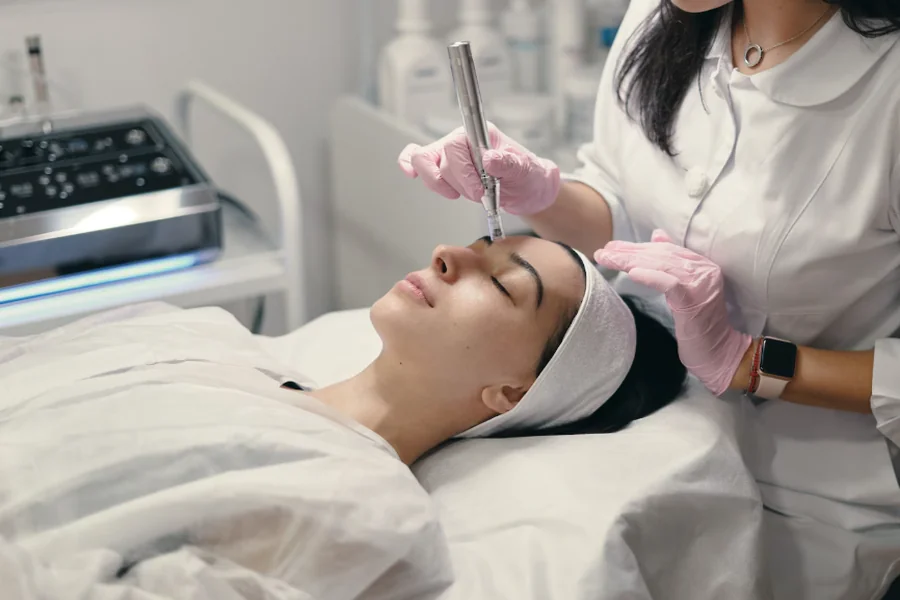
Acne scars are one common reason for seeking professional advice. Some scars appear as shallow depressions, while others have deeper or narrower shapes. Treatments such as certain lasers, microneedling procedures or other specialist techniques may be considered, but results vary according to scar type and skin condition.
Pigmentation is another frequent concern in Singapore, where regular sun exposure can contribute to uneven skin tone. Dark spots, melasma and post-inflammatory pigmentation are not identical conditions. Their causes and treatment requirements differ, making accurate assessment particularly important.
Fine lines, wrinkles and reduced skin firmness may also prompt people to explore aesthetic procedures. Depending on the concern, options may include resurfacing, injectable treatments or non-surgical tightening technologies. These procedures have different effects and should not be presented as interchangeable solutions.
Why Treatment Plans Should Be Individualised
There is no single treatment that works equally well for every person. Skin type, age, medical history, lifestyle and the nature of the concern all influence the options worth considering.
For example, someone with sensitive skin or a history of pigmentation after inflammation may need a more cautious approach to certain energy-based treatments. A person with deeper acne scars may require a different combination of procedures from someone whose main concern is superficial discolouration.
An individualised plan should explain the recommended treatment, why it has been selected and what outcome is realistically achievable. It should also cover the expected number of sessions, intervals between appointments and any preparation or aftercare requirements.
You should not feel obliged to accept every treatment suggested during the first visit. Taking time to understand the recommendation is a reasonable part of making a decision about your appearance and wellbeing.
Understanding Risks, Recovery and Aftercare
Medical aesthetic procedures carry different levels of risk. Temporary redness, swelling, tenderness, peeling or sensitivity may occur after certain treatments. Other procedures have specific risks that depend on the technique, device, treatment area and individual health factors.
Before proceeding, ask the practitioner to explain the possible side effects and complications in plain language. Find out what normal recovery looks like, which symptoms require medical attention and who to contact if you experience an unexpected reaction.
Aftercare also deserves attention. Some treatments require you to avoid direct sun exposure, pause particular skincare ingredients or follow specific cleansing instructions. In Singapore’s hot and humid climate, sun protection is especially important when managing pigmentation or recovering from procedures that leave the skin more sensitive.
Following the clinic’s instructions helps support recovery, but it does not guarantee a particular cosmetic result. If the treatment involves multiple sessions, the practitioner should review your response before recommending further procedures.
How to Evaluate a Medical Aesthetic Clinic in Singapore
When comparing clinics, check who will assess you and perform the procedure. Ask about the practitioner’s relevant qualifications and experience with the specific treatment being considered. In Singapore, medical practitioners and aesthetic procedures are subject to regulatory requirements, so it is sensible to verify relevant information rather than relying solely on advertising.
The clinic should also provide clear information about the equipment or products used. For device-based procedures, ask which machine is involved and whether it is appropriate for your concern. For injectable treatments, ask what product is being used and why it has been recommended.
Transparent pricing is another important consideration. Request a breakdown of the consultation fee, procedure cost, number of sessions and any additional charges. Promotional packages should not replace a proper discussion of suitability.
Pay attention to how the clinic communicates. Staff should answer questions clearly, explain limitations and avoid pressuring you into immediate payment. Be wary of guarantees, exaggerated claims or suggestions that one procedure will resolve several unrelated skin concerns.
Are More Expensive Treatments Always Better?
A higher price does not necessarily mean a treatment is more effective or appropriate. Cost can reflect the equipment, practitioner experience, clinic facilities and treatment complexity, but it does not establish that a procedure is the best choice for your skin.
Likewise, the cheapest option may not provide the level of assessment or care you need. Instead of comparing prices alone, consider the treatment rationale, practitioner experience, safety arrangements and quality of follow-up care.
A suitable treatment plan should make sense for your concern and budget. If the proposed approach is unclear or seems excessive, seeking another medical opinion is a sensible step.
Final Thoughts
A visit to a medical aesthetic clinic should begin with a clear understanding of your skin concerns, followed by a professional assessment and a treatment recommendation supported by sound reasoning. The most suitable option is not necessarily the newest procedure or the one receiving the most attention online.
When choosing a clinic in Singapore, give priority to practitioner qualifications, transparent communication and realistic expectations. A clinic that explains both the benefits and limitations of its treatments gives you a better basis for deciding whether to proceed.