Healthy, smooth, and radiant skin is a beauty goal shared by many people. In recent years, the Korean-inspired glass skin trend has gained popularity around the world, encouraging people to focus on hydration, skin texture, and natural-looking brightness. This growing interest has also increased demand for the glass skin facial in Singapore, a professional skincare treatment designed to improve the appearance of dull, dry, and uneven skin.
Inspired by Korean beauty practices, the glass skin facial combines cleansing, exfoliation, hydration, and nourishing skincare products. Depending on the provider, the treatment may also include specialised equipment to support product application. Rather than simply creating a temporary shine, its main purpose is to leave the skin looking refreshed, smoother, and well-moisturised. Understanding how the treatment works can help people decide whether it suits their skincare goals.
Understanding the Korean Glass Skin Concept
Glass skin originated from South Korea’s beauty culture and describes a complexion that looks smooth, clear, hydrated, and naturally luminous. The term refers to the way healthy, well-moisturised skin reflects light, creating a fresh appearance similar to polished glass.
However, glass skin does not mean having completely invisible pores or a complexion without natural texture. Everyone has pores, fine lines, and individual skin characteristics. The goal is to improve the overall appearance and condition of the skin rather than achieve an unrealistic standard of perfection.
Korean skincare generally places importance on regular maintenance instead of relying on one product or treatment. This approach often includes gentle cleansing, layering hydrating products, supporting the skin barrier, and applying sunscreen consistently. Professional glass skin facials follow similar principles while offering a more focused skincare session.
How a Glass Skin Facial Helps Improve Skin Appearance
A glass skin facial usually combines several skincare techniques to address different concerns. One of its main focuses is removing surface impurities and dead skin cells that can contribute to a rough or dull complexion. For related reading, see medical aesthetic clinic treatment plans.
Exfoliation helps improve the appearance of skin texture by removing accumulated dead cells. Depending on the treatment, providers may use gentle exfoliating products containing alpha hydroxy acids or beta hydroxy acids. These ingredients work differently, so the choice should depend on the individual’s skin type and concerns. Using strong exfoliants or combining too many active ingredients can cause irritation, which is why professional assessment is important.
Hydration is another major part of the process. Products containing hyaluronic acid, glycerin, and other moisturising ingredients help attract and retain water in the outer layers of the skin. When the skin is adequately hydrated, it can appear softer, plumper, and more refreshed.
Some treatments also include antioxidants, peptides, and botanical extracts. These ingredients are commonly used to support skin conditioning and improve the appearance of uneven tone. The specific results depend on the formulation, treatment method, and individual skin condition.
The Main Benefits of a Glass Skin Facial
One of the reasons people choose this treatment is its focus on hydration. Dry or dehydrated skin can appear dull and may make fine lines more noticeable. Applying suitable hydrating products can help improve skin comfort and create a smoother-looking surface.
Another potential benefit is improved skin texture. Gentle exfoliation and moisturising products may help soften rough areas and make the complexion appear more even. While a facial cannot permanently remove pores or eliminate every blemish, consistent skincare may help improve their overall appearance.
Radiance is also an important part of the glass skin experience. When the surface is smoother and properly moisturised, it can reflect light more evenly. This creates a natural-looking glow that may reduce the need for heavy makeup.
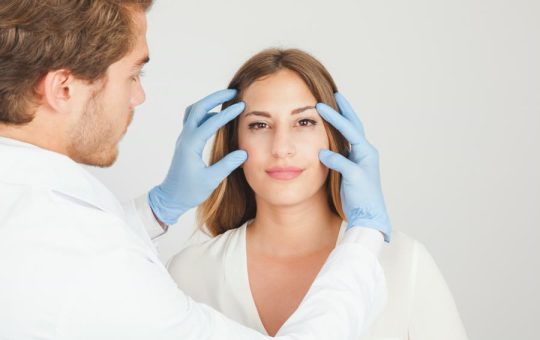
The treatment can also provide an opportunity to address specific skincare concerns. Some providers customise their products based on whether a client is dealing with dryness, dullness, or uneven pigmentation. However, more persistent concerns may require advice from a qualified dermatologist rather than relying on facials alone.
What Happens During a Glass Skin Facial Session?
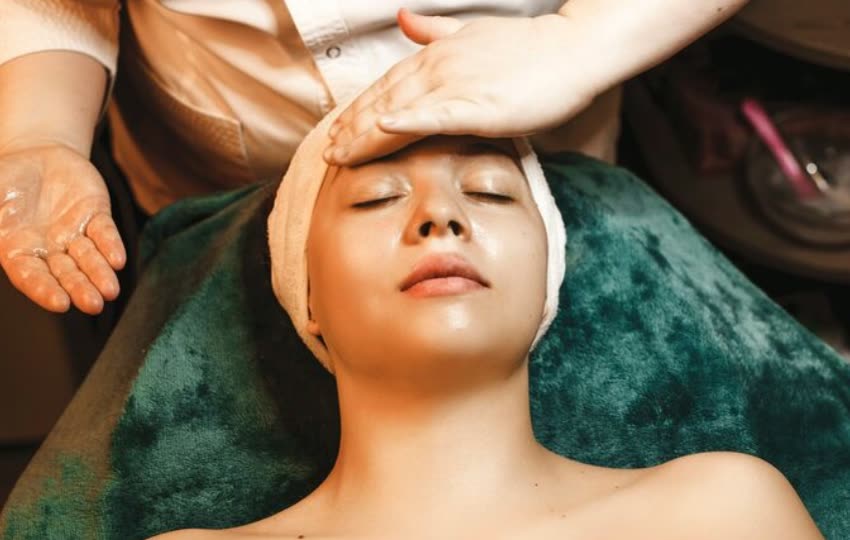
The exact process varies between skincare providers, but most treatments begin with a thorough cleansing session. An oil-based cleanser may be used to remove makeup, sunscreen, and excess sebum, followed by a gentle water-based cleanser to remove remaining impurities. This double-cleansing method helps prepare the skin for the following steps.
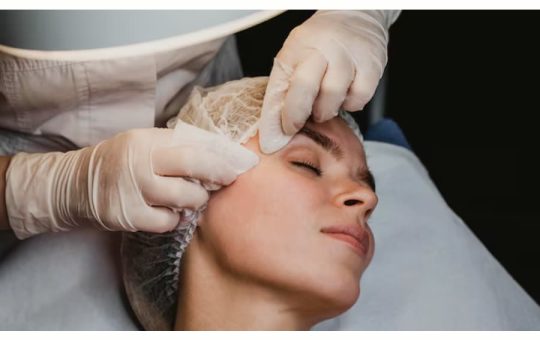
Exfoliation usually comes next. The provider selects a suitable exfoliating product or technique based on the client’s skin condition. The purpose is to remove dead skin cells without causing unnecessary irritation. People with sensitive skin may require a gentler approach or may need to avoid certain exfoliating ingredients.
After exfoliation, a hydrating toner or essence may be applied. These lightweight products help add moisture and prepare the skin for additional skincare layers. A serum may then be selected to address concerns such as dryness, uneven tone, or visible signs of ageing.
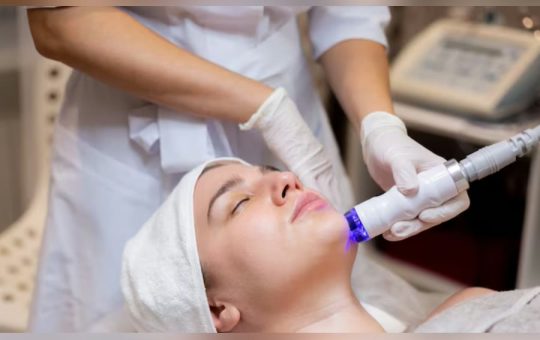
Some providers use specialised equipment, such as ultrasound-based devices or other product application technologies, as part of their facial services. These methods are intended to support the treatment process, although their effectiveness depends on the equipment and the products used.
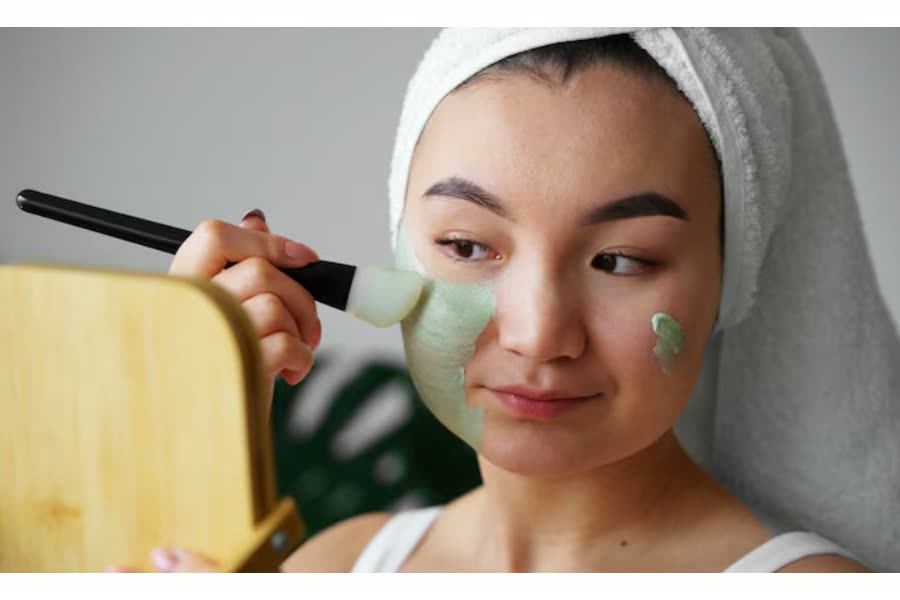
A sheet mask or hydrating mask may follow to provide additional moisture and comfort. The session generally ends with a suitable moisturiser to help maintain hydration. During daytime treatments, sunscreen should also be applied to protect the skin from ultraviolet exposure.
Choosing the Right Treatment for Your Skin Type
Not every glass skin facial is suitable for every person. Skin type and existing concerns should guide the choice of products and techniques. People with dry skin may benefit from treatments that focus on hydration and barrier support, while those with oily skin may need lightweight moisturisers and carefully selected cleansing products.
Sensitive skin requires additional attention because strong exfoliants, fragrances, and certain active ingredients may trigger redness or discomfort. Anyone with active irritation, open wounds, or an existing skin condition should discuss their situation with a qualified professional before undergoing treatment.
Choosing a reputable skincare provider is equally important. Clients should ask about the products used, the equipment involved, the professional’s training, and possible side effects. A trustworthy provider should explain what the treatment can realistically achieve rather than promise completely poreless or flawless skin.
It is also helpful to mention any known allergies, previous reactions, and current skincare products before the session. This information allows the provider to make more suitable recommendations and avoid unnecessary ingredient combinations.
Maintaining Your Results After the Facial
Professional skincare treatments can leave the complexion looking refreshed, but maintaining the results requires consistent care at home. A simple routine with a gentle cleanser, moisturiser, and sunscreen can help support the skin between appointments.
Sun protection is particularly important because ultraviolet exposure contributes to premature ageing and uneven pigmentation. Applying broad-spectrum sunscreen during the day helps protect the skin and maintain a more even-looking complexion.
Hydration should also remain part of the daily routine. Moisturisers containing ingredients such as glycerin, hyaluronic acid, or ceramides can help support the skin’s moisture balance. Exfoliating products should be used carefully, especially after a facial that already includes exfoliation. Following the provider’s aftercare instructions can help reduce the risk of irritation.
Lifestyle habits also contribute to general skin health. Getting enough sleep, eating a balanced diet, and staying adequately hydrated support overall well-being. Although these habits cannot guarantee a glass-like complexion, they can complement a consistent skincare routine.
The Growing Popularity of Professional Skincare in Singapore
Singapore’s beauty and skincare industry continues to offer treatments influenced by international trends and changing consumer preferences. The popularity of glass skin facials reflects a wider interest in services that focus on skin hydration, natural radiance, and personalised care.
As skincare technology develops, providers may introduce new equipment, product formulations, and treatment combinations. However, the most important consideration remains whether a particular method is appropriate for the client’s skin. More technology or more treatment steps do not automatically mean better results.
Making Healthy Skin the Main Beauty Goal
The glass skin facial offers a modern way to explore Korean-inspired skincare while focusing on hydration, texture, and a healthy-looking complexion. Its combination of cleansing, exfoliation, and nourishing products can help improve the skin’s appearance when selected and performed appropriately.
For anyone considering a glass skin facial in Singapore, understanding personal skin needs and choosing a qualified provider are important first steps. Professional treatments can complement daily skincare, but they should not replace consistent cleansing, moisturising, and sun protection. Ultimately, the best results come from caring for the skin in a way that supports its natural condition rather than chasing an unrealistic idea of flawlessness.