Early childhood is an important stage when children begin discovering their interests, developing relationships, and making sense of the world around them. The way they learn during these years can influence their confidence, creativity, and attitude towards education as they grow. Among the different approaches to preschool education, Reggio Emilia has gained attention for placing children at the centre of the learning process. Rather than relying mainly on direct instruction, this philosophy encourages children to explore ideas, ask questions, express themselves, and learn through meaningful experiences. A Reggio preschool environment reflects these principles by giving young learners opportunities to take an active role in their own development.
Originating in the town of Reggio Emilia in northern Italy after the Second World War, this educational philosophy was developed through the efforts of local families and educators who wanted to create a more thoughtful approach to early learning. Today, its influence can be seen in preschools around the world, including schools that adapt its principles to suit their communities and educational settings. EtonHouse offers a Reggio preschool experience that encourages children to learn through exploration, discovery, and meaningful interactions.
Understanding the Child-Centred Reggio Emilia Philosophy
The Reggio Emilia approach is based on the belief that children are capable, curious, and full of ideas. They are not viewed as passive learners who simply receive information from adults. Instead, they are encouraged to investigate their surroundings, form their own understanding, and share what they discover.
This philosophy recognises that children learn in different ways and should have opportunities to explore subjects that interest them. A simple question about plants, buildings, animals, or everyday objects can become the starting point for a deeper learning experience. Teachers support this process by listening carefully, asking questions, and providing materials that help children develop their ideas.
An important concept within Reggio Emilia is the idea of the “hundred languages of children.” This phrase refers to the many ways young learners can communicate their thoughts and understanding. Drawing, painting, building, storytelling, movement, music, and conversation are all considered valuable forms of expression. By offering different ways to communicate, educators allow children to demonstrate their abilities beyond traditional classroom activities.
Why the Learning Environment Matters
One of the most recognisable features of Reggio Emilia-inspired education is the importance given to the classroom environment. Often described as the “third teacher,” the learning space is designed to encourage curiosity, independence, and interaction. For related reading, see educational websites for kids.
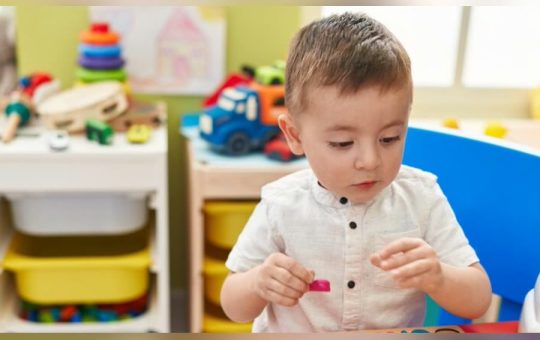
Instead of arranging every area around formal lessons, educators create welcoming spaces where children can move, observe, experiment, and work together. Natural light, accessible shelves, flexible furniture, plants, and carefully selected learning materials can make the classroom more inviting. The layout may also change as children’s interests develop and new projects emerge.
Open-ended materials are particularly useful because they allow children to decide how they want to use them. Blocks, clay, recycled objects, fabric, natural materials, and art supplies can support different kinds of exploration. A collection of leaves, for example, may encourage children to compare shapes, notice colours, create artwork, or ask questions about nature.
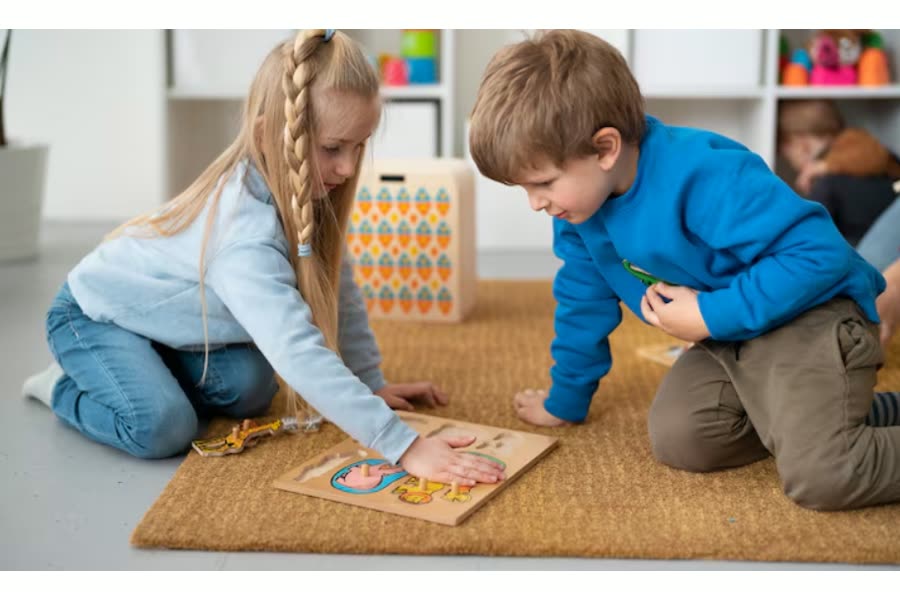
These spaces help children become more independent because they can make choices and take responsibility for their activities. At the same time, shared learning areas encourage conversation and cooperation, allowing children to learn from one another.
The Changing Role of Teachers in the Classroom
In a Reggio Emilia-inspired preschool, teachers do more than explain lessons or give instructions. They act as guides, observers, and learning partners who help children develop their interests. Their role involves understanding what children are curious about and finding meaningful ways to extend those ideas.
Observation is an important part of this process. Teachers pay attention to children’s conversations, questions, play, and interactions. These observations help them understand how children think and what kind of support may encourage further learning.
Instead of immediately providing answers, educators often use open-ended questions that invite children to explain their ideas. A teacher might ask why a particular object floats or how a structure could be made stronger. These conversations encourage children to think carefully, test possibilities, and consider different explanations.
Educators also reflect on their teaching practices and adjust activities based on what they observe. This flexible approach makes learning more responsive to children’s individual interests and developmental needs.
Learning Through Long-Term Projects
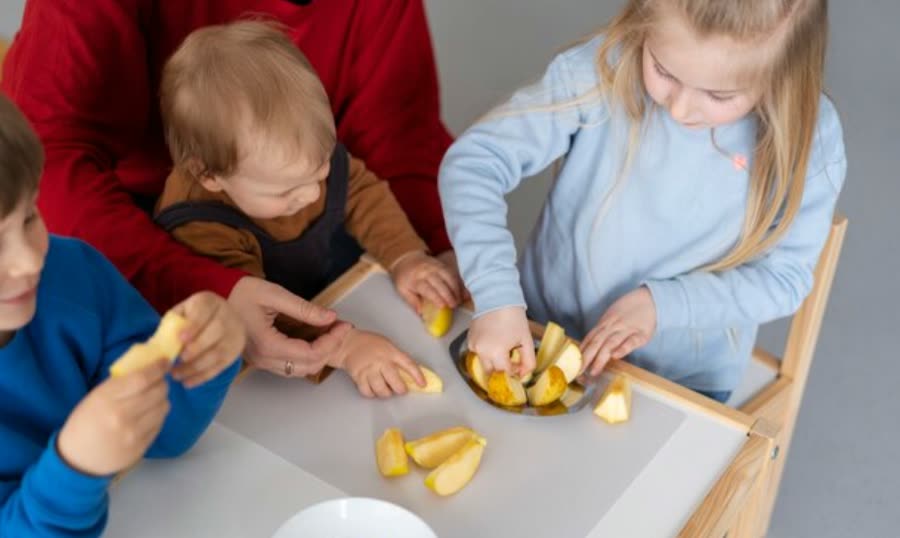
Project-based learning is another important part of the Reggio Emilia philosophy. Rather than moving quickly from one unrelated activity to another, children may explore a particular topic over an extended period. The subject often develops from something they notice, experience, or become curious about.
For example, an interest in insects may lead to conversations about where insects live, how they move, and what role they play in nature. Children might observe insects outdoors, look at pictures, create drawings, build models, or share their discoveries with classmates. Each activity adds another layer to their understanding.
These projects encourage children to investigate questions rather than simply memorise information. They also provide opportunities to practise communication, cooperation, observation, and problem-solving. Since children contribute ideas throughout the process, they can feel a stronger connection to what they are learning.
Projects may change direction as new questions emerge. This flexibility is an important feature of the approach because it allows learning to develop naturally instead of following a completely fixed plan.
The Value of Documentation and Reflection
Documentation helps educators make children’s learning visible. In Reggio Emilia-inspired classrooms, teachers may record activities through photographs, written observations, videos, children’s drawings, and examples of completed work. These records show how ideas develop and how children approach different challenges.
Documentation is not simply a collection of classroom photographs. It helps teachers understand the learning process and decide what experiences might be useful next. By reviewing children’s conversations and work, educators can identify emerging interests and areas where additional support may be needed.
Children can also revisit their earlier projects and reflect on what they have learned. Looking at previous drawings or constructions may help them notice changes in their thinking and recognise how their ideas have developed.
Parents benefit from documentation as well. It gives families a clearer understanding of what happens during the school day and allows them to see the thinking and effort behind their children’s activities. This creates more opportunities for meaningful conversations between families and educators.
Building Strong Partnerships with Families
Family involvement is an important part of the Reggio Emilia philosophy. Parents are viewed as partners in their children’s education, not simply as people who receive updates from the school. Their knowledge of their child’s interests, personality, routines, and experiences can help teachers create more meaningful learning opportunities.
Regular communication helps educators and families share observations and discuss a child’s progress. Parents may also contribute ideas, experiences, or materials that connect classroom projects with the wider community.
This relationship creates a stronger connection between home and school. When children experience consistent encouragement from the adults around them, they may feel more comfortable expressing themselves and exploring unfamiliar ideas.
Bringing Reggio Emilia Principles into Modern Preschool Education
Although the approach began in Italy, its principles continue to influence early childhood education internationally. Many schools incorporate Reggio-inspired practices into their programmes because of their focus on creativity, collaboration, exploration, and individual expression.
EtonHouse is among the educational providers associated with the Reggio Emilia philosophy. Its approach reflects the value of creating learning environments where children can investigate their interests and develop understanding through meaningful experiences. For parents considering a school, it is useful to explore how these principles are reflected in everyday classroom activities, teacher interactions, and learning spaces.
It is also important to remember that schools may interpret and adapt Reggio Emilia principles differently. Parents should look beyond the name of an educational approach and understand how a centre applies its philosophy in practice.
Encouraging a Lifelong Interest in Learning
The Reggio Emilia approach offers a different perspective on what early education can look like. By treating children as active participants in their development, it gives them opportunities to ask questions, explore possibilities, and communicate their ideas in different ways.
Through supportive teachers, thoughtfully designed environments, long-term projects, and strong family partnerships, children can develop confidence while building important early skills. The approach does not focus only on what children know but also on how they discover, investigate, and understand the world around them.
For families exploring preschool options, understanding these principles can help them recognise the value of a learning environment that respects children’s curiosity and individual development. A positive early educational experience can encourage children to become more confident, creative, and enthusiastic learners as they move into the next stages of their education.