Wave pools have become major attractions in water parks, resorts, hotels, and recreational centres. They bring the excitement of ocean waves into controlled environments, allowing visitors to enjoy water activities without travelling to the coast. Some facilities create gentle waves for families and casual swimmers, while others produce stronger and more consistent waves for surfing practice. Behind these experiences is a combination of specialised machinery, water management systems, and carefully designed technology.
The development of modern Wave Pool Equipment & Manufacturer solutions has made it possible to create different wave experiences based on the needs of each facility. Manufacturers work with engineers and project developers to design equipment that can generate controlled water movement while supporting reliable operation and visitor safety. From the initial planning stage to installation and maintenance, every part of the system contributes to the overall performance of the attraction.
The Development of Modern Wave Pool Technology
Wave pools have been around for decades, but the technology used to create artificial waves has changed considerably. Earlier systems relied on relatively simple mechanical methods to move water and produce wave patterns. These early designs helped establish the foundation for the larger and more advanced attractions found in modern water parks.
Today’s wave pools can create different wave sizes, rhythms, and patterns depending on their equipment and design. Some are intended for relaxed recreational swimming, while others are built to support surfing activities. This development has expanded the role of wave pools beyond ordinary swimming areas, making them an important feature of many entertainment destinations.
Modern manufacturers must consider more than the ability to generate waves. Equipment needs to work with the pool’s dimensions, water volume, circulation system, and expected visitor numbers. The design must also account for operating costs, maintenance access, and the type of experience the facility wants to provide.
Understanding the Main Wave Generation Systems
Wave generation equipment is the central part of a wave pool. It determines how water moves and influences the size, frequency, and strength of the waves. Different technologies can be used depending on the project’s requirements, available space, and intended activities.
Pneumatic systems use controlled air pressure to move water and create waves. Air is pushed into or released from specially designed chambers, causing changes in the water level that produce wave movement. These systems can be configured to create different wave patterns and are used in various types of aquatic attractions.
Mechanical systems use moving components to displace water. Depending on the design, these may include pistons, plungers, or other specialised mechanisms that push water through a controlled movement. Their performance depends on accurate engineering, proper installation, and regular inspection of mechanical parts.
Each technology has its own operating requirements. Developers need to compare equipment performance, energy use, maintenance needs, and suitability for the intended wave experience. Selecting the right system early in the planning process helps ensure that the finished attraction meets the facility’s goals.
How Control Systems Improve Wave Performance
Modern wave pools rely on control systems to manage the operation of their equipment. These systems allow operators to adjust how waves are produced and coordinate different parts of the machinery. Depending on the installed technology, settings may control wave height, timing, frequency, and operating sequences.
This flexibility is useful for facilities that serve visitors with different interests and skill levels. A water park may want gentle wave patterns during family swimming hours and stronger waves during designated activities. A surfing facility may require specific wave conditions to support training or recreational sessions.
Automated controls can also help operators monitor equipment performance. Sensors and monitoring devices may provide information about pressure, water levels, motor activity, and other operating conditions. If readings move outside expected ranges, staff can investigate and make adjustments.
Although automation can improve control and consistency, trained personnel remain important. Operators need to understand the equipment, follow established procedures, and respond appropriately when maintenance or safety concerns arise.
Maintaining Clean and Balanced Pool Water
Water quality is one of the most important responsibilities in wave pool operation. Since many visitors use the same body of water throughout the day, effective filtration and treatment systems are essential for maintaining suitable swimming conditions. For more on a related topic, you may find our article on luxurious hospitality and entertainment in Paranaque, Manila useful.
Filtration equipment removes particles and other unwanted materials from the water. Depending on the facility’s design, the treatment process may involve different filtration stages, circulation pumps, and disinfection methods. Water testing is also necessary to monitor conditions such as pH and disinfectant levels.
Wave generation can create additional movement and circulation challenges compared with ordinary swimming pools. The filtration system must therefore be planned around the pool’s size, expected visitor load, and operating schedule. Properly designed circulation helps distribute treated water throughout the attraction.
Regular monitoring and equipment servicing are equally important. Filters need cleaning or replacement when required, while pumps and treatment equipment should be inspected according to manufacturer recommendations. These measures help maintain water quality and support reliable daily operation.
Energy Efficiency and Environmental Responsibility
Wave pools require energy to operate pumps, wave generators, filtration equipment, and other supporting systems. For large facilities, these costs can become a significant part of the operating budget. Manufacturers are therefore paying greater attention to equipment efficiency and resource management.
Modern pump designs and properly selected motors can help reduce unnecessary energy consumption. Automated controls may also allow equipment to operate according to actual demand rather than running at full capacity at all times. The benefits depend on the system design and how the facility manages its operations.
Water conservation is another important consideration. Effective filtration and treatment systems allow facilities to maintain and reuse water rather than relying on frequent replacement. Developers may also consider efficient plumbing layouts and suitable equipment to reduce losses during normal operation.
Environmental planning should begin before construction. The location, available water resources, drainage conditions, and expected energy requirements all influence the project’s overall impact. By considering these factors early, developers can make more informed decisions about equipment and long-term operating costs.
Safety Features in Modern Wave Pools
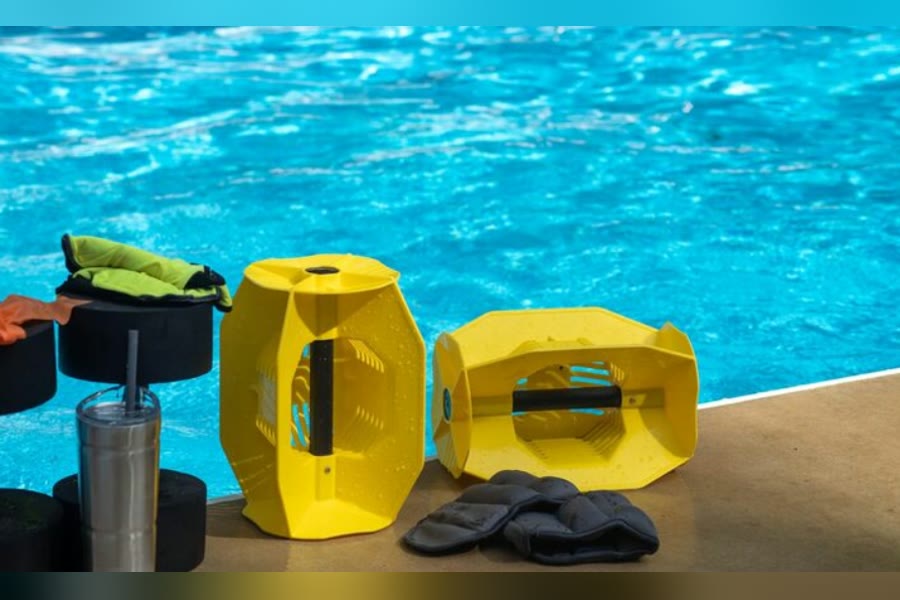
Wave pools create changing water conditions, so safety must be considered throughout the design, installation, and operating stages. The layout should account for different swimming abilities, visitor movement, and the specific wave patterns the equipment will produce.
Pool depth, entry and exit points, boundaries between activity areas, and access for emergency personnel all need careful planning. Appropriate signage and clearly communicated operating rules help visitors understand which areas are suitable for their abilities. Slip-resistant surfaces around the pool can also help reduce the risk of falls.
Qualified lifeguards and trained operating staff play an essential role in maintaining a safe environment. Their responsibilities may include monitoring swimmers, controlling access to certain areas, and responding to emergencies. Safety equipment and emergency procedures should be appropriate for the facility and its local requirements.
The machinery itself also requires regular inspection. Wave generators, electrical components, pumps, and control systems must be maintained according to technical specifications. Before a new attraction opens, the equipment should undergo suitable testing and commissioning to confirm that it operates as intended.
Customising Wave Pools for Different Facilities
Not every wave pool needs the same equipment or layout. A small indoor facility may require a different system from a large outdoor water park or a dedicated surfing destination. Manufacturers must consider the available space, budget, target visitors, and type of recreational experience when developing a solution.
Family-oriented facilities may focus on gentle waves, accessible entry points, and surrounding amenities. Larger attractions may include multiple wave settings and designated areas for different activities. Surfing facilities, meanwhile, may need equipment capable of producing more consistent wave patterns suited to their intended use.
Customisation also involves the appearance of the attraction. Landscaping, lighting, themed structures, and surrounding facilities can help create an environment that fits the overall identity of a resort or water park.
The Economic Value of Investing in Wave Pool Equipment
A well-designed wave pool can become one of the main attractions of a leisure destination. It may encourage more visitors to choose a water park or resort and give existing guests another reason to extend their stay. This can support revenue from admission fees, accommodation, food services, and other activities.
Construction and operation can also create employment opportunities for engineers, equipment suppliers, contractors, lifeguards, technicians, and customer service staff. In destinations that attract tourists, a successful aquatic attraction may contribute to wider business activity.
However, the financial benefits depend on visitor demand, construction expenses, energy use, maintenance costs, and the facility’s management. Investing in suitable equipment and planning for long-term operation can help developers make more sustainable business decisions.
What the Future Holds for Wave Pool Innovation
Wave pool technology will likely continue to develop as manufacturers explore better ways to control water movement, improve energy efficiency, and create more engaging experiences. Automation and advanced monitoring systems may provide operators with greater insight into equipment performance and operating conditions.
Artificial intelligence and machine learning could also support more advanced control systems in the future, although their practical use will depend on cost, reliability, and the specific needs of each project. New materials and improved mechanical designs may offer further opportunities to simplify maintenance and improve equipment performance.
Ultimately, modern wave pools are the result of careful coordination between engineering, technology, water management, and creative design. Choosing suitable equipment and working with experienced manufacturers can help developers create attractions that meet visitor expectations while supporting safe and efficient operation. As innovation continues, wave pools are set to remain an important part of the recreational industry.