Orthodontic treatment has developed considerably over the years, giving patients more options for improving the alignment of their teeth. Traditional metal braces remain an effective solution for many dental concerns, but newer alternatives have made treatment more flexible and less noticeable. One option gaining attention is clear aligner therapy, which uses transparent, removable appliances to gradually move teeth into better positions.
The growing interest in clear aligners reflects a demand for orthodontic solutions that fit more easily into modern lifestyles. Many adults and teenagers want to improve their smiles without wearing noticeable metal brackets and wires. Clear aligners offer an alternative that combines digital treatment planning, customised appliances, and greater convenience during everyday activities. Patients considering orthodontic treatment can exploredePacific Dental’s clear aligners in Singapore to learn more about available options for improving their dental alignment.
What Are Clear Aligners and How Do They Work?
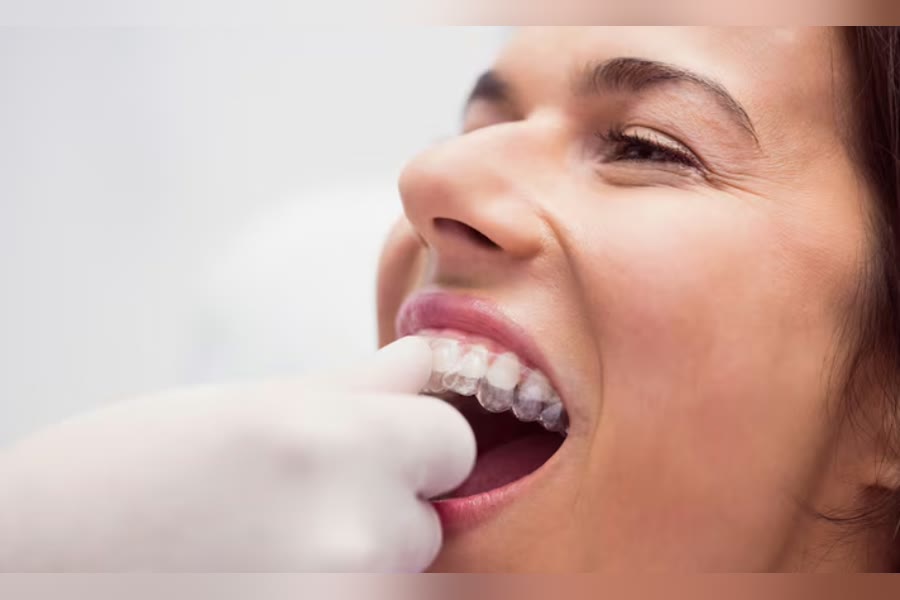
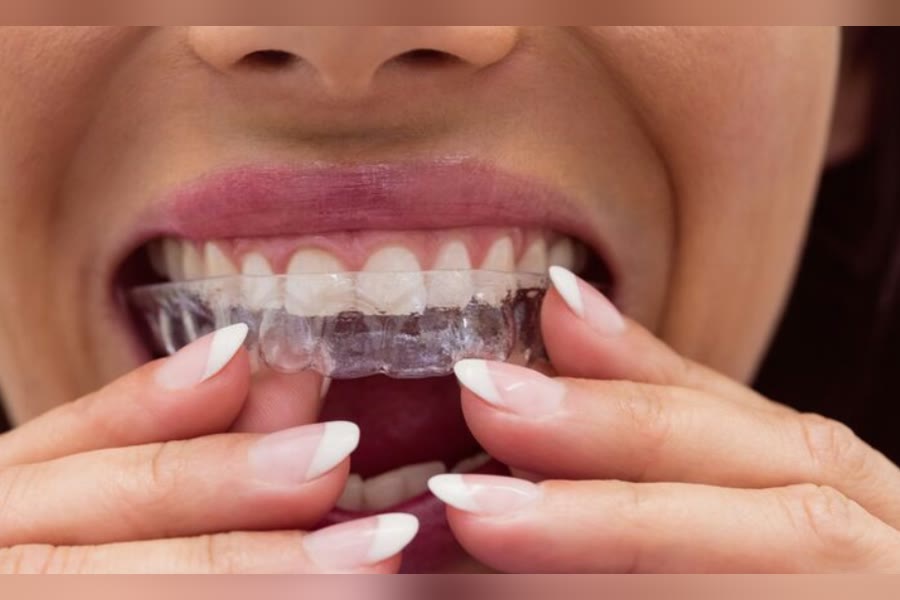
Clear aligners are removable orthodontic appliances made from specially designed, transparent plastic materials. Each aligner fits over the teeth and applies controlled pressure to guide selected teeth towards planned positions. Rather than using brackets and wires, treatment involves wearing a sequence of customised trays that gradually move the teeth over time.
Each set is designed to make specific adjustments. Patients usually change to the next aligner according to a schedule provided by their dental professional. The timing can vary depending on the treatment plan, the type of aligner system, and how the teeth respond to movement.
Because the appliances are transparent, they are generally less noticeable than traditional braces. Their removable design also allows patients to take them out when eating, drinking anything other than water, and cleaning their teeth. However, they must still be worn consistently for the treatment to progress as planned.
The Role of Digital Technology in Treatment Planning
Digital technology has become an important part of modern clear aligner treatment. Before creating the appliances, a dental professional examines the patient’s teeth, gums, and bite to determine whether aligners are suitable. Digital scans may then be used to produce a detailed three-dimensional model of the mouth.
This model helps the dental team plan how individual teeth should move throughout treatment. It can also provide a visual representation of the proposed changes, allowing patients to better understand the process. However, a digital simulation is a planning tool rather than a guarantee of the exact final result.
Once the treatment plan has been reviewed and approved, the information is used to manufacture a series of aligners. Each tray is designed for a particular stage of tooth movement. Regular dental appointments allow the professional to check progress, assess oral health, and determine whether the treatment is proceeding as expected.
Why More Patients Are Choosing Clear Aligners
One of the biggest attractions of clear aligners is their discreet appearance. Since the trays are made from transparent material, they are generally less visible when worn. This can be appealing to adults who work in professional environments, attend regular social activities, or simply prefer a less noticeable orthodontic option.
Comfort is another reason for their popularity. Clear aligners are custom-made to fit the patient’s teeth and do not use the metal brackets and wires associated with conventional braces. Some pressure or temporary discomfort is still normal when beginning a new stage because the appliances are designed to move teeth. The level of discomfort varies between individuals. For more on a related topic, you may find our article on visiting a medical aesthetic clinic in Singapore useful.
Their removable design also provides flexibility. Patients can take out their aligners during meals, which means they do not need to avoid certain foods because of fixed orthodontic components. This can make eating more straightforward, provided the trays are cleaned and returned according to the dentist’s instructions.
Maintaining Oral Hygiene During Treatment
Good oral hygiene is essential throughout orthodontic treatment. One advantage of clear aligners is that patients can remove them before brushing and flossing. This makes it easier to clean the surfaces of the teeth and reach areas that may be more difficult to access when wearing fixed braces.
However, removable appliances also require regular care. Aligners should be cleaned according to the manufacturer’s and dental professional’s instructions to help prevent staining, unpleasant odours, and the buildup of bacteria. Patients should avoid eating or drinking sugary or coloured beverages while wearing their trays, as these can contribute to dental problems or affect the appearance of the material.
Brushing before putting the aligners back in is also important, particularly after meals. Food particles trapped between the teeth and trays can increase the risk of tooth decay and other oral health concerns. Maintaining regular dental checkups helps ensure that both the teeth and gums remain healthy during treatment.
Are Clear Aligners Suitable for Everyone?
Although clear aligners can address many orthodontic concerns, they are not appropriate for every patient. They are commonly used for certain cases involving crowded teeth, gaps, and selected bite problems. However, the suitability of treatment depends on the severity and type of dental misalignment.
More complicated cases may require traditional braces, additional orthodontic procedures, or a combination of treatments. A professional assessment is necessary to determine which approach is likely to provide an appropriate result. Factors such as gum health, existing dental work, tooth position, and the patient’s overall oral condition may also influence the treatment plan.
Patient commitment is another important consideration. Because aligners can be removed, individuals must remember to wear them for the recommended amount of time each day. Wearing them inconsistently may affect tooth movement and delay progress. Patients who frequently forget to put their trays back in may find fixed braces more suitable for their circumstances.
Understanding Treatment Costs and Timeframes
The cost of clear aligner treatment varies depending on the complexity of the case, the number of aligners required, the treatment system, and the level of professional care involved. More extensive tooth movements may require additional stages and longer monitoring, which can influence the overall price.
Treatment duration also differs between patients. Some mild alignment concerns may be addressed in a shorter period, while more involved cases can take considerably longer. The patient’s response to treatment and consistency in wearing the aligners are important factors.
Before beginning, patients should request a clear explanation of the expected costs and what the treatment package includes. It is useful to understand whether consultations, digital scans, follow-up appointments, replacement trays, and refinements are included. Some dental practices may offer payment arrangements that help patients manage the expense over time.
Developments Shaping the Future of Clear Aligners
Clear aligner technology continues to develop through improvements in digital scanning, treatment planning, and manufacturing methods. More precise digital models may help dental professionals plan tooth movements with greater detail, while developments in aligner materials may improve fit, durability, and overall comfort.
Digital monitoring tools are also changing how some patients follow their treatment progress. Depending on the provider and system, photographs or other digital records may support communication between appointments. These tools do not replace professional examinations, but they can help make treatment management more convenient.
As these technologies improve, clear aligners may become suitable for a wider range of orthodontic needs. However, clinical assessment and professional supervision will remain essential to achieving safe and appropriate results.
Making an Informed Decision About Your Smile
Clear aligners have introduced a more discreet and flexible option for people who want to improve their dental alignment. Their transparent appearance, removable design, and digitally planned treatment process make them appealing to many patients. At the same time, they require consistent use, proper cleaning, and regular professional monitoring.
Choosing an orthodontic treatment should always begin with an assessment of individual dental needs. By discussing available options, expected results, costs, and treatment responsibilities with a qualified dental professional, patients can make decisions that suit their circumstances. With the right planning and commitment, clear aligner therapy can be a practical part of achieving a healthier, more confidently aligned smile.