The eye area is one of the first places where signs of ageing often become noticeable. Loose skin around the upper eyelids, under-eye puffiness and changes in the surrounding tissues can affect the overall appearance of the face. Some people also notice that their upper eyelids look heavier over time, making them interested in treatments that create a more lifted appearance.
There are several approaches to eye lifting treatment in Singapore, ranging from non-surgical aesthetic procedures to operations performed by qualified medical professionals. Each option works differently, and the most suitable choice depends on the individual’s concerns, skin condition, medical history and expectations. Victoria Facelift provides an eye lifting treatment in Singapore with its R3 ReLift Eye Treatment, designed to care for the delicate skin around the eyes.
Understanding the differences between these treatments is a useful starting point before arranging a consultation.
What Causes Changes Around the Eyes?
The appearance of the eye area changes for several reasons. Natural ageing affects the production and structure of collagen and elastin, which help maintain skin firmness and elasticity. As these changes progress, the skin around the eyelids may become looser.
Other factors include genetics, sun exposure, lifestyle and natural differences in facial anatomy. Some people develop prominent under-eye bags because of changes in the tissues supporting the lower eyelids. Others experience upper eyelid skin laxity that creates a heavier appearance.
It is important to distinguish between loose skin, puffiness, changes in facial volume and actual eyelid drooping. These concerns do not have the same underlying causes, so they may require different approaches.
For example, excess upper eyelid skin is different from ptosis, a condition involving the muscles or structures responsible for lifting the eyelid. A cosmetic skin treatment is not necessarily suitable for correcting a functional eyelid problem. For more on a related topic, you may find our article on visiting a medical aesthetic clinic in Singapore useful.
Non-Surgical Eye Lifting Treatments
Non-surgical treatments appeal to people who want to address mild changes around the eyes without undergoing an operation. Depending on the technique, these procedures aim to improve skin texture, firmness or the appearance of volume.
Radiofrequency Treatments
Radiofrequency treatments use controlled energy to heat targeted tissue. Some devices are designed to stimulate changes in collagen and improve the appearance of skin firmness over time.
They are sometimes considered for mild skin laxity around the eye area. However, results depend on the device, treatment settings and individual suitability. Improvement is generally more limited than what surgery can achieve when there is significant excess skin.
Ultrasound-Based Treatments
Certain ultrasound technologies deliver focused energy to deeper tissue layers. They are used in selected aesthetic applications to encourage collagen-related changes and improve skin firmness.
Treatment around the eyes requires particular care because the area contains delicate structures. Not every ultrasound device or treatment setting is appropriate for the eyelids. A qualified practitioner should assess the intended treatment area and explain the possible risks.
Injectable Treatments
Injectable procedures may be considered when the concern involves volume loss or specific changes in the surrounding facial tissues. Dermal fillers, for example, are sometimes used to address selected areas around the eyes.
However, fillers do not remove excess eyelid skin or correct every form of under-eye puffiness. The eye region also has complex blood vessels, making injection-related complications particularly important to discuss. Treatment should only be considered after a thorough assessment by an appropriately qualified medical practitioner.
Surgical Eye Lifting Procedures
When excess skin or structural changes are more pronounced, surgery might be a more appropriate option. Surgical treatment is generally more involved than non-surgical procedures and requires careful assessment, preparation and recovery.
Upper Blepharoplasty
Upper blepharoplasty, commonly known as upper eyelid surgery, involves removing or repositioning selected tissue to address excess skin and, where appropriate, fat around the upper eyelids.
It is often considered by people whose upper eyelid skin has become noticeably loose. In some cases, excess skin can affect the upper field of vision, making an assessment of eyelid function important.
The procedure is not suitable for everyone. A surgeon needs to examine the eyelids, assess the surrounding anatomy and discuss the expected outcome, possible scarring and recovery period.
Lower Blepharoplasty
Lower blepharoplasty focuses on the lower eyelids. It may involve removing or repositioning fat and addressing excess skin, depending on the individual’s anatomy.
The procedure is sometimes considered for prominent under-eye bags or certain forms of lower eyelid skin laxity. However, dark circles and hollowness do not always result from excess fat or loose skin. These concerns might have other causes and require a different approach.
A proper assessment helps determine whether surgery is likely to address the concern.
How to Decide Which Treatment Is Suitable
The best approach depends on what is causing the change in appearance. Someone with mild skin laxity might be considered for a non-surgical procedure, while someone with significant excess skin could require a surgical assessment.
Age alone should not determine treatment suitability. Skin condition, eyelid anatomy, general health and personal expectations are more relevant.
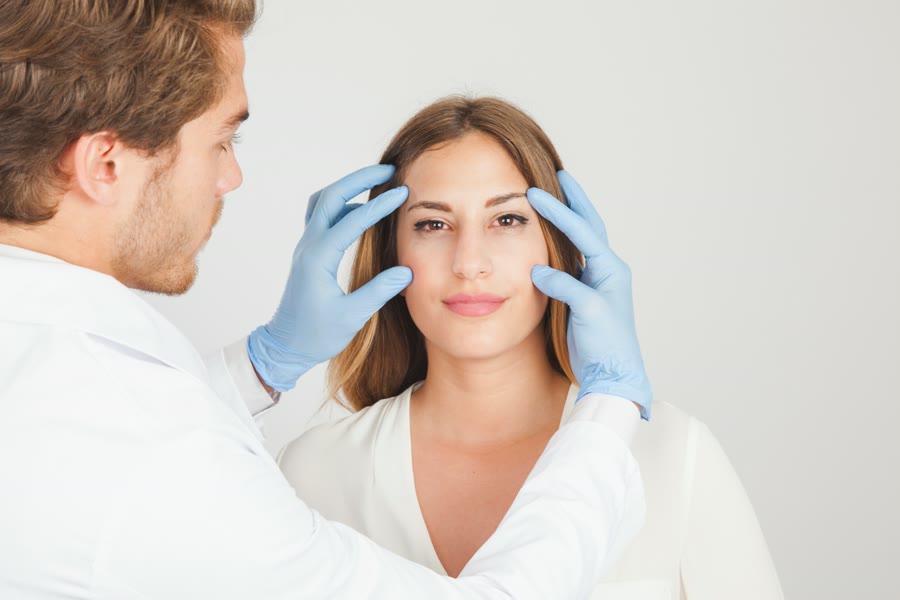
During a consultation, explain what concerns you most. It is helpful to distinguish whether the issue involves heavy upper eyelids, under-eye bags, wrinkles, hollowness or drooping. These details help the practitioner assess the likely cause rather than recommend a procedure based solely on appearance.
You should also ask what level of improvement is realistic, how long the results might last and whether maintenance treatments are likely to be needed. No procedure should be presented as guaranteeing a particular cosmetic outcome.
Risks and Recovery to Consider
Every aesthetic procedure carries potential risks. Non-surgical treatments can cause temporary redness, swelling, tenderness or bruising. More serious complications are possible depending on the device, technique and treatment area.
Surgical procedures involve additional considerations, including bleeding, infection, scarring, asymmetry, dry eyes and changes in eyelid position. Rare but serious complications affecting vision also need to be discussed.
Recovery varies according to the procedure and individual circumstances. Non-surgical treatments generally involve less downtime, although temporary side effects can still occur. Surgical recovery takes longer and requires proper aftercare and follow-up appointments.
Before proceeding, ask about preparation, restrictions after treatment, warning signs and whom to contact if complications develop. Do not assume that a procedure is risk-free simply because it is commonly performed.
Final Thoughts
Eye lifting treatments range from non-surgical procedures that target mild skin changes to surgical options that address excess tissue and structural concerns. Each approach has different benefits, limitations and recovery requirements.
The right treatment depends on the cause of the concern, the condition of the eyelids and the individual’s health and expectations. A consultation with an appropriately qualified medical practitioner is essential before deciding which option is suitable.