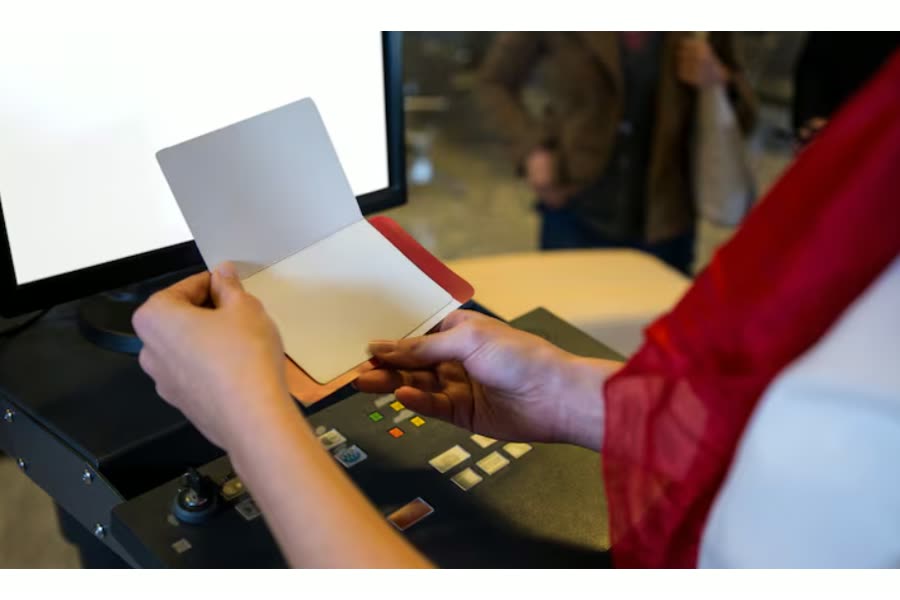
Printed materials continue to play an important role in branding, packaging, publishing, and product presentation. Although digital media has changed how businesses communicate with customers, physical products still offer opportunities to create a lasting impression. One technique that helps printed materials stand out is foil stamping, which adds a metallic or coloured finish to selected areas of a design. A hot foil machine solutions makes this process possible by combining heat and pressure to transfer foil onto different surfaces with accuracy and consistency.
The appeal of foil stamping comes from its ability to add visual detail without changing the entire design. A company can use it to highlight a logo, emphasise a product name, or add decorative elements to packaging. Gold, silver, and other foil colours can create a distinctive appearance, while textured finishes provide another way to make printed items more noticeable.
As customers pay closer attention to product presentation, businesses are exploring printing methods that combine quality, creativity, and practical production requirements. Hot foil stamping remains a valuable option because it can be used for both decorative and branding purposes.
Understanding How Hot Foil Stamping Works
Hot foil stamping uses a heated metal die, pressure, and a special foil film to transfer a design onto a material. The process usually begins with preparing a die containing the required text, logo, or artwork. The die is installed in the machine and heated to a temperature suitable for the selected foil and substrate.
During production, the foil is positioned between the heated die and the material being stamped. When pressure is applied, the heat activates the foil’s release layer, allowing the intended design to transfer onto the surface. The result is a clearly defined image with a reflective or coloured finish.
The quality of the finished product depends on several factors, including temperature, pressure, stamping time, foil type, and material thickness. These settings need to be adjusted according to the job. If the temperature or pressure is too low, the foil may not transfer properly. Excessive heat or pressure can also affect the appearance of the material.
Proper setup is therefore essential. Operators need to understand how different materials respond to heat and pressure to achieve clean edges and consistent results.
Where Businesses Use Hot Foil Printing
Packaging is one of the most common applications of hot foil stamping. Product boxes, labels, paper bags, and presentation packaging often use foil details to make brand names and logos more visible. In competitive retail environments, these small design features can help products attract attention and create a more recognisable brand identity. For related reading, see rethinking digital design.
The publishing industry also uses foil stamping for book covers, journals, planners, and special editions. Metallic titles and decorative details can give publications a distinctive finish, particularly when combined with textured paper, embossing, or other printing techniques.
In the fashion and accessories industry, foil stamping is used on product labels, tags, packaging, and selected materials. Businesses may apply foil to leather goods, synthetic materials, or other suitable surfaces, depending on the equipment and foil specifications. Invitations, certificates, business cards, and promotional materials are also popular applications.
The range of possible uses makes foil stamping useful for companies that want to create consistent branding across different printed products. However, the material and finish must be tested before full production to ensure that the foil adheres properly.
Modern Features That Improve Production
Advances in machine design have made hot foil stamping more manageable for modern print businesses. Many machines now include digital controls that allow operators to adjust important settings more accurately. Temperature regulation, pressure control, and timing functions help maintain consistent results across production runs.
Some equipment also offers automatic feeding, alignment assistance, and other features that reduce repetitive manual work. These improvements can help increase output and minimise mistakes, especially when businesses handle larger orders or repeat jobs.
Another development is the combination of foil stamping with other finishing methods. Depending on the machine, businesses may use foil alongside embossing, debossing, or conventional printing processes. Embossing raises selected areas of a design, while debossing creates an indented effect. When combined with foil, these techniques can produce a more noticeable visual and tactile result.
Digital printing has also influenced the development of finishing technology. Certain digital foil systems can apply decorative effects without requiring a traditional metal die for every design. This can be useful for short production runs, personalised materials, and projects that require frequent artwork changes. Traditional hot foil stamping, however, remains suitable for many established production processes.
Environmental Considerations in Foil Stamping
Sustainability is becoming an important consideration for businesses involved in printing and packaging. Like other finishing methods, foil stamping creates environmental challenges related to material use, energy consumption, and production waste.
Companies can reduce unnecessary waste by planning production carefully and checking machine settings before starting large jobs. Accurate alignment and proper temperature control can help prevent rejected materials and repeated printing. Producing only the required quantity can also reduce unused stock, particularly for customised packaging and promotional materials.
The choice of foil and substrate matters as well. Some suppliers offer products designed with environmental considerations in mind, although their suitability depends on the application and local recycling facilities. Foil-stamped materials may not always be accepted in standard paper recycling streams, so businesses should check the requirements for the specific materials they use.
Improving sustainability does not necessarily mean changing the entire printing process. Better production planning, responsible material selection, and efficient machine operation can all contribute to reducing waste.
Costs, Skills, and Production Challenges
Although hot foil stamping offers several benefits, businesses should consider its costs and operating requirements before investing in equipment. The initial purchase price can be significant, particularly for larger or more advanced machines. Additional expenses may include dies, foil rolls, replacement parts, maintenance, and operator training.
Traditional stamping also requires careful preparation. The design must be converted into a suitable die, and the die needs to be produced with the correct specifications. Mistakes during this stage can affect the final appearance and lead to wasted materials.
Machine operators must also learn how to adjust settings for different substrates and foil types. Paper, cardboard, leather, and synthetic materials do not necessarily respond to the same temperature and pressure levels. Testing samples before full production helps identify problems early and reduces the risk of costly mistakes.
For businesses with frequent foil-stamping requirements, the investment may be worthwhile over time. Smaller companies or those handling occasional projects may find it more practical to outsource the work until demand justifies purchasing their own equipment.
What the Future Holds for Hot Foil Technology
Hot foil stamping continues to develop as printing businesses look for faster, more flexible, and more precise finishing methods. Digital foiling is likely to remain an area of interest because it can support customised designs and shorter production runs. It may also help businesses reduce some of the preparation requirements associated with traditional die-based stamping.
Automation is another area that could influence future equipment. Improved controls, monitoring systems, and production software may help operators maintain consistent settings and identify potential problems earlier. These features could make the process more efficient, especially in facilities handling a wide range of jobs.
New foil finishes and materials may also expand creative possibilities. Manufacturers continue to explore different colours, textures, and effects that can be used across packaging, publishing, and product branding. The availability of these options will depend on material compatibility and production requirements.
The Lasting Value of Hot Foil Stamping
Hot foil stamping has maintained its place in modern printing because it offers a combination of visual appeal, practical branding opportunities, and flexible applications. From packaging and book covers to invitations and product labels, it allows businesses to add distinctive details to printed materials.
As equipment becomes more advanced, companies can benefit from improved controls, better production efficiency, and additional finishing options. Choosing the right machine still requires careful consideration of costs, materials, operator skills, and expected production volume. With proper planning and maintenance, hot foil technology can remain a useful part of a printing operation and help businesses produce professional-looking materials that leave a strong impression.