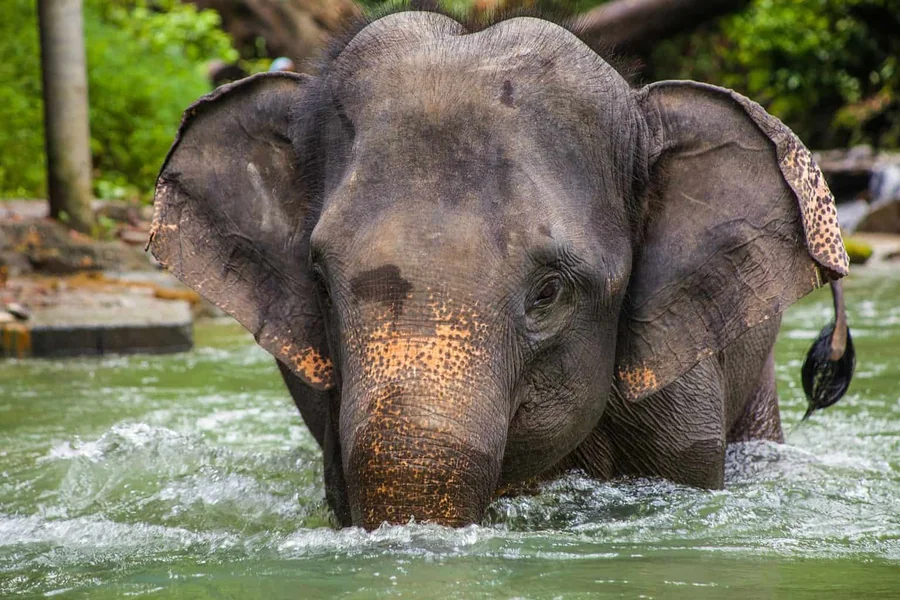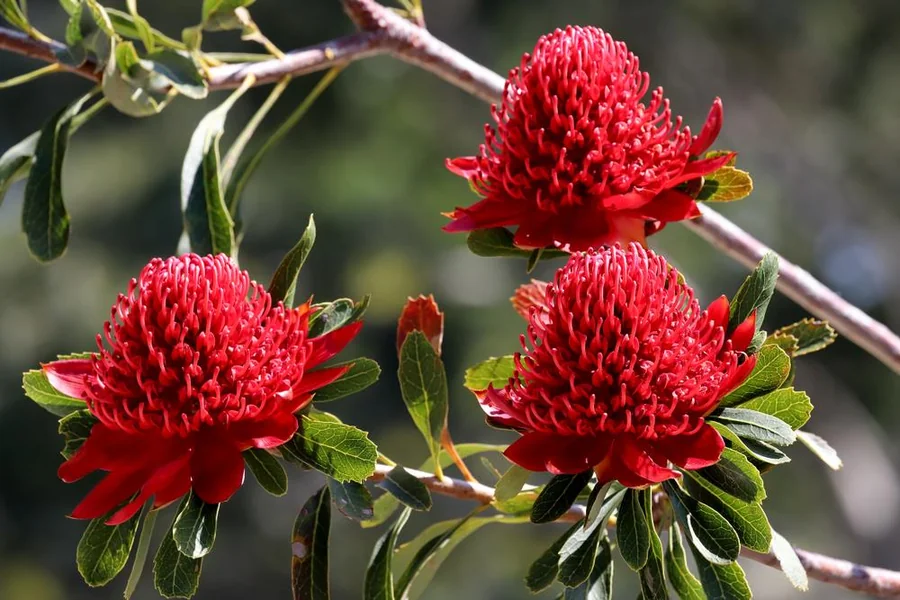
The phrase waratah animal can cause confusion as “waratah” is primarily associated with the famous Australian flower, the waratah. However, there are many people that look up for the term “waratah animal” to know about animals related to the waratah regions and wildlife native to Australia.
The waratah plant is found in bushlands and forests in Australia, where many native animals reside. Due to this association, the term waratah animal is frequently used in the Internet when referring to wildlife in the vicinity of waratah habitats. Birds, possums, insects, wallabies and other small mammals that come into contact with the waratah plant.
The waratah animal topic has grown in popularity among those who seek to know more about how Australian ecosystems are related to one another, whether it be to wildlife enthusiasts, students, or nature readers.
The Meaning Behind The Waratah Name
Waratah is derived from an aboriginal language in Australia. It is a reference to the well known bright red flowering plant throughout NSW. The flower is the most well known of the native plants in Australia.
If people use the term waratah animal they are referring to animals that occur in regions where waratah flowers grow naturally. This is a place where these animals live: they need forests for shelter and for food.
Native ecosystems depend on balance, which is important to the plant and wildlife. Birds pollinate flowers. Insects feed animals. Plants provide shelter. This natural connection is symbolized by the waratah animal idea.
This is an About-the-Waratah Animal fact table.This is a fact table of the Waratah Animal.
Quick Facts About The Waratah Anima
| Fact | Details |
| Common Connection | Australian wildlife around waratah habitats |
| Main Region | New South Wales and eastern Australia |
| Habitat | Forests, bushlands, and woodland areas |
| Related Wildlife | Birds, possums, insects, wallabies |
| Climate | Mild and forested environments |
| Main Food Sources | Nectar, insects, leaves, seeds |
| Ecosystem Role | Pollination and seed spreading |
| Conservation Importance | Supports biodiversity |
| Famous Plant Link | Waratah flower |
| Popular Search Topic | Australian native wildlife |
Where The Waratah Animal Lives
The waratah animal is associated with east Australia. Waratah blooms in woodlands in areas with soils that are fertile and wet. They are attractive to a variety of animals.
Animals are frequently found around the waratah plants in:
- National parks
- Forest reserves
- Bushland areas
- Mountain regions
- Woodland habitats
Waratah flowers have nectar and are particularly frequented by birds. The dense vegetation also provides cover for small mammals to hide from predators.
Waratah animal habitat is significant because it provides habitat for numerous native species simultaneously.
Animals Commonly Linked To The Waratah
There are many connections between animals and waratah environments. Some of the most common ones are listed here.
Birds
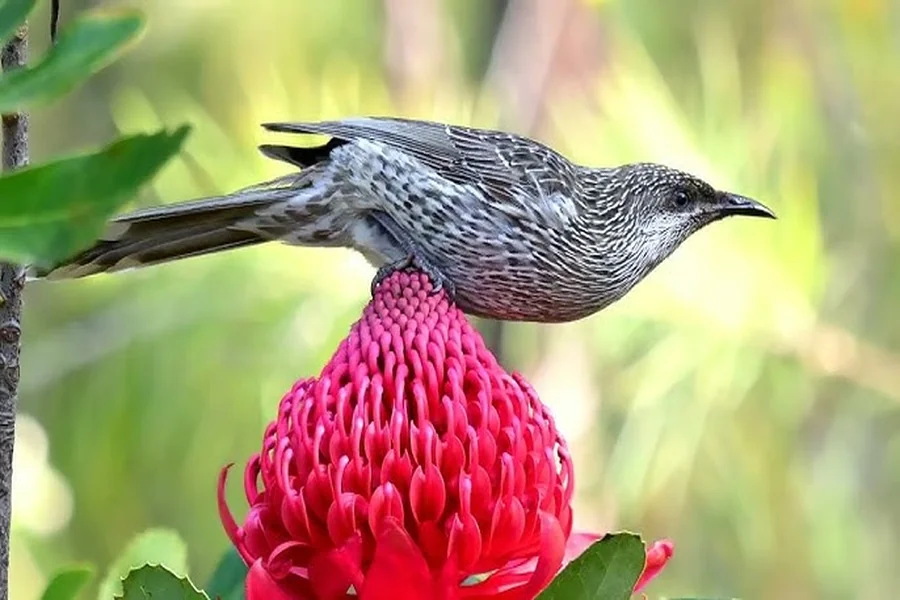
Waratah flowers are visited by honey eaters and parrots for their nectar. Pollen is spread from one flower to another by these birds.
Possums
Possums inhabit forest trees and are leaf, flower and fruit eaters. Active mainly at night time.
Insects
Warathas are important to bees, butterflies and beetles. They aid pollination and aid in the reproduction of plants.
Wallabies
In some cases, wallabies can be seen around areas of bushland where the plants and flowers of the waratah grow. They eat grasses and native plants.
All of these creatures are interdependent and play key roles in the waratah animal ecosystem.
Why The Waratah Animal Is Important
Waratah animal is an important part of healthy forests and natural systems. Each species in a habitat has a role to play.
Birds spread pollen. Insects help plants grow. Small mammals disperse seeds. These measures ensure the survival of forests.
Plants have less success reproducing when there is no native wildlife. If there are no plants, there are no animals for food or shelter. This cycle demonstrates the need for the protection of the waratah animal environment.
Australia’s unique ecosystems are hard to restore if damaged. Conservation programmes now aim to conserve forests and native species simultaneously.
Read More: Marine Iguana Fun Facts That Will Blow Your Mind
The Relationship Between Waratah Flowers And Wildlife
Waratah flowers are large, bright and profusely nectariferous. They are more appealing to birds and insects.
The pollen on the animals’ bodies is left by the animals eating the flower. Pollination takes place naturally as they transfer to another flower.
This connection supports the lives of plants and animals. The flower is fertilized and the animals are fed.
The animal association to the waratah is a great instance of nature cooperating with nature.
Threats Facing The Waratah Animal Environment
There are various hazards to wildlife in waratah areas.
Habitat Loss
Forest areas are lost through the loss of forests to urban growth and land clearance.
Climate Change
Plants and animals have been impacted by hotter temperatures and alterations in rainfall patterns.
Wildfires
Large bushfires occur in Australia which can affect habitats and food availability.
Invasive Species
Some non-native animals may be a threat to local wildlife because of competition for territory and food.
The waratah animal environment should be protected to support native species for a long-term survival.
How Australia Protects Native Wildlife
Australia has instituted a number of conservation measures to preserve wildlife habitats associated with areas where warathed grow.
These efforts include:
- National park protection
- Wildlife rescue programs
- Forest management plans
- Native plant restoration
- Community education
Scientists and volunteers collaborate to conserve animals and native flora from continued loss.
A second benefit of the waratah animal topic is to spread awareness about Australian nature among students and travellers interested in it.
Interesting Facts About The Waratah Animal
Here are some fun facts about the waratah animal idea:
- Numerous birds can visit the flowers of Waratah in a single day.
- Insects are completely dependent on native Australian plants.
- Possums disperse seeds which is good for forests.
- Native birds will forage for nectar over long distances.
- Forest ecosystems depend on pollination to survive.
- Waratah plants bloom mostly during spring.
- There are numerous Australian animals that are not naturally found anywhere else.
These facts demonstrate that native habitat is still important for wildlife survival.
Can Tourists See Waratah Wildlife?
Yes. Australian parks and reserves are popular tourist destinations where visitors can encounter native wildlife and flora.
Common destinations are take walks in the woods, wildlife parks, and botanical gardens. Spring can be a great time as the waratha blooms brightly during this season.
Birds are likely to be feeding on flowers and small animals may be seen moving through the bushland.
Waratah animal experience is a favorite of photographers and nature enthusiasts due to the striking combination of colorful plants and unusual animals.
The Future Of The Waratah Animal Habitat
Conservation and public awareness are the key to the future. Forest ecosystems must be protected carefully to maintain good health.
The younger generation are gaining more knowledge about native wildlife and biodiversity. Habitat care remains a theme in schools, wildlife groups and environmental organizations.
Conservation of the waratah animal environment is conservation of the forest, flowers, insects, birds and mammals.
There are ways to help, too, with small actions. It makes a difference to plant native species, reduce pollution, and help the conservation groups.
Read More: Trypophobia Meaning
Conclusion
The waratah animal topic is directly linked to Australia’s native forests and wildlife. Apart from waratah being a well-known flower, many animals depend on the waratah habitats to survive.
These ecosystems are important for birds, insects, possums and wallabies. Their relationship with indigenous flora exemplifies the harmony of nature through mutual support.
When people learn about how the waratah animal relates to protecting the natural environments, it is a step closer to understanding this.When they learn about the waratah animal and how it relates to protecting the natural environments, then it is a step further towards understanding this. All species are important and healthy forests support healthy wildlife.
FAQs:
What Is A Waratah Animal?
Typically, it is used to describe wild animals that are associated with waratah plant habitats in Australia.
Is The Waratah An Actual Animal?
Yes, Waratah is primarily an Australian plant, although there are a large number of animals who live around it.
What do they love to come to Waratah flowers?
Flowers of warathas are visited by birds, bees, butterflies and insects for nectar.
Has National and State government protected the habitat of the Waratah?
Yes. Protecting waratah regions and local wildlife is a function of many forests and national parks.
Do the Tourists have access to Waratah Wildlife?
Yes. There are lots of parks and nature reserves in Australia where you can see the animals.
Why is The Waratah important?
The waratah is pollinated and facilitates healthy ecosystem for native animals.