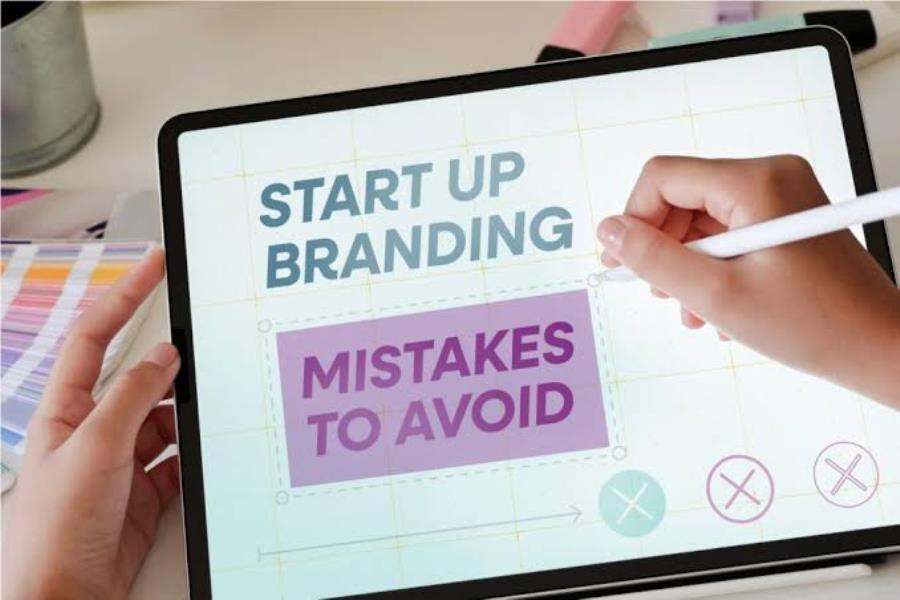
Here’s something nobody tells first-time founders: your product can be great and your branding can still be sinking you. Startup branding mistakes rarely look dramatic from the inside. They are similar to a logo that felt pretty good when it was created, a tagline that was comprehensible to everyone in the office, a website that “just needs a few tweaks. Meanwhile, a stranger visits your main web page, confuses you for eight seconds and leaves. That is the whole story, as the majority of the time.
It’s not about having to hire a big agency or choosing the latest font. It’s all about bridging the gap between what you think your brand says and what your brand actually says to a person who is unfamiliar with the brand.
What Actually Counts as a Branding Mistake?
Not every rough edge is a crisis. A slightly outdated color palette won’t sink you. But a mistake becomes a real problem when it creates doubt — when someone looks at your brand and isn’t sure what you do, who it’s for, or why they should care. That doubt is expensive. It shows up in bounce rates, in pitch meetings that go nowhere, in customers who quietly pick a competitor instead.
Startup Branding Mistakes: Quick Answer
Startup branding mistakes are avoidable missteps in how a young company presents itself — things like inconsistent visuals, vague messaging, copying competitors, or skipping brand strategy before launch. Left unfixed, they weaken trust and slow down customer growth.
Read Also: Best Invoicing Software for Freelancers: Get Paid Faster in 2026
Fact Table: Branding Mistakes at a Glance
| Mistake | What It Looks Like | Quick Fix |
| No brand strategy | Logo made before audience is defined | Define audience and voice first |
| Copying competitors | Same colors, same layout as rivals | Find a messaging gap and own it |
| Inconsistent visuals | Different logo versions across platforms | Build a one-page brand guide |
| Overly clever messaging | Tagline nobody can explain quickly | Lead with plain, direct language |
| Jargon-heavy copy | Homepage full of internal terms | Use language pulled from reviews |
| Static branding | Same brand kit for years, untouched | Revisit every 6 months |
| No differentiation | Brand feels interchangeable | Write one clear line on why you |
| Overdesigning early | Expensive identity before validation | Keep it simple, invest later |
| No shared voice | Inconsistent tone across the team | Write a short voice guide |
9 Branding Mistakes Startups Keep Making
1. Building the Logo Before the Strategy
This one’s almost a rite of passage. A founder gets excited, opens Canva or hires a designer, and has a logo by Friday — before anyone’s written down who the brand is actually for. The result usually looks fine and says nothing. Give strategy a week of your time before design touches anything. Who are you talking to? What’s the one thing you want them to feel?
2. Borrowing Too Much From Competitors
Studying your competitors is smart. Copying their color scheme, their layout, even their tone of voice — that’s where it goes wrong. If your brand could get mistaken for theirs at a glance, customers won’t work hard to tell you apart. They’ll just go with the name they already recognize.
3. A Brand That Looks Different Everywhere You Look
Open the Instagram, then the website, then the pitch deck. Do they feel like the same company? A lot of the time, honestly, they don’t. Different fonts creep in. The logo gets stretched or recolored depending on who’s exporting it. This kind of drift is one of the more common startup branding mistakes, and it’s also one of the easiest to fix — a single-page brand guide with your colors, fonts, and logo rules locked down solves most of it.
4. Messaging That Tries Too Hard
There’s a version of your tagline that’s clever, and there’s a version that actually tells someone what you do. Early on, you need the second one. Wordplay is fun to workshop with your co-founder at 11pm, but if a stranger needs ten seconds to figure out what you’re selling, you’ve already lost the click. Get plain and clear first. You can get clever once people already understand you.
5. Talking Like an Engineer Instead of a Customer
Founders describe their product the way they think about it — full of internal shorthand, technical terms, feature names that mean nothing outside the building. Customers describe it in plainer, messier language, usually shaped around a problem they’re having. When your copy doesn’t match how people actually talk, it feels like it’s speaking to someone else.
6. Treating the Brand Kit as a Finished Project
A lot of startups build their branding once, file it away, and never look at it again. But a brand isn’t a PDF you finish. It shifts as your audience grows and your product changes. Revisiting it every six months or so, even briefly, keeps it from quietly going stale.
7. No Real Answer to “Why You, Not Them?”
If someone swapped your brand name with a competitor’s and nobody noticed, that’s worth sitting with. This is also one of the branding mistakes that shows up in fundraising conversations — investors are listening for a clear reason you’ll win, not just a nice story.
8. Polishing Too Early
Spending real money on a highly designed identity before you’ve validated the product is a common trap. Then the market shifts, the positioning changes, and suddenly that beautiful brand doesn’t fit anymore. Keep things simple and flexible early. Invest once you know what’s actually working.
9. Letting Brand Voice Live Only in the Founder’s Head
Your brand isn’t just your homepage. It’s every support reply, every social comment, every email your team sends. If the voice only exists in your head, it splinters the moment someone else writes on the company’s behalf. A short, simple voice guide — even three words describing your tone — keeps things consistent.
Read Also: Virtual Assistant for Small Business: The Low-Cost Secret That’s Helping Owners Win Back Their Time
Why This Actually Matters
Branding is the shortcut people use to decide, in a few seconds, whether they trust you. Every one of these startup branding mistakes chips away at that shortcut a little at a time. None of them are fatal on their own. Together, though, they add up to a brand people just don’t remember — and that’s a much harder problem to fix than a logo.
Final Thoughts
None of these startup branding mistakes happen because founders don’t care. They happen because branding gets pushed to the bottom of the list — squeezed out by product, fundraising, hiring, everything that feels more urgent at the moment. That’s understandable. It’s also exactly why so many good products get overlooked.
The fix isn’t a bigger budget or a rebrand. It’s paying attention early. Get your strategy straight before the design. Say what you do in plain words. Keep your visuals consistent across every place someone might find you. None of that takes a large team or a large check — just a bit of intention before things move too fast to slow down.
FAQs:
What is the biggest branding mistake startups make?
Skipping brand strategy before designing a logo. Without clear direction, every visual and messaging choice ends up being a guess.
How do I know if my startup branding is inconsistent?
Pull up your website, social media, and pitch deck at the same time. If the colors, fonts, or tone feel different across them, that’s inconsistency.
Should a startup rebrand early or wait?
Wait until the product and audience are validated. Early rebrands often mean paying twice for an identity that doesn’t end up fitting.
Does branding really affect startup funding?
Yes. Investors look for a clear point of difference, and weak branding can read as an unclear market position.
How often should a startup update its brand?
A light check every six months works well, with bigger updates as the company scales or the positioning shifts.