Buying hearing aids is an important decision, but the cost can make the process difficult. Prices vary considerably depending on the device, technology level, design and professional services included. With several models available, it is easy to assume that a more expensive hearing aid will always provide a better experience.
That is not necessarily the case. The most suitable device depends on your hearing assessment, daily activities and personal requirements. A more affordable model might provide everything you need, while an advanced option could include features you rarely use.
When reviewing a hearing aid price list, consider the functions that improve everyday communication and make sure professional fitting and aftercare are part of your decision, especially if you are working within a budget.
Start with a Hearing Assessment
Before comparing hearing aid prices, arrange a hearing assessment with a qualified hearing care professional. The results help identify the type and degree of hearing loss and provide a basis for recommending suitable devices.
Choosing a hearing aid based on price or appearance alone can lead to unnecessary spending. A model that works well for one person might not provide the appropriate amplification or features for another.
An assessment also helps establish whether hearing aids are suitable or whether further medical evaluation is needed. Sudden hearing loss, ear pain, discharge or other unusual symptoms should be assessed by a healthcare professional rather than treated through self-selected hearing devices.
Once your hearing needs are understood, ask the provider to explain which models fall within your budget and why they are appropriate.
Focus on Essential Sound Processing
Sound processing is one of the most important features to consider. Hearing aids amplify sound, but suitable devices also need to process incoming audio according to the user’s hearing profile.
Basic models often provide essential amplification and adjustments for everyday listening. More advanced options might include additional features for managing background noise, improving speech understanding and adapting to changing environments.
If you spend most of your time in relatively quiet surroundings, a simpler device might meet your needs. People who regularly attend meetings, visit busy restaurants or participate in group conversations might benefit from more sophisticated noise management.
Ask for practical examples of how different technology levels perform. This is more useful than choosing a model simply because it has a longer feature list.
Choose a Comfortable and Practical Design
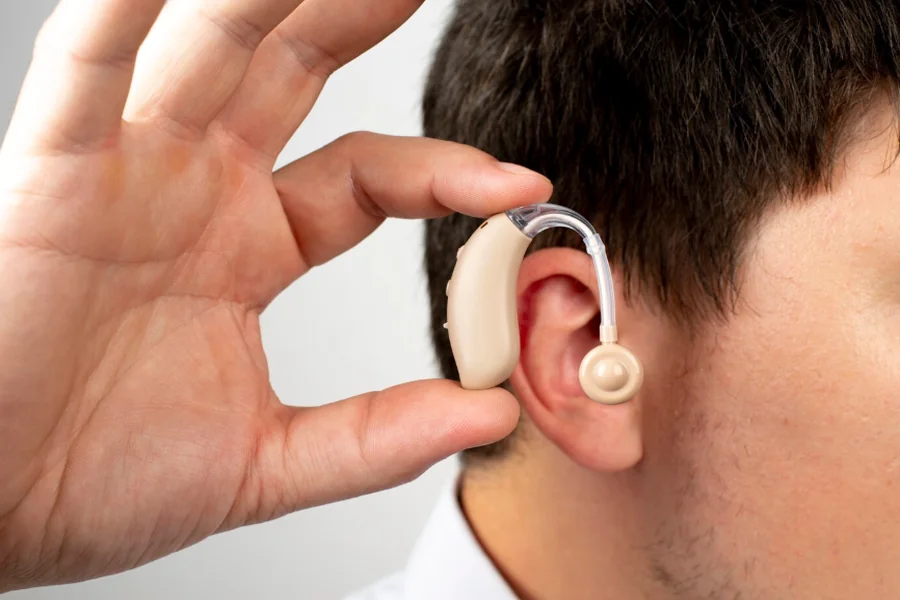
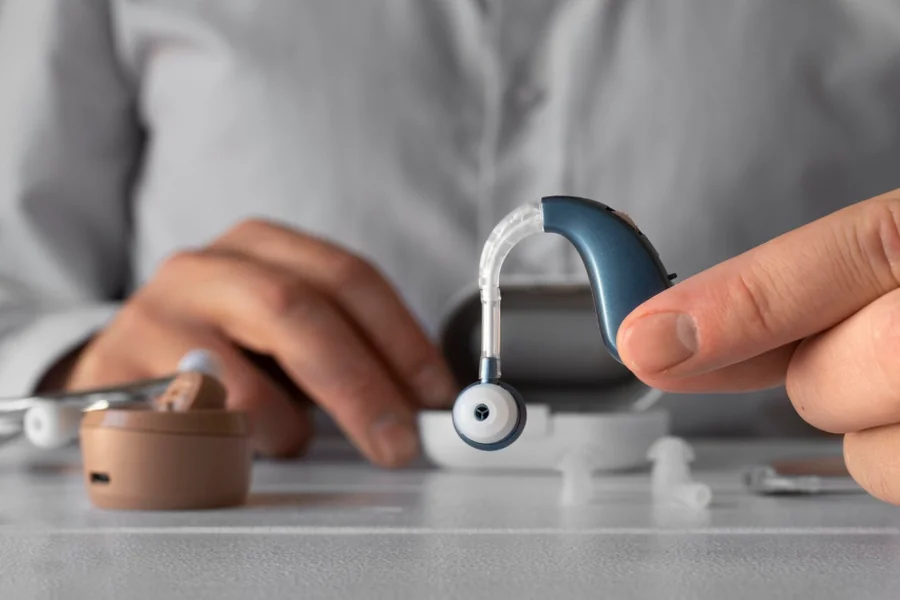
Hearing aids are available in several styles, including behind-the-ear, receiver-in-canal and in-the-ear models. Their appearance, size and handling requirements differ.
Behind-the-ear devices have a housing that sits behind the ear. Some models are easier to handle and clean because their components are relatively accessible. Receiver-in-canal designs use a smaller receiver positioned inside the ear canal, while the main unit remains behind the ear.
In-the-ear devices sit inside the ear and may be custom-made to fit its shape. Smaller models can be discreet, but their controls and batteries may be more difficult for some users to manage.
Your budget should not be the only consideration when choosing a style. Comfort, dexterity, ear shape and hearing requirements all influence suitability. A hearing care professional can help narrow down the options.
Decide Whether Wireless Connectivity Is Worth Paying For
Many modern hearing aids offer wireless features that connect with compatible smartphones, televisions and other devices. Depending on the model, this might allow you to stream calls, listen to audio or adjust settings through an application.
These functions are convenient for people who regularly use digital devices. However, they are not essential for everyone. If your main priority is hearing conversations and everyday sounds, a model with reliable basic performance might be more appropriate.
Check compatibility before paying extra for Bluetooth or app-based controls. Features vary between manufacturers, and not every hearing aid supports the same devices or streaming functions.
Consider rechargeable batteries in the same way. They offer convenience by reducing the need to replace small disposable batteries, but traditional battery-powered hearing aids remain a practical option. Compare the initial cost, charging requirements and long-term maintenance before deciding.
Do Not Overlook Fitting and Aftercare
A low purchase price might seem attractive, but it is important to understand what the package includes. Hearing aids need to be programmed and adjusted according to individual hearing test results.
Initial fitting appointments help ensure that the devices are comfortable and provide appropriate sound levels. Follow-up consultations allow the hearing care professional to make adjustments as you become familiar with the hearing aids.
Ask whether the quoted price includes the hearing assessment, fitting, follow-up visits and routine maintenance. Some providers include these services in a package, while others charge separately.
Warranty coverage is another important consideration. Check how long it lasts, which repairs are covered and whether replacement parts or servicing involve additional fees. Understanding these details helps you estimate the overall cost rather than focusing only on the initial payment.
Compare Providers Before Making a Decision
Prices can differ between hearing care providers, even when they offer devices from the same manufacturer. This may reflect differences in service packages, fitting arrangements, warranty terms and aftercare.
Request an itemised quotation so you can see what you are paying for. If two providers quote different amounts, compare the included services and device specifications before deciding which offers better value.
It is also worth asking whether a trial period or demonstration is available. Wearing a hearing aid in everyday situations provides a better understanding of its comfort, controls and sound quality than relying on product descriptions alone.
Avoid rushing into a purchase because of limited-time offers or pressure to choose a higher-priced model. Take time to review the recommendations and make sure the device meets your needs.
Plan for Long-Term Ownership Costs
Hearing aids are long-term devices that require regular care. Cleaning, battery replacement, servicing and occasional repairs may contribute to their overall cost.
Follow the manufacturer’s cleaning and storage instructions to help protect the devices from moisture, dirt and physical damage. Regular professional checks are also useful for identifying issues before they affect performance.
When comparing affordable options, consider whether replacement parts are readily available and whether the provider offers ongoing support. A device with a lower purchase price might become less economical if servicing is difficult or expensive.
Final Thoughts
Finding suitable hearing aids on a budget starts with understanding your hearing needs. A professional assessment helps identify appropriate options, while a comparison of technology, design and service packages makes it easier to avoid unnecessary expenses.
Prioritise comfortable wear, reliable sound processing and proper fitting over features you might rarely use. When the device and aftercare suit your everyday requirements, an affordable option can provide meaningful long-term value.