Luxury interior design is about more than expensive furniture, impressive decorations, or fashionable finishes. It is the careful process of creating spaces that combine visual appeal, comfort, quality, and practical use. A well-designed interior should feel inviting while reflecting the personality and lifestyle of the people who live or work in it. Every decision, from the layout to the smallest decorative detail, contributes to the overall experience. A thoughtful approach to luxury interior design helps bring these elements together to create a balanced and welcoming space.
Modern luxury interiors also draw inspiration from different periods, cultures, and design styles. Traditional architectural features can sit comfortably alongside contemporary furniture, while modern technology can improve everyday convenience without taking attention away from the design. This combination allows homeowners to enjoy spaces that feel distinctive without becoming overly formal or difficult to maintain.
Building a Timeless Foundation
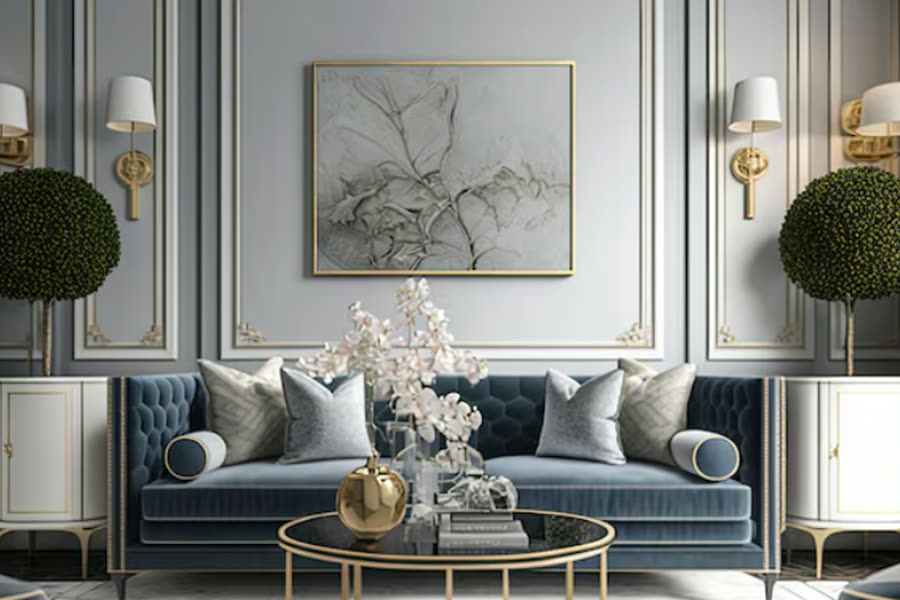
A lasting interior begins with a strong design foundation. Rather than relying entirely on short-lived trends, designers often use classic architectural details and quality materials that can remain attractive for many years. Features such as decorative ceiling mouldings, wall panelling, detailed cornices, and carefully designed flooring can give a room a sense of character and structure.
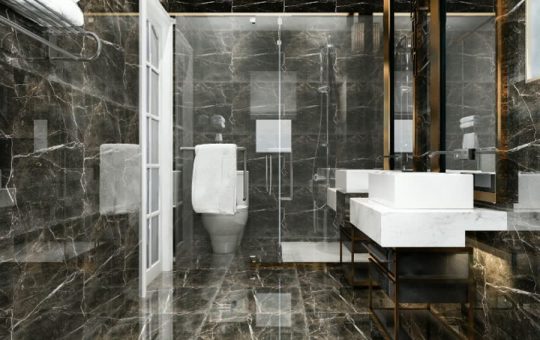
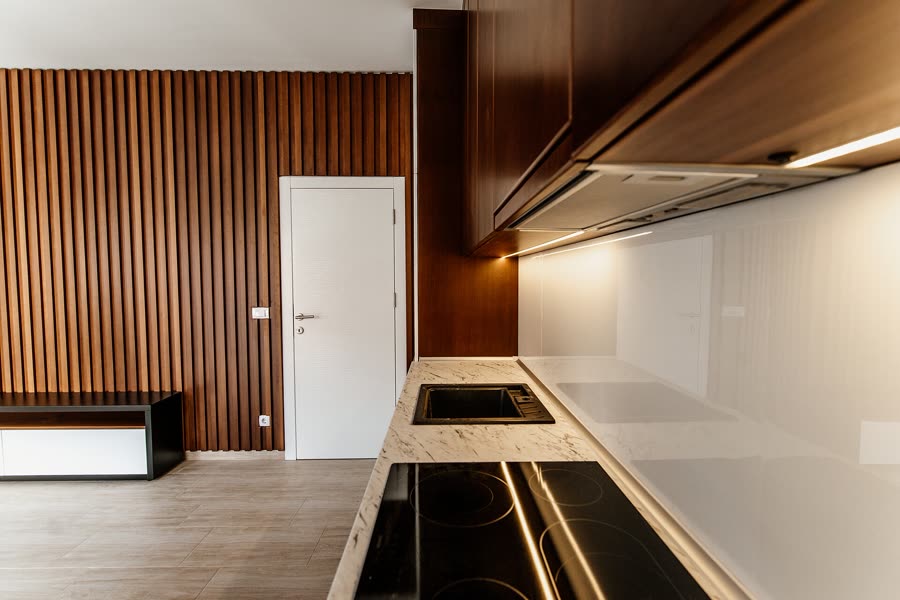
Natural materials are particularly useful in creating this lasting appeal. Timber introduces warmth, while marble and other natural stones provide texture and visual interest. Metal finishes can add contrast, especially when used in lighting fixtures, handles, and furniture details. The right combination depends on the property’s style and the atmosphere the homeowner wants to achieve.
Colour selection also plays an important role. Neutral shades such as cream, beige, soft grey, and warm white create a flexible foundation for different design elements. These colours can be complemented with darker tones, rich fabrics, or carefully chosen decorative pieces. A balanced palette helps the interior remain cohesive even when individual furnishings are updated.
Why Craftsmanship and Details Matter
The quality of an interior is often most noticeable in the details. Well-fitted cabinets, carefully finished surfaces, balanced furniture arrangements, and properly aligned fixtures can make a significant difference to the final result. These features may not immediately attract attention, but they contribute to a space that feels complete and professionally designed.
Custom-made furniture is one way to achieve a more individual look. Bespoke tables, wardrobes, shelves, and seating can be created to suit a property’s dimensions and the homeowner’s preferences. This is especially useful when standard furniture does not fit the available space or meet specific functional requirements.
Craftsmanship also allows designers to introduce details that are difficult to achieve with mass-produced products. Hand-finished woodwork, custom upholstery, decorative metalwork, and carefully selected textiles can give a room a distinctive character. Materials such as silk, velvet, leather, and polished stone may be used to introduce different textures, although their suitability depends on the room and how much maintenance they require.
Technology That Supports Comfortable Living
Technology has become an important part of contemporary interior design. Smart home systems can make daily activities easier by allowing homeowners to control lighting, temperature, entertainment, and security through connected devices. When planned properly, these features can improve convenience while keeping the interior visually organised. For related reading, see transforming modern interiors with large-format tiles.
Automated lighting systems, for example, can adjust brightness depending on the time of day or the activity taking place. Smart climate controls allow users to manage indoor temperatures, while integrated entertainment systems can provide a cleaner setup with fewer visible cables and separate devices. Security features such as smart locks and connected cameras can also be incorporated into the overall home design.
The main consideration is how technology fits into the space. Devices should support the home’s function rather than dominate its appearance. Concealed wiring, suitable storage for equipment, and well-positioned control panels can help maintain a clean finish. Including these requirements during the planning stage also reduces the possibility of expensive adjustments later.
Sustainable Choices in Modern Luxury Design
Environmental awareness is influencing how designers approach high-end residential projects. Homeowners are paying greater attention to the materials used in their properties, the energy consumed by household systems, and the expected lifespan of furniture and finishes.
Sustainable design can begin with choosing durable products that do not need frequent replacement. Reclaimed timber, recycled materials, responsibly sourced stone, and fabrics made with lower-impact production methods may also be considered. The best choices depend on availability, quality, and the intended use of each material.
Energy efficiency is another important part of responsible design. LED lighting, efficient appliances, smart thermostats, and suitable insulation can help manage household energy use. Window treatments and ventilation planning can also support indoor comfort by helping regulate natural light and temperature.
Sustainability does not require sacrificing appearance. Natural finishes, thoughtfully selected furniture, and locally made decorative pieces can create attractive interiors while supporting more responsible purchasing decisions. Working with local craftspeople may also introduce traditional techniques and distinctive details that give a home a stronger sense of identity.
Creating Open Spaces with Natural Flow
Open-plan layouts have become popular because they make homes feel more connected and flexible. Combining living, dining, and kitchen areas can improve movement between rooms and allow natural light to reach a larger part of the property. This arrangement can also make it easier for family members and guests to interact.
However, open spaces still need careful planning. Without clear organisation, a large room can feel empty or lack a sense of purpose. Furniture placement can help define different areas without requiring full-height walls or unnecessary partitions. A sofa may establish the living area, while a dining table creates a separate place for meals and gatherings.
Materials, lighting, and ceiling treatments can also help distinguish one section from another. Using consistent colours and finishes throughout the space maintains visual unity, while subtle changes in texture or furniture style give each area its own function. The result is an interior that feels open but remains practical for everyday use.
Cultural Inspiration and Personal Identity
Interior design often becomes more interesting when it reflects different cultural influences. Designers may draw inspiration from Japanese simplicity, Mediterranean materials, traditional European detailing, or Moroccan patterns. These influences can introduce new textures, colours, and decorative approaches to a home.
The key is to use cultural references thoughtfully rather than combining unrelated styles without a clear direction. A carefully selected piece of furniture, handcrafted textile, or artwork can provide a meaningful connection to a particular place or tradition. When these elements are balanced with the rest of the interior, they add depth without making the room feel crowded.
Personal expression is equally important. Artwork, family heirlooms, travel collections, and objects with sentimental value can make a property feel more connected to its owners. These details help create an individual home rather than simply following a designer’s preferred style.
Using Lighting to Shape the Atmosphere
Lighting has a major influence on how an interior looks and feels. It affects the appearance of colours, highlights materials, and helps establish the mood of a room. A successful lighting plan considers both practical requirements and the atmosphere the homeowner wants to create.
General lighting provides visibility throughout the room, while task lighting supports activities such as reading, cooking, or working. Accent lighting can draw attention to artwork, architectural details, shelving, or decorative features. Combining these different types creates a more flexible environment than relying on a single overhead fixture.
Statement chandeliers, pendant lights, and wall sconces can also contribute to the overall design. Their size, placement, and finish should suit the room rather than overpower it. Dimmable fixtures and smart controls offer additional flexibility, allowing the atmosphere to change throughout the day.
The Lasting Appeal of Colour and Texture
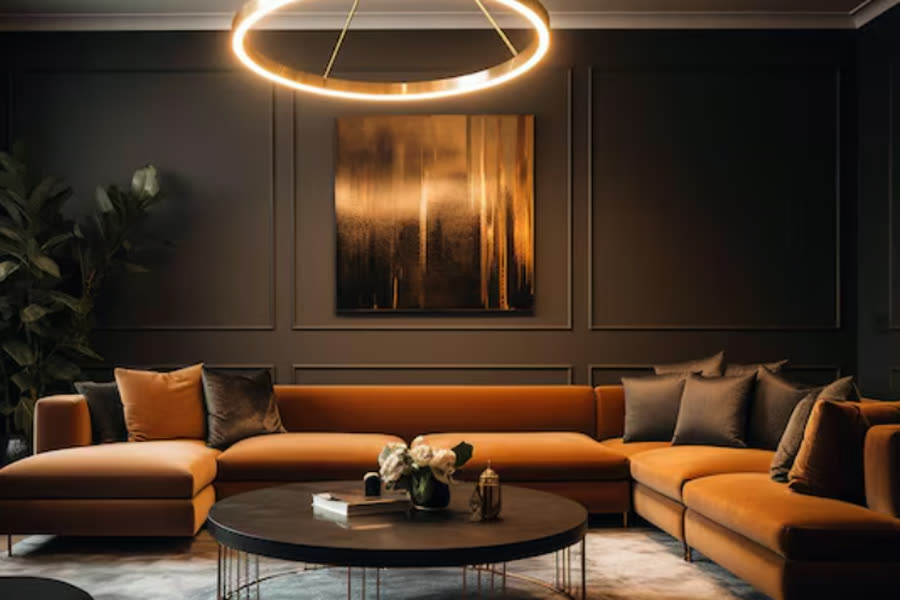
Monochromatic interiors show how a limited colour palette can still create a visually rich environment. Different shades of the same colour can be combined with varied materials to introduce depth and contrast. For example, a room built around warm grey may include textured upholstery, natural stone, soft rugs, and darker decorative accents.
Texture is especially important when using neutral colours. Velvet and suede can add softness, while timber and woven fabrics introduce warmth. Glass, polished metal, and stone provide smoother surfaces that balance heavier materials. Artwork and selected accessories can then introduce small touches of colour without disrupting the overall scheme.
Designing Interiors That Stand the Test of Time
Exceptional interior design brings together careful planning, skilled workmanship, useful technology, and personal expression. While trends will continue to change, the importance of comfort, quality, and practical layouts will remain central to successful spaces.
The most effective luxury interiors are not defined by how much they contain but by how well each element works with the others. When materials, lighting, furniture, and architectural features are selected with purpose, they create an environment that feels balanced and welcoming. This thoughtful approach to design makes it possible to enjoy a beautiful home that also supports the needs of everyday life.