Clean air is important for a comfortable and healthy living environment. While people often pay attention to outdoor pollution, the quality of indoor air also deserves consideration. Dust, pollen, pet dander, smoke and everyday household activities can affect the air inside homes and workplaces. An air purifier in Singapore can help reduce certain airborne particles and make indoor spaces more comfortable.
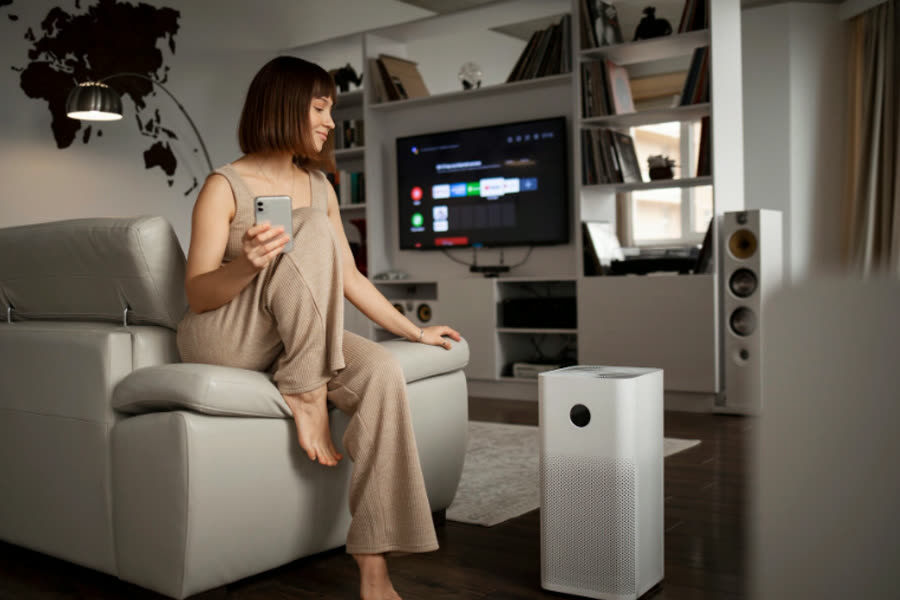
Air purifiers are designed to draw in surrounding air, pass it through filters or other treatment systems and release cleaner air back into the room. Different models offer different features, making it important to understand how they work before choosing one. Selecting a suitable device depends on the size of the space, the type of pollutants involved and the needs of the people using it. For related reading, see how to identify, control and prevent bed bug infestations in homes and businesses.
Why Indoor Air Quality Matters
Indoor air can contain a mixture of particles and gases from different sources. Dust may enter through open windows and doors, while cooking, cleaning, and other household activities can release particles and odours. Pets can also contribute dander and loose hair to the indoor environment.
Poor ventilation may allow some pollutants to remain indoors for longer periods. This can make certain rooms feel stuffy and may cause discomfort for people who are sensitive to dust or other airborne substances.
Air quality is particularly important in spaces where people spend many hours, such as bedrooms, living rooms, offices and classrooms. Maintaining clean surroundings, reducing pollutant sources and allowing suitable ventilation can all help improve indoor conditions.
An air purifier can support these efforts by reducing certain airborne contaminants. However, it should not be viewed as a replacement for proper ventilation, regular cleaning or the removal of pollution sources.
How Air Purifiers Work
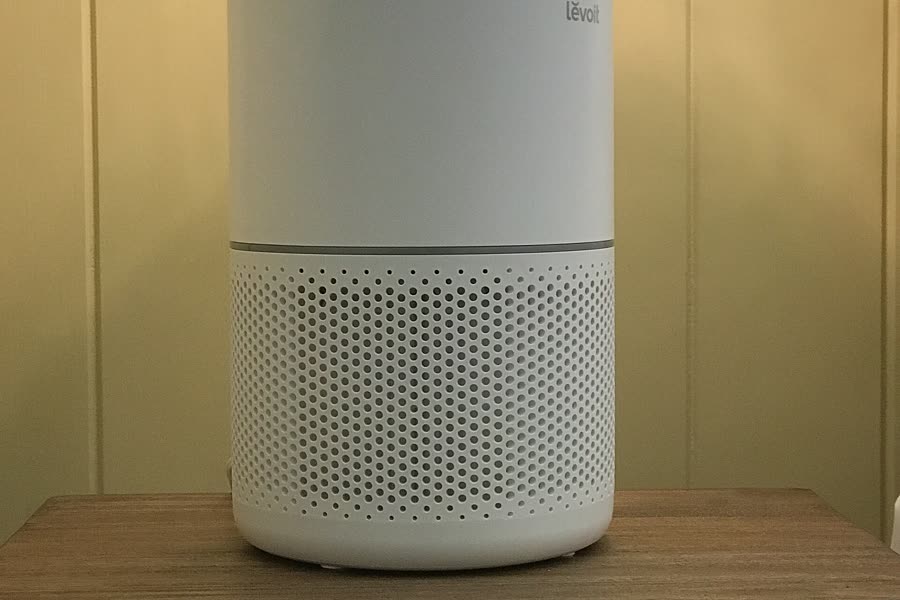
Most air purifiers use a fan to draw air into the machine. The air then passes through one or more filters before being released back into the surrounding space. The type of filtration system determines which pollutants the device can capture or reduce.
High-Efficiency Particulate Air (HEPA) filters are commonly used because they can capture very small airborne particles. A properly tested HEPA filter can remove at least 99.97 per cent of particles measuring 0.3 microns under specified test conditions. These may include dust, pollen and certain other particles suspended in the air.
Some models also include activated carbon filters. These filters are designed to absorb certain gases and odours, including some volatile organic compounds. Their effectiveness depends on the amount and quality of carbon used, as well as the concentration of pollutants.
Other technologies may include electronic particle collection or ultraviolet treatment. Each method has different capabilities and limitations, so customers should examine product specifications rather than assuming every air purifier provides the same level of protection.
Benefits of Using an Air Purifier
An air purifier can help reduce airborne particles that may cause discomfort for some people. Dust, pollen and pet dander can contribute to allergy symptoms, so reducing their presence in indoor air may make certain rooms more comfortable.
People who are sensitive to airborne irritants may find a properly selected purifier useful as part of their indoor air management routine. However, results vary depending on the device, room conditions and the pollutants involved. Air purifiers do not cure allergies or respiratory conditions, and they should not replace medical advice or prescribed treatment.
Reducing unpleasant odours is another possible benefit. Models with suitable activated carbon filters may help manage some smells from cooking, pets and household products.
For bedrooms, a quiet purifier may also support a more comfortable sleeping environment. Choosing a device with suitable noise settings allows users to balance cleaning performance with their preference for a peaceful room.
Understanding Filter Types
Filter selection is one of the most important factors when comparing air purifiers. HEPA filtration is useful for capturing airborne particles, including fine dust and pollen. It is often a suitable choice for households concerned about common particulate pollutants.
Activated carbon filtration serves a different purpose. It can help reduce certain gases and odours, but its performance depends on the filter’s design and capacity. A thin carbon-coated sheet may not provide the same results as a filter containing a larger quantity of activated carbon.
Some devices combine several filtration stages. A pre-filter may capture larger particles such as hair and visible dust before air reaches the main filter. This can help reduce the amount of debris reaching the finer filtration stage.
Before purchasing a purifier, customers should check which filters are included, how often they need replacement and whether replacement filters are easy to obtain.
Choosing the Right Size for Your Space
Room size has a direct effect on how well an air purifier can perform. A compact unit may work well in a small bedroom but may not provide sufficient air circulation in a large living area.
Manufacturers often provide a recommended room coverage area or a Clean Air Delivery Rate (CADR). CADR indicates how quickly a purifier can deliver filtered air for particular particle types. A higher rating generally means the device can clean air more quickly under the stated testing conditions.
Customers should compare the purifier’s specifications with the dimensions of the intended room. Ceiling height and room layout may also influence how air moves through the space.
For open-plan homes, one small device may not be enough to provide effective coverage throughout the entire area. In some cases, placing suitable units in separate rooms may be more practical.
Smart Features and Modern Technology
Many modern air purifiers include features that make everyday operation more convenient. Air quality sensors can monitor certain particles and adjust the fan speed automatically. This allows the machine to respond when pollution levels change.
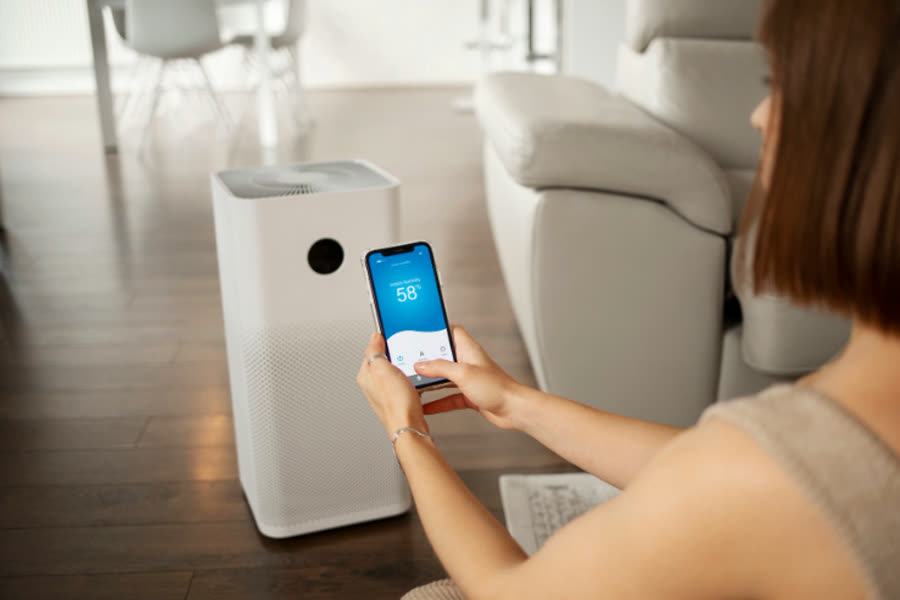
Some models also offer Wi-Fi connectivity and mobile applications. These features may allow users to switch the device on or off, adjust settings and check available air quality readings remotely.
Timers, sleep modes and filter replacement indicators are other useful features. A sleep mode can reduce operating noise and display brightness, while a filter indicator reminds users when maintenance may be required.
Smart features can improve convenience, but they should not be the main reason for choosing a purifier. Filtration performance, room coverage, noise levels and replacement costs are more important considerations.
Energy Efficiency and Environmental Considerations
Air purifiers may operate for several hours each day, so energy consumption is worth considering. An energy-efficient model can help manage electricity use while providing suitable cleaning performance.
Customers should check the device’s power rating and consider how often it will be used. Running a purifier continuously at its highest setting may consume more electricity than using an appropriate automatic or lower-speed setting.
Filter disposal is another environmental consideration. Many filters need to be replaced rather than washed, depending on the manufacturer’s instructions. Customers should understand the replacement process and avoid cleaning disposable filters in ways that could damage them or release trapped particles.
Choosing a durable purifier with accessible replacement parts can also help reduce unnecessary waste.
Maintenance and Filter Replacement
Regular maintenance is necessary to keep an air purifier working properly. Dust can collect on the pre-filter and reduce airflow if it is not cleaned as recommended. Some pre-filters can be washed, while others need to be vacuumed or replaced.
HEPA and activated carbon filters also have limited service lives. Their replacement intervals depend on the model, usage, indoor pollution levels and the manufacturer’s guidance. Waiting too long to replace a filter may reduce the device’s performance.
The exterior and air intake areas should also be kept free from dust and obstructions. Before cleaning or replacing components, users should switch off and unplug the machine and follow the instructions provided.
Checking filter prices before purchasing is a sensible step because ongoing maintenance costs can affect the overall value of the device.
Using Air Purifiers in Homes and Workplaces
Air purifiers are not limited to residential use. Offices, classrooms, healthcare environments and other shared spaces may also use them to help manage airborne particles.
In workplaces, suitable units can support indoor air management in meeting rooms, reception areas and other enclosed spaces. For classrooms, room coverage, noise levels and ease of maintenance are particularly important.
Different environments have different requirements. A purifier selected for a small office may not be suitable for a busy shared room. Businesses should consider the number of occupants, ventilation arrangements and the types of pollutants that may be present.
Making an Informed Purchasing Decision
Choosing an air purifier involves more than comparing prices and appearance. Customers should first identify the main reason for buying one. Someone concerned about pollen may prioritise effective particle filtration, while someone looking to manage cooking smells may need a model with a suitable activated carbon filter.
Room coverage, CADR, noise levels, energy consumption and replacement filter costs should also be compared. It is useful to read the manufacturer’s specifications and check whether performance claims are supported by reliable testing.
Avoid relying on broad claims that a purifier removes every pollutant or prevents illness. Different technologies work in different ways, and no single device can address every indoor air quality problem.
Making Cleaner Indoor Air a Priority
Air purifiers can be useful tools for managing indoor air quality when they are selected and maintained correctly. By reducing certain airborne particles and, where suitable filters are included, some odours and gases, they can contribute to a more comfortable indoor environment.
The best results come from combining air purification with regular cleaning, sensible ventilation and efforts to reduce pollution at its source. With careful consideration of room size, filtration performance and maintenance needs, customers can choose a device that suits their home or workplace and supports better everyday air quality.