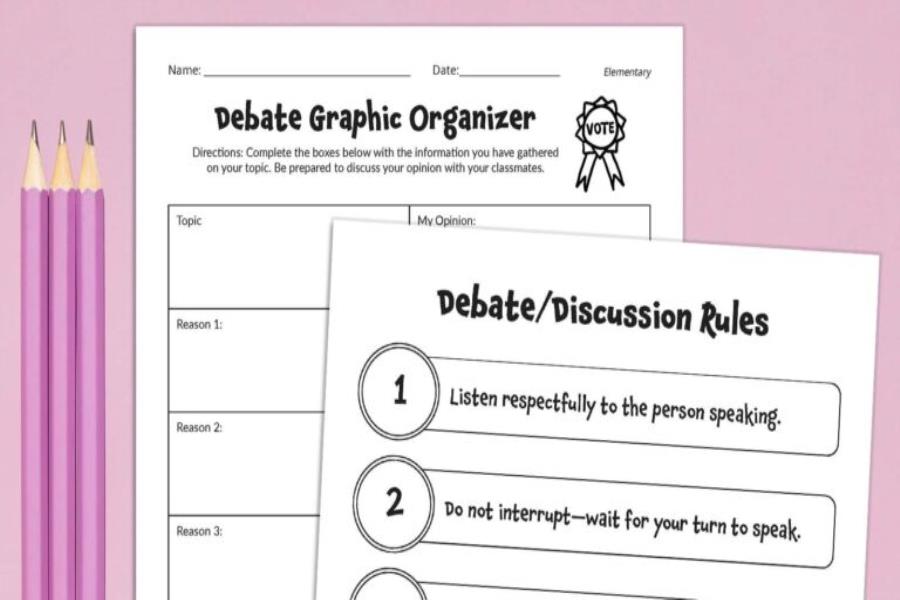
simple debate topics for students can help make classroom discussions easier, more beneficial and more enjoyable. A topic must be understandable and be able to present both sides of an argument. Simple research is best for the best questions. They just let the students think, talk, listen and justify their views.
Debating can help enhance communication skills, critical thinking, confidence and teamwork skills. They also impart a valuable lesson – people can disagree and it doesn’t make every discussion an argument!
This guide gives you some easy debate ideas for various ages and topics for use in the classroom, in school competitions, or for speaking practice.
Quick Facts About Simple Debate Topics For Students
| Topic | Quick Example | Why It Works |
| School | Should homework be banned? | Students know the subject well |
| Technology | Are smartphones helpful for students? | Easy to argue from both sides |
| Education | Should schools have longer breaks? | Relevant to daily student life |
| Social media | Should children use social media? | Encourages balanced opinions |
| Environment | Should plastic bags be banned? | Connects to real-world issues |
| Food | Should schools serve only healthy food? | Simple and relatable |
| Sports | Should every student play sports? | Creates clear arguments |
| Entertainment | Are books better than movies? | Fun and easy to discuss |
Short answer: The best simple debate topics for students are easy to understand, understandable, and have more than one reasonable opinion. Issues relating to school, technology, food, social media and everyday life tend to be good topics.
What Makes A Good Debate Topic For Students?
Typically, a good student debate topic will have three of the following:
- Is simple to comprehend.
- The arguments are clearly there and they both have their merits.
- Students have the opportunity to relate it to their lives.
An example of this is asking a student if they should wear school uniform—or a more complex question such as political/economical? Students can easily come up with personal anecdotes and make arguments.
Don’t use topics which are too general. Questions such as “Is technology good or bad” can become confusing. Clear direction is given to the discussion by a more focused question: Should students be allowed to use phones during class?
Read Also: Yeat Net Worth 2026: Income, Career, Music and Success Explained
Simple Debate Topics For Elementary Students
These questions are simple debate questions for younger students. Language simplicity, familiar topics.
- Is it advisable for students to have homework daily?
- Should School Uniforms be mandatory?
- Should lunchtimes be longer?
- Is it better to have a pet or no pet?
- Do children need to do chores at home?
- Which is better : reading books or watching movies?
- Should TOL be allowed into school?
- If school starts later, what do you think?
- Is team sport better than individual sport?
- Is it necessary for all children to learn how to swim?
- Should students come dressed for school casually?
- Which is better: Summer or Winter?
- Should children have free choice of their bedtime?
- Are video games good for children?
- Should students be assigned less homework during the weekend?
The following are some simple debate topics that will allow for students to have an opportunity to practice explaining their opinion or reasons for disagreeing.
Simple Debate Topics For Middle School Students
Questions requiring more thought may be handled by middle school students and will remain relevant in the real world.
School Debate Topics
- How much should be reduced in homework?
- Is school a place for cell phones?
- Is it time to start school later in the morning?
- Do students have options for some of their subjects?
- Is it the right idea to replace exams with projects?
- Is it necessary for students to wear uniforms to school?
- Is there a “four day” school week?
- Should students be permitted to eat while in class?
- Is more freedom acceptable for students in school?
- Should ALL students be taught public speaking?
- Should art and music be compulsory subjects?
- Should the school prohibit the use of energy drinks?
- Is it OK for students to hear music while they’re learning?
- Is it fair to grade only on tests/exams?
- Should schools teach finance?
Technology Debate Topics
- Does Artificial Intelligence help the students?
- In the context of homework, should students be using AI tools?
- What are the pros and cons of having a smartphone?
- Should there be an age limit for social media?
- What is the level of acceptable screen time for children?
- Is the learning experience in the classroom better or worse than in online classes?
- Should schools be blocking social media on their network?
- Are video games a useful way to learn?
- Is it advisable for students to learn coding at school?
- Are technology usage, and more broadly artificial intelligence, reducing people’s sociability?
Simple Debate Topics For High School Students
At the high school level, students can broaden their questions and answers are still manageable.
- Is higher education a right, rather than a privilege?
- What about having a 4-day week at school?
- Does online learning work as well as face-to-face learning?
- Should one have to teach financial literacy?
- If attendance is required, should it be allowed to be excused?
- Should AI be used by students in school assignments?
- Is it a good idea to allow students to work part-time?
- Does voting have to be mandatory?
- Do you think community service is a requirement for graduation?
- How do you feel about school rankings?
- Must social media companies verify that users are older than a specific age?
- Would students be better off having to pay for travel if they need to use public transport?
- Would students benefit from a gap year prior to university?
- Do schools need to educate students on additional, more practical skills in life?
- Is a standardised assessment a justifiable way to assess students?
- Why not shorten school days?
- Could the University use grade less for admission?
- Does it work out more for you to work at home, than in an office?
- Should people limit their use of social media?
- Would governments benefit by being more active in protecting the environment?
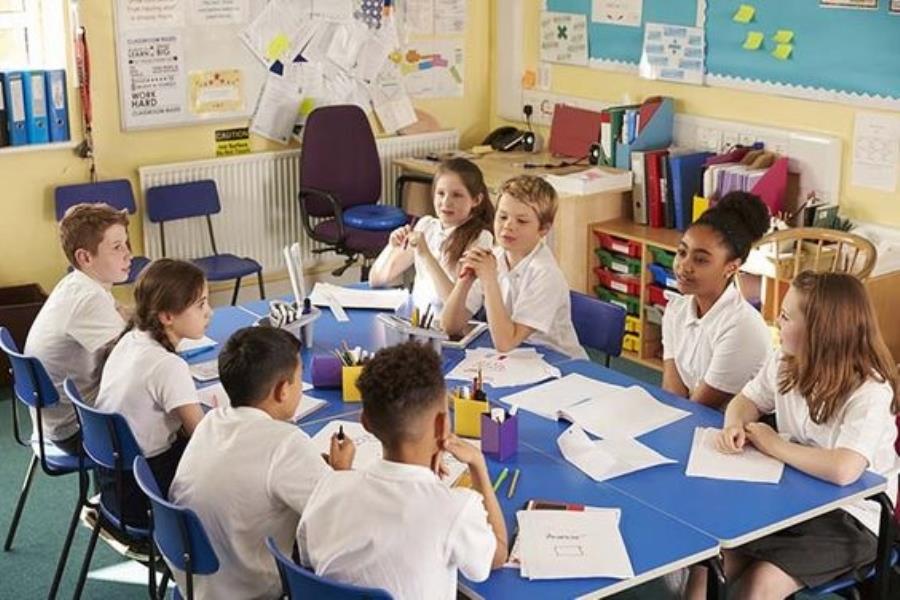
Easy And Fun Debate Topics For Students
Debates don’t have to be serious. Students can make themselves more confident speakers by using fun topics to make them feel relaxed.
- Which is better: pizza or burgers?
- Do cats make good pets or do dogs make better pets?
- So is chocolate better than ice cream?
- Eat breakfast for dinner?
- Books vs. movies?
- Will summer be better than winter?
- Who will get a 3-day weekend?
- “Who’s better, a superman or a supervillain?”
- Does it work better to work alone or in a group?
- Should dessert be offered at school every day?
- Which games are superior, board or video games?
- Which is better, a beach or mountains?
- Is it good if all classrooms had a pet?
- Do mornings make for better days than nights?
- Should you go with friends or just you?
Fun debate topics are particularly helpful when students are new to debating. They learn how to organize an argument and respond to another side of the argument, but the pressure is less.
Simple Debate Topics About Social Media
Social media has a lot for students to talk about as it is an integral part of today’s life.
- Is it necessary for students to use social media daily?
- Is social media a good way for people to keep in touch?
- Do schools have a responsibility to educate students about online safety?
- What is the impact of social media on concentration?
- Should parents check kids’ social media?
- Are influencers responsible for their promotions?
- Are social media considered a trusted source of information?
- Is there a need to make a break from social media?
- Should anonymous accounts be permitted on the Internet?
- Is social media setting up unrealistic expectations?
The important thing to keep in mind is to stick to the subject. Pupils should justify their opinion on whether something is “good” or “bad.”
Environment Debate Topics For Students
Environmental issues can involve pupils in topics that are important without being too challenging.
- Should plastic bags be banned?
- Could schools recycle even more?
- Are people to stop eating meat to save the environment?
- Is free public transport a good idea?
- If practicable, should students walk and/or ride their bikes to school?
- Is single-use plastic worthy of being banned?
- Will recycling be sufficient to solve waste problems?
- Should companies consume less packaging?
- Should schools eliminate the use of paper, given its digital alternatives?
- Should people have to pay more for environmentally-friendly products?
The following topics will also inspire research. Students can be taught the facts and then they can use those facts to support their stance.
Best Simple Debate Topics For Classroom Discussion
Use these common questions for inspiration when you need ideas for a class:
15 Quick Debate Questions
- Should homework be a thing of the past?
- Should students be required to wear uniform?
- Do cell phones have a purpose in school?
- Is it possible to delay school hours?
- Are books better than movies?
- Should there be an age limit on social media?
- Is there a superior method of learning than being in the classroom?
- Would students get more longer breaks?
- Do examinations constitute the best means of testing students?
- Should schools educate students on personal finance?
- Should plastic bags be outlawed?
- Is AI aiding students?
- Is it advisable for all students to play sport?
- Is it better to do a group project or individual work?
- Could students select their own topics?
The following questions are effective because students can grasp the problem and begin to develop their position within the minimum time possible.
How To Choose The Right Debate Topic
It can be challenging for students to select from hundreds of the easy debate subjects. Some simple queries will help.
Consider the Age Group
Younger students will typically require familiar topics. Students will be able to answer high school questions pertaining to education, technology, society and environment.
Keep the Question Clear
Generally, a debate question or statement should be a statement or question. The student should have a clear grasp of the issue that is being debated.
Too general: Do you think education is important?
Better: Should students be given the liberty to select additional school subjects?
Make Sure Both Sides Have Arguments
If the topic is weak, there’s one and only one clear answer. With a sounder topic, students have evidence to support either side.
For example:
Discuss: Ban homework?
For: Students need more rest and personal time.
For: Homework may facilitate student review of what they have learned.
That balance can be said to make for a real debate.
How Students Can Prepare For A Debate
Don’t always spend hours preparing. A simple process is available for students to follow.
1. Understand the Question
Read the topic thoroughly. Have a clear understanding of your position.
2. Find Three Strong Points
Students are expected to have at least three arguments for their stance. Each of the points must be understood easily.
3. Add Examples
Use examples to clarify arguments. If there are any relevant personal experiences, these can be included.
4. Think About the Other Side
A good speaker doesn’t dismiss contrary points. Students are encouraged to ask, “What will the other team say?” and come up with an answer.
5. Speak Clearly
It is not necessary for students to use sophisticated vocabulary to be convincing. Often short and simple sentences are better.
Why Simple Debate Topics Matter
Simple topics allow students to concentrate on the skill of debating rather than getting bogged down in complicated information. They develop listening and explanation skills, as well as questions and answers.
Debating can help increase confidence, too. If a student is nervous about speaking in public, he or she might want to begin with something familiar like uniforms in school and/or homework. They can gradually progress to more in-depth conversations.
It’s not always about proving a point that one side is right. A good debate can assist students to gain knowledge of opposing perspectives and reasons behind one’s own opinion.
Read Also: What Shoes to Wear With Wide Leg Trousers (So You Stop Second-Guessing Every Outfit)
Final Thoughts
The easiest simple debate topics for students are ones that are easy to grasp but have something to offer both sides. Any good introductions are suitable: school life, technology, social media, food, sport and the environment.
Begin with a question that students already know the answer to. Be sure to be clear in your wording. Provide adequate time to prepare. Most importantly, tell them, a good debate is not about yelling the loudest. It’s about communicating a clear message, taking a moment to listen and respond with respect.
Even a short debate in the classroom can be a learning experience, if it has a good topic.
FAQs:
What are the best simple debate topics for students?
Homework, school uniforms, smartphones, social media, online learning, books versus movies, and more school breaks make for some of the best simple debate topics for students. These are topics that are familiar and easy to talk about.
What is a good debate topic for beginners?
The following is a good beginner topic: “Should homework be banned?” Easy to understand and students can easily find arguments to support both sides.
How do I choose a simple debate topic?
Select a topic that is appropriate for the students’ age, is clearly expressed and has some good arguments on both sides. Often the most effective are familiar everyday topics.
What are some fun debate topics for students?
Fun topics are: Do cats beat dogs? Do books beat movies? Is summer better than winter? Is pizza better than a burger?
What are good school debate topics?
Good School Debate Topics are: Should students wear uniforms, should students be allowed to use phones in class, should students have less homework, should schools start later, and should students be allowed to select more of their subjects.
Why are debates important for students?
Debates enhance speaking, listening, thinking, research and confidence. They also assist students to grasp opinions contrary to their own.
How long should a student debate be?
The classroom debate may take 10-30 minutes, depending on the age of the students and the type of debate. For beginners, a short debate is usually sufficient.
Can simple debate topics improve public speaking?
Yes. With simple topics, students can concentrate on clear speaking and effective organization of ideas rather than on complex research or information.