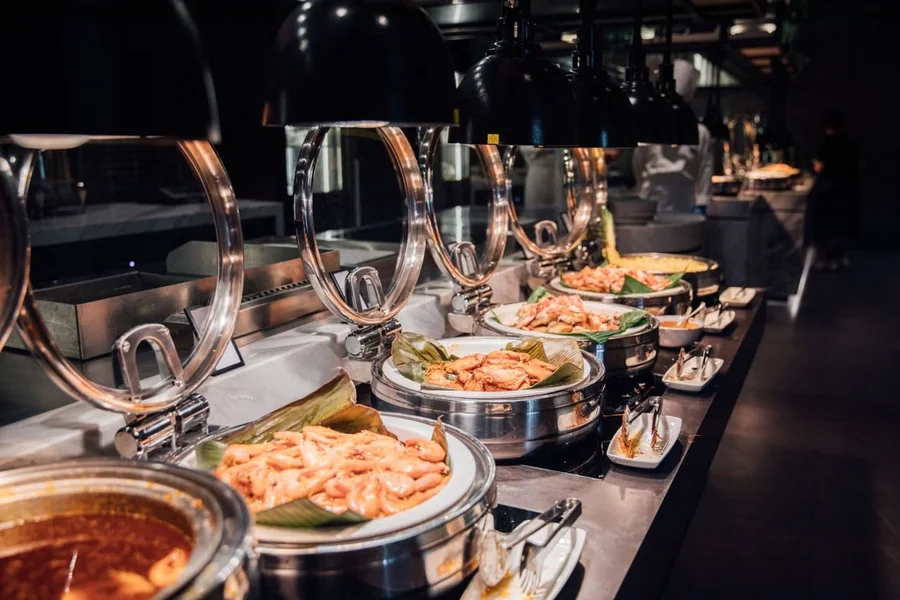
A dinner buffet offers a convenient way to enjoy different dishes in one sitting, making it a popular choice for family gatherings, celebrations and casual meals with friends. In Singapore, buffet dining ranges from international spreads at hotel restaurants to specialised selections featuring seafood, grilled dishes and local favourites.
The appeal of a dinner buffet in Singapore lies in having plenty of choices without needing to agree on a single cuisine or main course. One person might prefer fresh seafood, while another looks forward to hot dishes, salads or desserts. A well-planned buffet brings these options together, giving diners the freedom to build a meal around their own preferences.
However, not every buffet offers the same experience. The food selection, dining environment, service and overall value all deserve consideration when choosing where to eat.
Explore Different Buffet Cuisines
One of the first things to consider is the type of food available. International dinner buffets are suited to groups with varied tastes because they often include dishes inspired by several cuisines. A typical spread might feature Asian favourites, Western mains, salads, soups, grilled items and desserts.
Seafood buffets appeal to diners who enjoy prawns, crabs, mussels and other seafood selections. Depending on the restaurant, these might be served chilled, steamed, grilled or prepared with sauces and seasonings. Since seafood availability can change, it is worth checking the current menu before making a reservation.
Some restaurants focus more heavily on regional or local dishes. These buffets might include familiar Singaporean favourites alongside other Asian specialities. They offer an opportunity to enjoy several flavours in one meal, particularly when dining with visitors who want to explore local food.
The best choice depends on what your group enjoys. Checking the menu in advance helps avoid disappointment if you are expecting a particular dish or cuisine.
What Makes a Good Dinner Buffet?
A large selection does not automatically mean a better buffet. Food quality, freshness and preparation are more important than the number of dishes displayed.
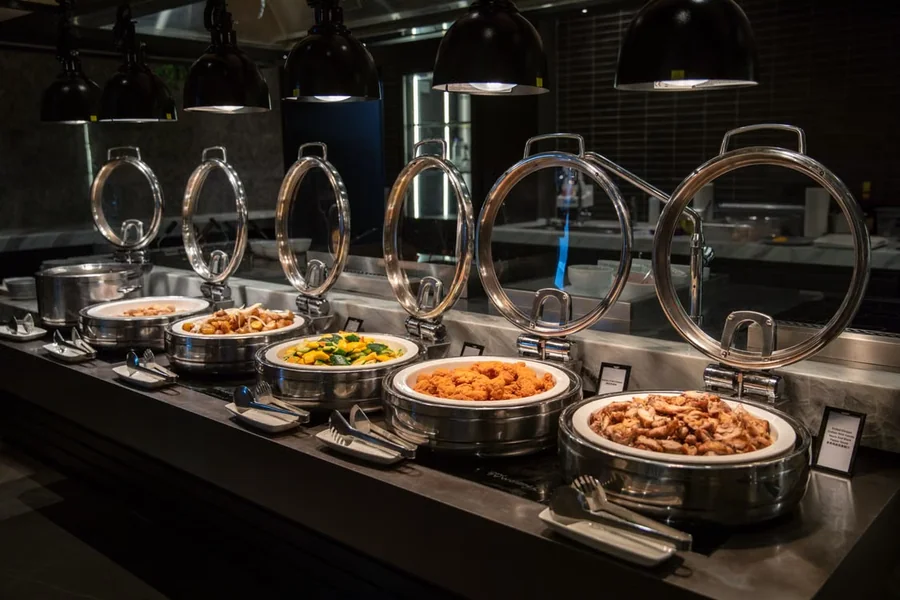
Pay attention to how the food is replenished and presented. Hot dishes should be served at appropriate temperatures, while chilled items need proper refrigeration. Live cooking stations can add variety by allowing diners to request freshly prepared dishes, although waiting times might increase during busy periods.
A balanced selection also makes a difference. Having a combination of appetisers, vegetables, seafood, meat, rice, noodles and desserts gives diners more flexibility. Restaurants that provide lighter options alongside richer dishes are often easier to enjoy over a longer meal.
Service matters too. Staff should be attentive when clearing plates, replenishing water and assisting with dietary enquiries. These details help the meal feel organised, especially when the restaurant is busy.
Choose a Buffet That Suits the Occasion
The purpose of the meal can influence which restaurant is most suitable. A casual dinner with friends might call for a relaxed atmosphere and a broad selection of dishes. A birthday celebration or family gathering might require more seating space, convenient access and a setting that allows everyone to enjoy a longer meal.
For larger groups, check whether the restaurant accepts reservations and whether it offers arrangements for group dining. Some venues have private or semi-private spaces, although these might involve minimum spending requirements or additional conditions.
Families should also consider whether the restaurant is comfortable for children and older relatives. Easy access, suitable seating and a selection of familiar dishes can make the experience more enjoyable for different age groups.
If the dinner is part of a special celebration, ask about birthday arrangements or other services before booking. These are not available at every restaurant and should not be assumed to be included in the buffet price.
Consider the Dining Environment
The atmosphere contributes to the overall experience. Some diners prefer a lively restaurant with open kitchens and plenty of activity, while others want a quieter setting where conversation is easier.
Hotel restaurants often provide a more spacious dining environment, with seating arrangements suited to couples, families and groups. Standalone buffet restaurants might offer a more casual atmosphere or focus on a particular cuisine.
Location is another practical consideration. A restaurant near public transport or within a shopping and entertainment area can be convenient when the dinner is part of a longer evening out. For groups travelling from different parts of Singapore, choosing an accessible venue can reduce the difficulty of coordinating arrival times.
It is also worth checking the restaurant’s seating duration and dinner service hours. Some buffets operate within fixed dining periods, which might affect how much time you have to enjoy the meal.
Check Prices, Promotions and Inclusions
Dinner buffet prices in Singapore vary according to the restaurant, menu, day of the week and dining period. Hotel buffets are often positioned differently from casual buffet restaurants, while seafood-focused spreads might have their own pricing structure.
Before booking, check whether the advertised price includes service charge and prevailing Goods and Services Tax. Some restaurants offer weekday rates, early booking promotions or discounts for selected payment methods. Conditions can apply, so read the details rather than assuming every promotion is available.
Also confirm what the price covers. Certain premium dishes, beverages or special items might require an additional payment. If you are dining with children, check the age groups used for child pricing and whether the restaurant has a minimum charge for younger diners.
Comparing the full cost helps you judge whether the selection and dining experience match your budget.
Make Room for Dietary Preferences
A buffet provides variety, but diners with dietary restrictions still need to check the menu carefully. Vegetarian options might include salads, vegetable dishes, rice, noodles and meat-free appetisers, although ingredients such as seafood stock or meat-based sauces can be less obvious.
People with food allergies should speak directly with restaurant staff. Buffet dishes are prepared in shared kitchens and displayed in common areas, so cross-contact is possible. Food labels alone might not provide enough information about every ingredient or preparation method.
If you have specific dietary requirements, contact the restaurant before making a reservation. This gives the team an opportunity to explain what is available and whether any arrangements can be made.
Get More From Your Dinner Buffet Visit
A little planning helps make the meal more enjoyable. Check the menu and operating hours, reserve a table if necessary and arrive within the restaurant’s stated dinner service period.
Once seated, take a look around before choosing your first plate. This gives you a sense of the full selection and helps you decide which dishes are worth trying. Starting with smaller portions also leaves room to sample different items without taking more food than you can finish.
Rather than rushing to fill your plate, enjoy the meal at a comfortable pace. A dinner buffet is often best experienced as a relaxed occasion where the food, company and atmosphere all have a part to play.
Final Thoughts
A dinner buffet in Singapore offers plenty of ways to enjoy an evening meal, from international spreads and seafood selections to local favourites. The right venue depends on the occasion, the group’s food preferences and the kind of dining atmosphere you want.
Before booking, look beyond the number of dishes advertised. Check the menu, prices, service arrangements and dietary options, so you know what to expect. With a suitable choice, buffet dining can make an ordinary dinner or special gathering more enjoyable.