Before the first human stepped foot on New Zealand, moa birds were roaming the forest. These giant birds, which were once flightless and hunted to extinction thousands of years ago, continue to surprise people. Looking for the truth facts about moa? This guide includes details on their size, their sudden disappearance, and more. No filler, just useful information to be shared or used.
Key Facts About Moa
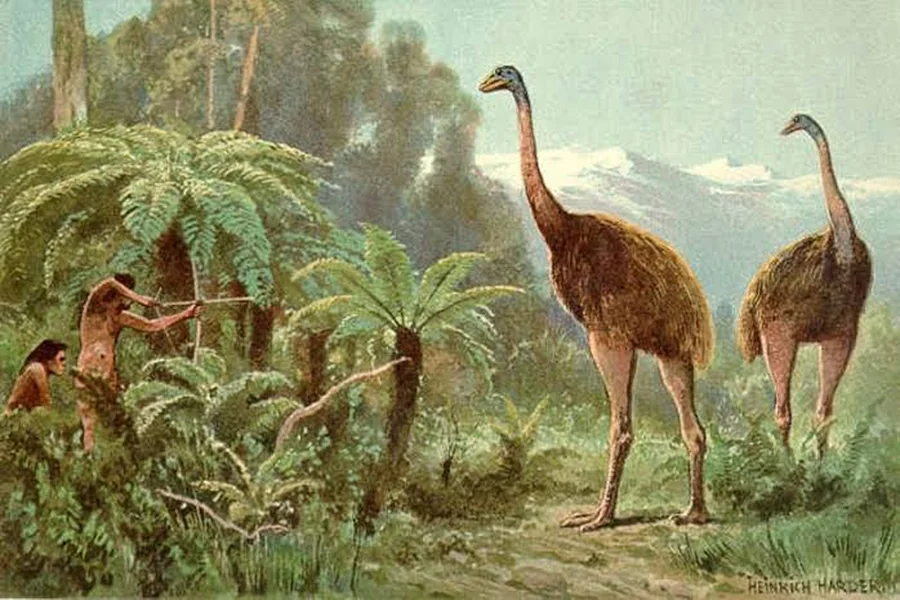
Moa lived only in New Zealand and nowhere else on earth. Scientists have identified about nine known species, ranging from birds the size of a turkey to giants taller than most grown men. These facts about moa show why this bird still stands out among every species, living or extinct.
Here is a quick snapshot before we go deeper.
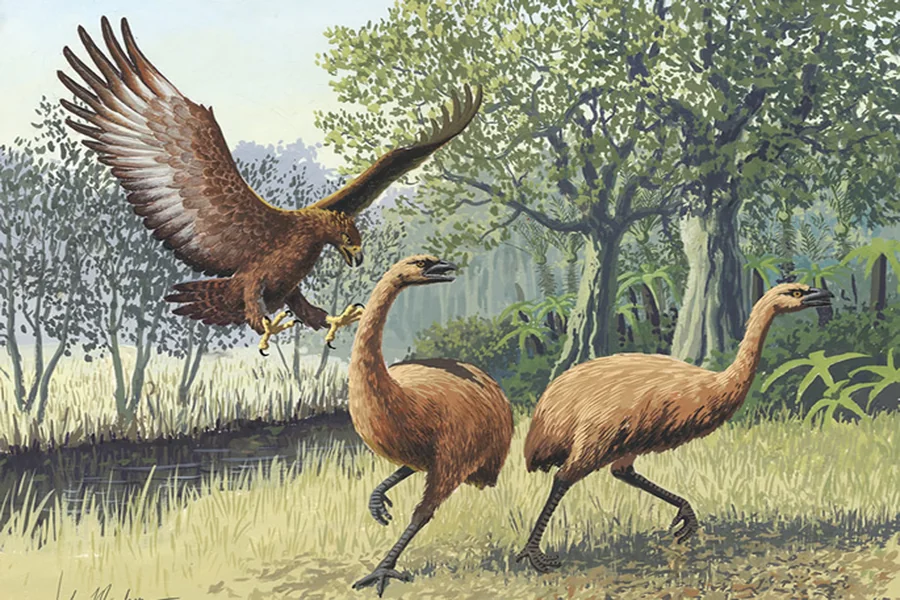
Quick Facts About Moa
| Category | Detail |
| Height (largest species) | Up to 3.6 meters with neck stretched upward |
| Weight | Up to 230 kg |
| Habitat | Forests and grasslands across New Zealand |
| Diet | Leaves, shoots, fruit, and twigs |
| Wings | None at all, not even small hidden ones |
| Closest living relative | The tinamou, a small flying bird from South America |
| Number of species | About 9 |
| Extinction | Roughly 600 years ago |
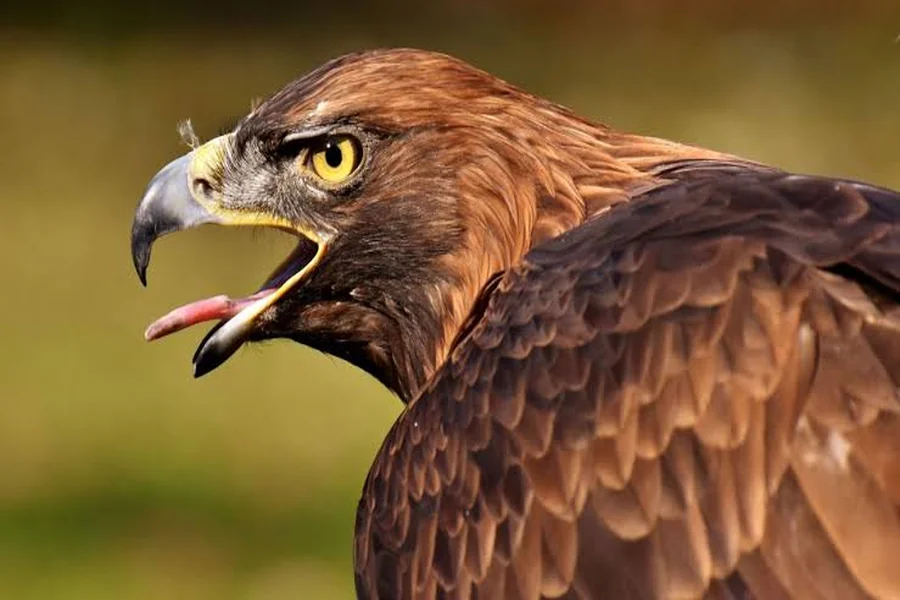
| Main predator | Haast’s eagle |
How Big Were Moa Birds
The size of the species was very different. The South Island giant moa was on top of the list, and females were slightly larger than males. The smaller species, such as the bush moa, remained at the size of a large turkey. One of the less obvious facts about moa is that they weren’t all that big!
Did Moa Have Wings
No, Moa didn’t have any wings, not even small vestigial ones. Even today, many flightless birds, such as ostriches and emus have small bones from their ancestors’ wings. Moa lost all of their. This is one of the few points that even most basic moa informationers do not know, but it is one of the most interesting points to learn about moa in history.
What Did Moa Eat
Moa were herbivores. They fed on the leaves, shoots, fruit and twigs of the various native and exotic forest trees throughout New Zealand. In fact, many of the native plants developed over time low, branching growth patterns which were probably a strategy to avoid moa feeding on their young shoots. That little detail alone is evidence enough of how much these birds influenced the plants, before anyone recorded facts about the moa for the rest of the world to read.
Why Did Moa Go Extinct
There was little competition for Moa’s food sources, except for Haast’s eagle, for most of their history. This was until humans arrived in New Zealand around the end of the 1200s. Hunting and habitat loss went swiftly and by about 200 years, the moa had disappeared forever. This was a fast extinction compared to most, which is why there is still a lot of interest in the facts of the moa today.
Meanings Across Platforms
The word moa shows up in more than one context online. Here is how it changes depending on where you see it.
Read More: Marine Iguana Fun Facts That Will Blow Your Mind
Meanings Across Platforms
| Platform or Context | Meaning | Example |
| Biology and history | Extinct giant flightless bird from New Zealand | “Facts about moa show it had no wings at all” |
| Firearms and shooting | MOA, short for Minute of Angle, a measurement of accuracy | “This scope adjusts in quarter MOA clicks” |
| Business documents | MOA, short for Memorandum of Agreement | “Both companies signed an MOA before the deal closed” |
| Travel and shopping | MOA, short for Mall of America | “We spent the whole afternoon at MOA” |
| Casual online slang | Used loosely as “mother of all” | “That was the MOA of plot twists” |
Similar Terms and Alternatives
A few related terms come up often alongside moa. This table breaks down how they connect.
Similar Terms and Alternatives
| Term | Meaning or Use |
| Moa bird | Common way to refer to the extinct bird itself |
| Ratite | Group of flightless birds that includes moa, ostrich, emu, and kiwi |
| Megafauna | General term for very large extinct animals like moa |
| Haast’s eagle | The only known predator capable of hunting adult moa |
| Tinamou | Closest living relative of the moa |
| Elephant bird | Similar giant flightless bird from Madagascar, also extinct |
FAQs :
What is a moa?
Moa is an extinct large flightless bird which once lived in New Zealand.
Are moa still alive today?
No, moa died out about 600 years ago, soon after the arrival of man in New Zealand.
How tall was the biggest moa?
The South Island giant moa could grow to be nearly 3.6m tall when its neck is extended.
Did moa have wings?
No, moa didn’t have wings – not even small, secret ones, like other birds do.
What did moa eat?
Moa, a group of herbivores, consumed leaves, shoots, fruit and twigs in NZ forests.
What caused the extinction of moa?
Moa died out primarily due to human hunters and habitat destruction since the arrival of humans in NZ.
What ate moa?
Haast’s eagle was the only natural predator that was large enough to hunt adult moa birds.
How many types of moa were there?
Nine species of moa have been identified, which ranged in size and weight.