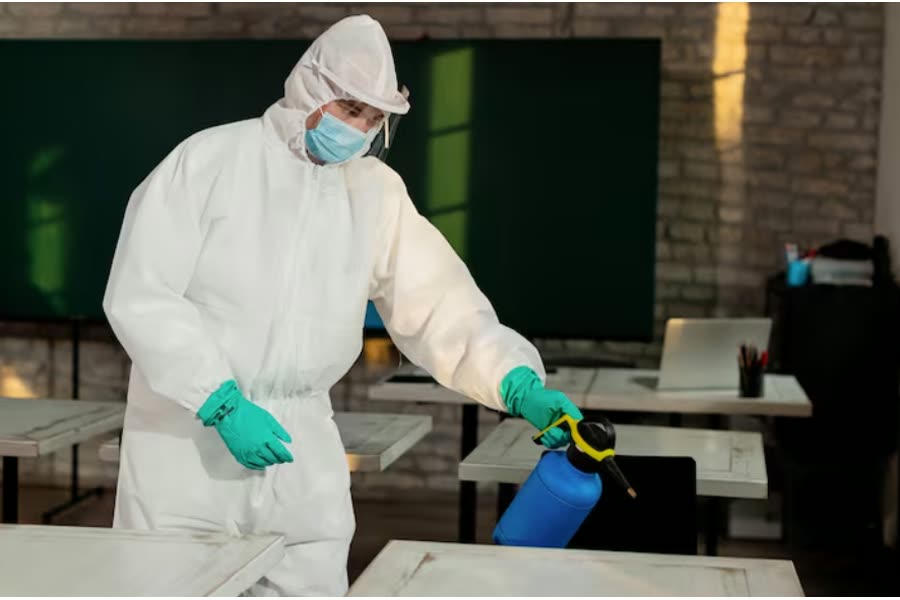
Bed bugs are among the most difficult household pests to manage because of their small size, ability to hide, and capacity to spread from one location to another. These insects can affect homes, hotels, apartments, and other shared spaces, creating discomfort for occupants and making everyday activities stressful. Effective bed bug pest removal requires more than simply treating visible insects. It involves understanding their behaviour, identifying infestation signs, choosing suitable treatment methods, and taking steps to prevent them from returning.
Although bed bugs are not known to spread diseases to humans, their bites can cause itching, skin irritation, and disturbed sleep. A prolonged infestation may also create anxiety and frustration, especially when the insects continue to appear despite cleaning efforts. Taking action early and using a well-planned approach can make the problem easier to manage.
Understanding Where Bed Bugs Hide and How They Spread
Bed bugs, scientifically known as Cimex lectularius, are small insects that feed on the blood of humans and other warm-blooded animals. They are generally more active at night, when people are resting. During the day, they hide in dark, narrow spaces close to areas where people sleep or spend extended periods.
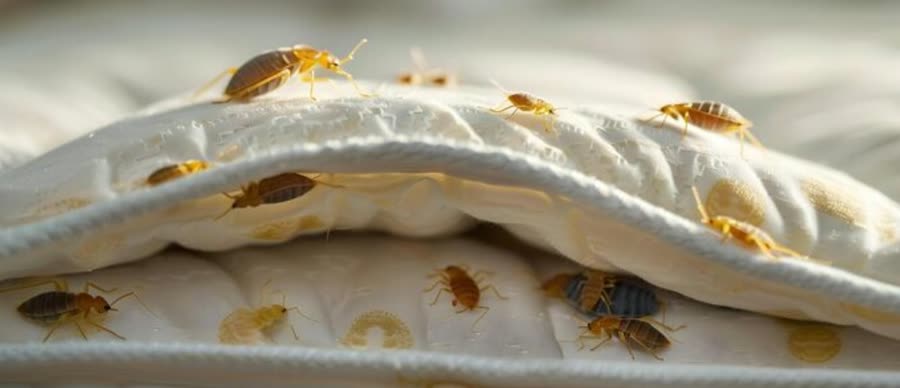
Common hiding places include mattress seams, bed frames, headboards, furniture joints, cracks in walls, and gaps along skirting boards. Their flat bodies allow them to squeeze into spaces that may be difficult to inspect. This makes them challenging to find, particularly during the early stages of an infestation.
Bed bugs do not fly or jump, but they can move between nearby hiding places and travel with personal belongings. Luggage, clothing, used furniture, and bedding can carry them into previously unaffected properties. Once they find a suitable place to feed and reproduce, their numbers can increase if the infestation is left untreated.
Recognising the Early Signs of an Infestation
Identifying bed bugs early can help prevent a small problem from becoming more difficult to control. One possible warning sign is the appearance of itchy red marks on the skin after sleeping. These bites may appear in clusters or lines, although their appearance varies from person to person. Some people may not develop noticeable reactions at all, so skin marks alone cannot confirm the presence of bed bugs. For related reading, see planning a furniture move in Singapore.
Physical evidence is often more reliable. Small dark spots on mattresses, bed frames, and nearby furniture may be bed bug droppings. Rust-coloured stains on sheets can also appear when insects are accidentally crushed. Other signs include shed skins, tiny pale eggs, and live insects hiding around sleeping areas.
A careful inspection should focus on mattress edges, seams, bed frames, headboards, and furniture close to the bed. Checking these areas with a torch can make small insects and other evidence easier to spot. If several signs are present, a professional inspection can help confirm the problem and determine how widely the insects have spread.
Using Non-Chemical Methods to Control Bed Bugs
Non-chemical methods are an important part of an effective bed bug control plan. These techniques can reduce insect numbers and support professional treatments without relying entirely on pesticides. However, they must be applied carefully because missing hidden insects or eggs can allow the infestation to continue.
Vacuuming is one practical way to remove visible bed bugs from accessible surfaces. Mattress edges, bed frames, carpets, furniture joints, and nearby floor areas should receive particular attention. After vacuuming, the contents should be sealed in a bag and disposed of properly to avoid spreading any captured insects.
Steam treatment can also help because sufficiently high temperatures can kill bed bugs and their eggs when applied directly. The steam must reach the affected surfaces and hiding areas, and the treatment needs to be performed at an appropriate pace. Mattresses and furniture should be checked for material compatibility before steam is applied.
Mattress and box spring encasements provide another useful layer of protection. These specially designed covers trap insects already inside and reduce the number of places where new bed bugs can hide. They should remain properly sealed and undamaged according to the manufacturer’s instructions.
When Professional Chemical Treatments Are Necessary
Some infestations are too widespread for household cleaning methods alone. In these situations, professional chemical treatment may be needed as part of a wider pest management programme. Pest control specialists can assess the affected areas, select suitable products, and apply them according to safety requirements.
Different insecticides work in different ways, and bed bugs have developed resistance to certain commonly used chemicals. This means that applying the same product repeatedly may not always provide the expected results. Professionals consider the level of infestation, the location of hiding places, and the suitability of available treatments before deciding on an approach.
Chemical products should never be mixed or applied beyond their label instructions. Incorrect use can expose people and pets to unnecessary risks while failing to eliminate the infestation. Following preparation instructions and observing any required re-entry periods are important parts of safe treatment.
How Professional Heat Treatment Works
Heat treatment is another option for dealing with bed bugs, particularly when insects are hiding in areas that are difficult to reach with surface applications. The process involves raising the temperature of an affected room or area to a level that is lethal to bed bugs and their eggs.
One advantage of professional heat treatment is that it does not rely on insecticide application throughout the treated space. Properly managed heat can reach furniture, cracks, and other hiding places where bed bugs may remain concealed. However, the entire treatment area must reach and maintain suitable temperatures for the required period.
Specialised equipment and trained technicians are necessary because heat distribution can vary between different parts of a room. Poor temperature control may leave surviving insects behind, while excessive heat can damage certain belongings. A professional assessment helps determine whether the property is suitable for this method.
Why Inspection and Follow-Up Monitoring Matter
Successful bed bug control does not end after the first treatment. A detailed inspection helps identify the extent of the infestation and determine which rooms, furniture items, and surrounding areas require attention. Pest control professionals may use monitoring devices and traps to check for remaining activity.
Follow-up inspections are particularly important because eggs or hidden insects may survive an incomplete treatment. Monitoring also helps determine whether additional work is necessary and whether the chosen control methods are producing results.
Property owners should follow the technician’s recommendations after treatment. This may include keeping certain areas undisturbed, maintaining protective mattress covers, and reporting any new signs of insect activity. Regular monitoring provides a better chance of identifying problems before they become widespread again.
Preventing Bed Bugs From Entering Your Property
Prevention starts with being careful about items brought into the home. Second-hand beds, sofas, mattresses, and other furniture should be inspected before they are placed indoors. Paying attention to seams, joints, and hidden corners can help identify possible signs of infestation.
Travellers should also take precautions when staying in hotels or other accommodation. Checking mattress seams and headboards for insects or dark spots can help identify potential problems. Keeping luggage on a raised rack rather than directly on the floor may reduce the chance of insects reaching personal belongings.
After travelling, inspect luggage before storing it and wash suitable clothing using the hottest temperature allowed by the care label. A clothes dryer can also help when the fabric permits an appropriate heat setting. These simple habits can reduce the risk of bringing bed bugs home.
The Importance of Awareness and Community Cooperation
Bed bug problems can affect more than one household, particularly in apartment buildings, hotels, and other shared properties. Insects may move between adjoining units through gaps and shared spaces, making individual treatment less effective when neighbouring infestations are ignored.
Property managers, tenants, and pest control professionals should communicate when bed bugs are suspected. Coordinated inspections and properly planned treatments can address affected areas more effectively. Public awareness is equally important because recognising early warning signs encourages people to seek help before the problem spreads.
Taking a Complete Approach to Long-Term Bed Bug Control
Managing bed bugs requires a combination of early detection, suitable treatment, professional guidance, and consistent prevention. Vacuuming, steam, protective encasements, chemical applications, and heat treatment can all play a role depending on the condition of the property. No single method is guaranteed to solve every infestation, which is why the treatment plan should match the situation.
If bed bugs continue to appear despite cleaning and household efforts, seeking professional assistance is a practical next step. Experienced pest control specialists can identify hiding places, recommend suitable solutions, and arrange follow-up monitoring. For additional support with inspection and treatment, visit The Pest Man and explore professional options for keeping your property comfortable and free from unwanted pests.