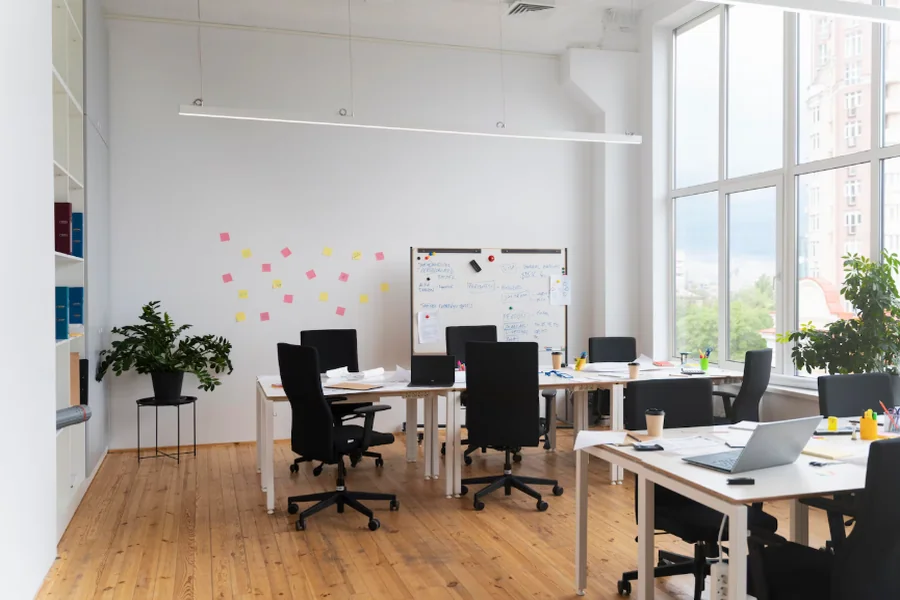
Finding an office for rent in Singapore involves more than choosing a building in a convenient location. The space needs to support your team’s daily activities, accommodate future changes and fit within the company’s operating budget. A suitable office also gives employees a practical place to work while providing a professional setting for meetings and business operations.
When looking for an office for rent in Singapore, companies have several factors to compare before committing to a rental. Options range from traditional commercial units to fitted offices in larger business developments, each with different costs, facilities and lease arrangements. Understanding these considerations early helps narrow the search and reduces the risk of choosing a space that becomes unsuitable after the business moves in.
Start With Your Business Requirements
Before viewing properties, establish what your company needs from its next office. Consider the number of employees, the type of work they perform and how often staff members are expected to be on-site.
A business with a large administrative team might need an open-plan layout with individual workstations. A consultancy or professional services firm could place greater importance on private meeting rooms and quiet areas for client discussions. Companies that handle confidential information might also need enclosed rooms with suitable access controls.
Think about future staffing plans as well. Renting a space that accommodates only your current headcount could create difficulties if the team expands during the lease. On the other hand, taking a much larger office than necessary means paying for unused floor area.
Having a realistic space requirement makes property comparisons more useful and helps prevent unnecessary spending.
Choose a Location That Works for Employees and Clients
Location affects how easily people reach the office and how convenient daily operations become. Singapore has commercial districts with different business environments, transport connections and rental considerations.
The Central Business District is often considered by companies that regularly meet clients, work with financial institutions or need a prominent business address. Areas outside the main central district might offer alternatives for businesses that prioritise affordability, access to residential neighbourhoods or proximity to suppliers.
Check the distance between the property and the nearest MRT station or bus stops. Consider walking routes, sheltered access and the availability of parking for employees and visitors who drive.
Nearby amenities also influence the working day. Food outlets, banks, childcare facilities and retail services can make a location more convenient for staff. If clients visit frequently, consider whether the building is easy to find and has suitable visitor access.
Assess the Office Layout and Usable Space
The advertised floor area does not always tell you how practical an office will be. During a viewing, examine the actual layout and consider how much usable space remains after accounting for columns, corridors, fixed partitions and other structural features.
Look at the arrangement of workstations, meeting rooms and shared facilities. Check whether there is enough room for employees to move comfortably and whether the layout allows different teams to work without unnecessary disruption.
Natural lighting, ventilation and noise levels deserve attention too. An office that looks spacious during a short viewing might feel less comfortable when occupied by a full team throughout the day.
If the unit requires renovation or partition work, ask whether the proposed changes are permitted and whether building management approval is needed. Clarify who is responsible for the work and whether the office must be reinstated to its original condition at the end of the lease.
Calculate the Full Cost of Renting an Office
Monthly rent is only one part of the financial commitment. Companies should calculate the expected occupancy costs before deciding whether a property fits their budget.
Depending on the property and lease arrangement, additional expenses might include a security deposit, service charges, utilities, internet access, cleaning, maintenance and insurance. Businesses planning to customise the space should also account for renovation, furniture, equipment and moving costs.
Ask the landlord or property agent for a clear breakdown of the payable amounts. Confirm whether quoted rent includes applicable building charges and whether there are any additional costs associated with the use of shared facilities.
It is also important to understand the payment schedule. Check when deposits and rental payments are due, how late payments are handled and what conditions apply to the return of the security deposit.
Preparing a complete cost estimate gives your business a more realistic picture of what the office will require financially.
Review the Lease Terms Before Signing
An office lease creates obligations for both the landlord and tenant. Before signing, read the agreement carefully and clarify any terms that are unclear.
Pay particular attention to the lease duration, renewal options, rent review arrangements and permitted use of the premises. Check whether the agreement includes an early termination provision and what conditions apply if your business needs to relocate before the lease expires.
Maintenance responsibilities should also be clearly stated. Determine who handles repairs to air-conditioning systems, plumbing, electrical installations and other building components. The agreement should explain which costs fall under the tenant’s responsibility.
Reinstatement requirements deserve special attention, particularly if the office will undergo renovation. Some landlords require tenants to remove alterations and restore the unit to its original condition when the lease ends. Understanding this obligation early helps avoid unexpected expenses later.
For significant commitments, consider obtaining professional advice on the lease before signing.

Check Building Facilities and Operating Conditions
A suitable office should support your business beyond the individual unit. Building facilities and management arrangements can influence employee comfort and everyday productivity.
Check the availability of lifts, toilets, loading areas, meeting facilities and visitor parking. If your team works outside conventional office hours, confirm building access arrangements and whether additional charges apply for air-conditioning or other services.
Internet connectivity is another important consideration. Ask about available service providers and whether the unit has the necessary infrastructure for your company’s requirements.
You should also enquire about building maintenance schedules, security arrangements and procedures for reporting faults. A well-managed building helps reduce disruptions and makes the office easier to operate.
Plan for Future Business Changes
An office that suits your company today should remain practical as its needs change. Consider whether the layout allows additional workstations, whether meeting areas can be reconfigured and whether the lease offers enough flexibility for plans.
If the business expects significant growth, compare the cost of renting a larger unit now with the potential expense and disruption of relocating later. If staffing levels are uncertain, a shorter commitment or a more flexible office arrangement might be worth considering.
The right decision depends on your expected growth, financial position and operational requirements. Avoid choosing a property based entirely on immediate needs without considering how the business might develop during the lease.
Final Thoughts
Finding the right office for rent in Singapore requires a clear understanding of your business requirements, budget and preferred location. A property that looks suitable during a viewing still needs to meet practical expectations around layout, building facilities and lease conditions.
Compare several options, inspect each space carefully and review the full rental commitment before making a decision. Taking time to assess these details helps your business secure an office that supports its operations without creating avoidable costs or complications.