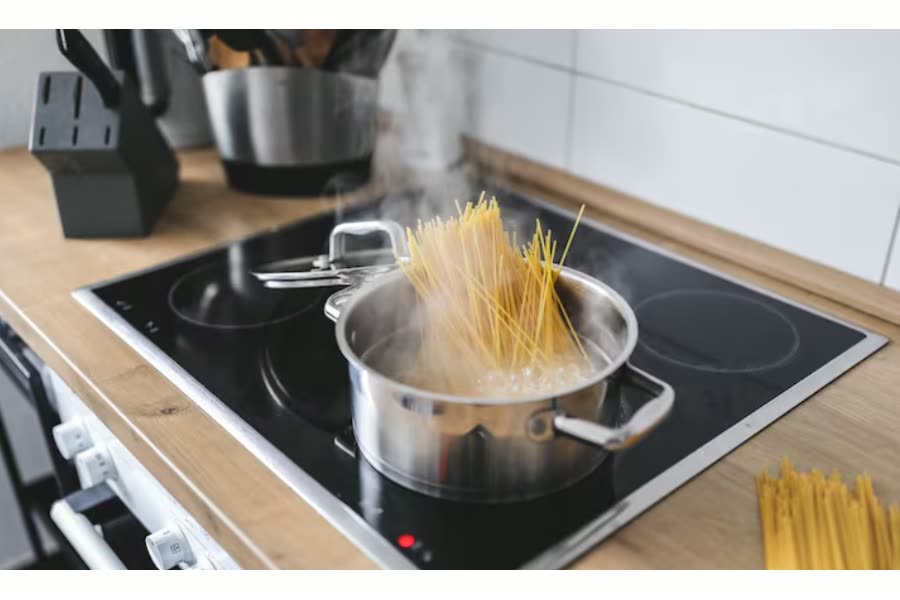
A well-designed kitchen depends on appliances that make everyday cooking easier while complementing the overall look of the space. Among these essential appliances, the hob plays an important role because it is where much of the meal preparation takes place. Whether someone enjoys preparing simple family dinners or experimenting with different recipes, choosing the right cooker hob can make a noticeable difference in the cooking experience. Modern kitchens offer several options, including gas, electric, ceramic, and induction models, each with its own features and advantages.
Understanding how these appliances work can help homeowners choose a model that suits their cooking habits, available kitchen space, and budget. With different designs and technologies available, there is no single hob that works best for every household.
Understanding the Purpose of a Modern Hob
A hob is a cooking appliance installed on a kitchen worktop or countertop, providing a surface for heating pots and pans. It can be installed as part of a built-in kitchen arrangement or incorporated into a larger cooking setup, depending on the available space and design.
Traditional cooking appliances were often focused mainly on providing heat. Modern hob units, however, combine practical cooking functions with features that improve convenience and safety. Many models now include adjustable controls, automatic shut-off functions, heat indicators, and surfaces designed for easier cleaning.
The right choice depends largely on how a household cooks. Someone who prepares several dishes at once may need multiple cooking zones, while a smaller household might prefer a compact model that takes up less counter space. Considering these everyday needs before purchasing can prevent unnecessary spending on features that may not be used.
Gas Hobs for Familiar and Flexible Cooking
Gas hobs remain a popular option because they provide direct heat through an open flame. One of their main advantages is the ability to adjust the flame immediately when changing cooking temperatures. This can be particularly useful for recipes that require frequent heat adjustments, such as stir-frying, simmering, or preparing sauces. For related reading, see planning a furniture move in Singapore.
Another benefit is their compatibility with many types of cookware. Stainless steel, cast iron, and other suitable pots and pans can generally be used on gas burners without requiring special magnetic properties. This makes gas cooking familiar to households that already own a variety of cookware.
Gas hobs are available in different sizes and burner configurations. Some models feature several burners with varying heat outputs, allowing users to prepare different dishes at the same time. Their surfaces may be made from stainless steel or tempered glass, depending on the design.
However, gas appliances require proper installation and ventilation. The burners, grates, and surrounding areas also need regular cleaning because food spills and grease can collect around them. Homeowners should check that the appliance has appropriate safety features, such as a flame failure device that stops the gas supply if the flame goes out.
Electric and Induction Hobs for Modern Kitchens
Electric hobs provide heat through electrical elements beneath the cooking surface. Depending on the model, they may use exposed heating elements or a smooth glass surface. They offer a straightforward cooking experience and can provide consistent heat for everyday meal preparation.
Induction hobs use a different technology. Instead of heating a burner or cooking surface first, they use electromagnetic energy to heat compatible cookware directly. This allows them to respond quickly to temperature adjustments and can make cooking more efficient.
One advantage of induction cooking is that the surrounding surface generally remains cooler than the cooking vessel, although it can still become hot from contact with the pan. Many models also include features such as automatic pan detection, timers, and child safety locks.
Induction hobs do require compatible cookware. Pots and pans must have a magnetic base that works with the appliance. Homeowners may need to replace some existing cookware before switching to this type of cooking system. Electrical requirements should also be checked to ensure the kitchen can support the selected model.
Ceramic Hobs and Their Smooth Appearance
Ceramic hobs are often chosen for their clean and modern appearance. They usually feature a flat glass-ceramic surface with heating elements positioned underneath. This creates a smooth cooking area that fits well into contemporary kitchen designs.
Their flat surfaces are relatively easy to wipe down after cooking, provided spills are cleaned according to the manufacturer’s instructions. Without raised burners or removable grates, there are fewer separate components to maintain compared with many gas models.
Ceramic hobs are generally different from induction models, even though they may look similar. They heat the cooking zone first, which then transfers heat to the pan. As a result, they can take longer to respond to temperature changes and may remain hot after the appliance is switched off. Many models include residual heat indicators to warn users when a cooking zone is still warm.
For homeowners who value a simple design and easy surface cleaning, ceramic hobs can be a practical option. However, their heating performance and energy consumption should be compared with other types before making a decision.
Matching Hob Design with Kitchen Style
A hob is not only a functional appliance but also part of the kitchen’s overall appearance. Since built-in models are often positioned within the main worktop, their design can influence how the entire cooking area looks.
Black glass surfaces are common in modern kitchens because they create a clean, understated appearance. Stainless steel models may suit kitchens with traditional appliances or industrial-inspired finishes. Some units also feature minimal controls and slim edges to create a more integrated look.
The size and layout of the hob should match the available countertop space. A larger unit may provide more cooking zones, but it also requires enough room for safe installation and comfortable movement around the kitchen. Homeowners should consider the position of nearby cabinets, splashbacks, and ventilation equipment before selecting a model.
Important Factors When Choosing a Hob
The best hob depends on more than appearance or purchase price. Cooking habits should be one of the first considerations. People who regularly prepare meals using several pots may benefit from a model with multiple cooking zones, while those who cook occasionally may not need a large appliance.
The available energy supply is equally important. Gas models require a suitable gas connection, while electric and induction units need an appropriate electrical setup. Installation requirements can affect the overall cost, so it is worth checking these details before purchasing.
Budget should also include more than the initial price. Energy use, cookware compatibility, cleaning requirements, replacement parts, and expected maintenance costs can influence the long-term value of the appliance. Comparing product specifications and warranty coverage can help homeowners make a more informed decision.
Installation, Cleaning, and Everyday Safety
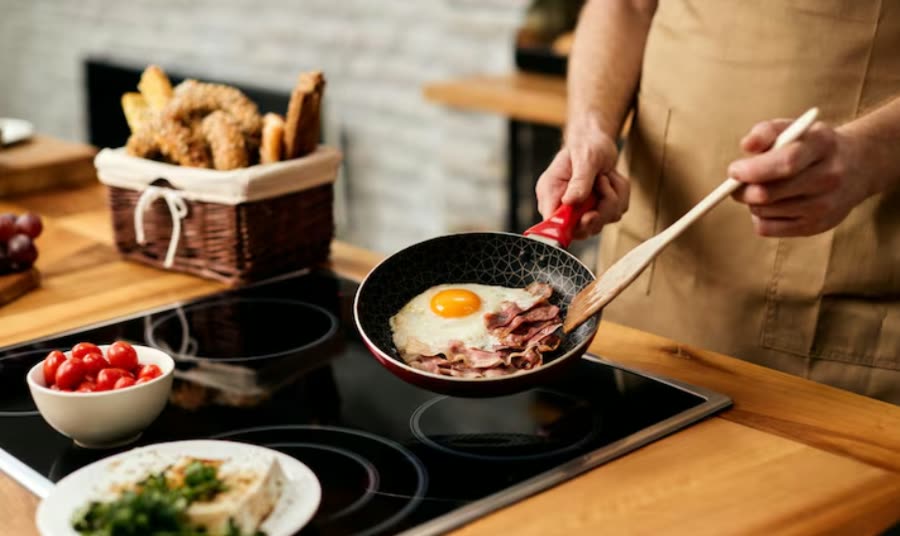
Correct installation is essential for reliable operation. Gas hobs should be installed by qualified professionals who can check the connections and ensure the appliance meets relevant safety requirements. Electric and induction models may require electrical work, particularly when the unit has a higher power rating.
Regular cleaning helps maintain both appearance and performance. Gas burners and grates should be cleaned according to the manufacturer’s guidance, while glass surfaces need suitable cleaning products that will not scratch or damage them. Spills should be removed carefully, especially when cooking zones are still warm.
Safety features should also be considered. Flame failure protection, automatic shut-off functions, overheating protection, and child locks can help reduce certain risks. However, these features do not replace careful use and regular inspection. Following the appliance manual is important for safe operation.
New Technology and the Future of Hob Appliances
Kitchen technology continues to develop, and hob manufacturers are introducing features designed to improve convenience and energy management. Some modern appliances include touch controls, flexible cooking zones, timers, and sensors that help regulate heating.
Smart connectivity is another developing area. Depending on the model, connected appliances may allow users to monitor certain functions through a smartphone application or integrate with other smart kitchen equipment. These features can be useful, although buyers should consider whether they genuinely need them.
Induction technology is also receiving attention because of its direct heating method and potential for efficient energy use. Improvements in control systems and cooking zone design may make these appliances increasingly practical for different households.
Finding a Hob That Fits Your Lifestyle
Choosing a kitchen hob is an important decision that affects everyday meal preparation, kitchen design, and household convenience. Gas models offer familiar flame control, electric and ceramic options provide straightforward cooking surfaces, and induction units deliver responsive heating with compatible cookware.
Before making a purchase, homeowners should compare performance, safety features, installation needs, maintenance requirements, and overall cost. The ideal appliance is not necessarily the most expensive or technologically advanced model. It is the one that suits the household’s cooking habits and fits comfortably into the kitchen.
With careful planning, the right hob can become a dependable part of the home, supporting daily cooking while contributing to a practical and well-organised kitchen.