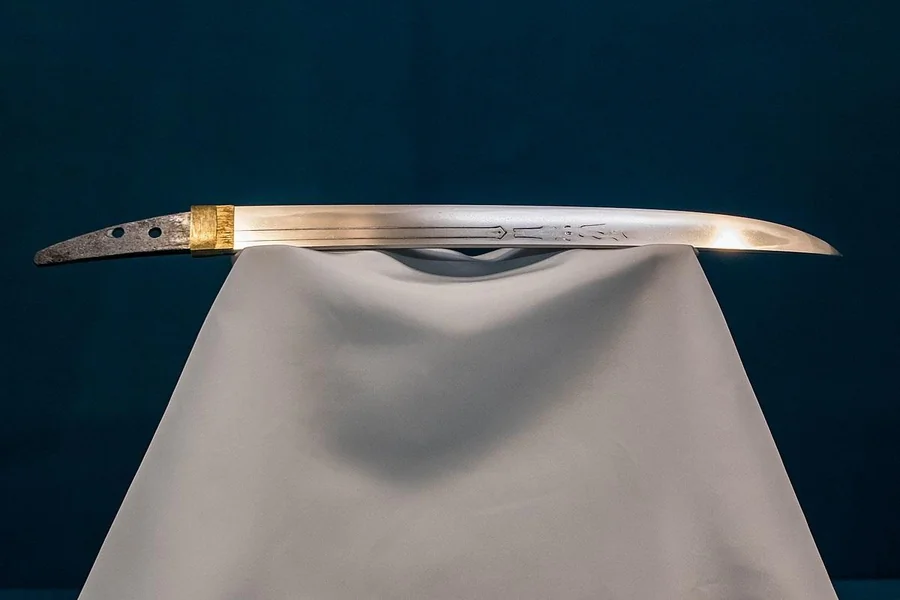
Famous japanese swordsmiths are not just weapons, but also items of importance. They are emblems of artistry, heritage and tradition. Artisans of the era of renowned Japanese swordsmiths have left their mark on sword collectors, martial artists and sword history enthusiasts of many generations. They are known for their sharpness, balance, durability and beauty.
Many of the greatest swordsmiths of renown have been around for hundreds of years. But still their names echo in the world for their swords are still considered the best.
Famous Japanese Swordsmiths: Quick Answer
Masamune, Muramasa, Kotetsu, Yoshimitsu, Kanemitsu, Nagamitsu, and Kiyomaru are well-known Japanese swordsmiths. It was these masters who produced some of the most priceless and historically significant Japanese swords ever produced. They are much sought after by collectors and museums.
Who Was The Most Famous Japanese Swordsmith?
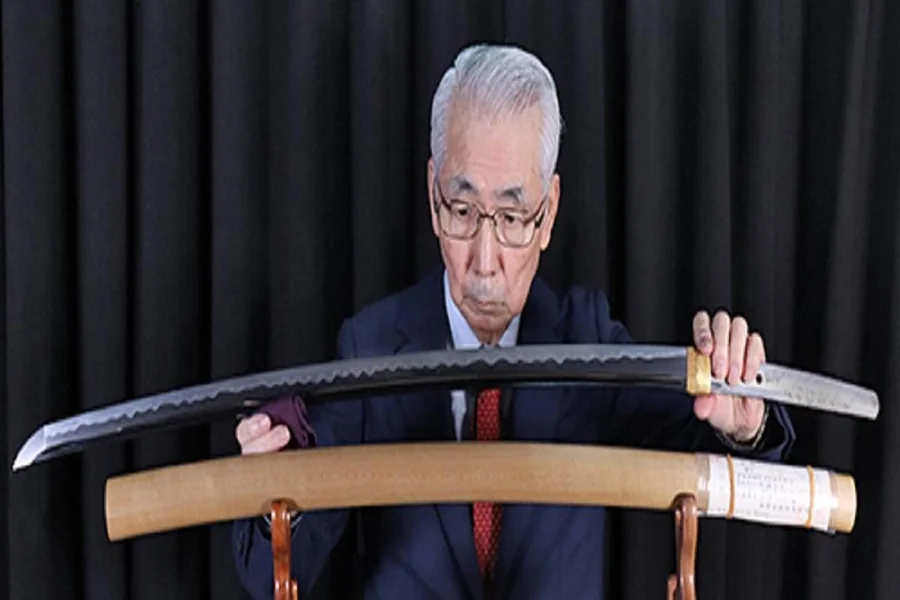
The renowned Japanese swordsmiths are considered to have no better smith than Masamune.
His swords are known for their both strength and flexibility. Often beautiful temper patterns and exceptional cutting performance was seen in the blades of Masamune.
A number of his original works have become national treasures in Japan. The word Masamune is still synonymous with perfection in the making of swords today.
Why Masamune Stands Out
- Made swords that were well balanced
- Employed high level forging skills
- Influenced generations of Sword-smiths
- Manufactured blades deemed as “national treasures”
- Still considered the standard for swords.
Famous Japanese Swordsmiths At A Glance
| Swordsmith | Active Period | School/Region | Known For |
| Gorō Nyūdō Masamune | Late 13th–Early 14th Century | Sagami | Considered Japan’s greatest swordsmith |
| Sengo Muramasa | 15th–16th Century | Ise | Extremely sharp blades and legendary reputation |
| Nagasone Kotetsu | 17th Century | Edo | Durable swords favored by warriors |
| Awataguchi Yoshimitsu | 13th Century | Kyoto | Fine craftsmanship and elegant blades |
| Osafune Kanemitsu | 14th Century | Bizen | Strong and practical swords |
| Osafune Nagamitsu | 13th Century | Bizen | High-quality military swords |
| Minamoto Kiyomaro | 19th Century | Shinshinto Era | Revival of traditional swordmaking |
Masamune: Japan’s Greatest Swordsmith
He was a swordsmith of the Kamakura period and was considered one of the greatest sword makers in Japanese history, Masamune.
His work laid the foundation of the Sagami tradition. There are multiple legends about his blades. Worn with precision, stories tell of swords that reflect the spirit of their maker.
Today, only a few authentic Masamune swords are available. Their historic significance has grown, given that they are rare.
Muramasa: The Swordsmith of Legends
Muramasa is one of the most controversial sword makers among the known Japanese sword makers.
His swords were known for their unsurpassed sharpness. As the years went on, tales developed about the cursed Muramasa blades. These stories linked his swords with violent incidents of great families.
Historians regard these tales as folklore, but they contributed to Muramasa’s fame as a swordsmith.
Why Muramasa Is Famous
- Exceptional cutting ability
- Distinctive blade patterns
- Rich folklore and legends
- Strong influence on popular culture
Kotetsu: The Samurai Favorite
In the Edo period, Kotetsu was one of the most renowned Japanese sword makers.
His swords were relied upon and durable. Kotetsu blades were popular among warriors due to their effectiveness in combat.
True Kotetsu swords are still very precious today. They are sometimes regarded by collectors as one of the finest pieces of Edo-period craftsmanship.
Yoshimitsu: Master Of Fine Detail
Awataguchi Yoshimitsu was more skilled in the making of smaller blades, like tantō.
His work is highly commended for accuracy and beauty. His swords have been noted for their highest quality steel and exquisite forging.
Several remaining Yoshimitsu blades are considered to be cultural assets in Japan.
Kanemitsu And The Bizen Tradition
The Bizen area was known for the production of some of Japan’s best swords. Kanemitsu was a leading master of the school.
His swords were both beautiful and effective on the battlefield. This equilibrium made them favourites among warriors and military chiefs.
The Bizen style was one of the most influential of Japanese sword-making schools.
Characteristics of Kanemitsu Swords
| Feature | Description |
| Steel Quality | Strong and consistent |
| Temper Pattern | Distinct and attractive |
| Durability | Suitable for combat |
| Reputation | Highly respected among samurai |
Nagamitsu: A Key Figure In Japanese Swordmaking
The other name that we hear with regards to famous Japanese swordsmiths is that of Nagamitsu.
In the Bizen style, he was making swords renowned for their quality and dependability. He was commissioned to work by many military leaders throughout periods of conflict.
Nowadays, Nagamitsu blades are not only used for their aesthetic beauty but also for their historical significance.
Kiyomaro: The Last Great Master
Traditional sword making had undergone a lot of changes by the 19th century. However, Kiyomaro revived interest in the traditional forging techniques.
Many historians consider him to be the best swordsmith of the Shinshinto period.
His blades were inspired by previous masters, but modified in his own style and originality in forging and design. For this reason Kiyomaro has a unique significance in Japanese sword history.
What Made These Swordsmiths Exceptional?
The best Japanese sword makers had a number of common attributes:
Advanced Forging Techniques
They skillfully folded and forged steel for strength and to minimize impurities.
Attention to Detail
All production aspects were carefully monitored. Every aspect of the blade’s precision, from its shape to the final edge polishing, was crucial.
Unique Temper Patterns
The hamon or visible temper line became a hallmark of the style of each swordsmith.
Continuous Innovation
The most esteemed masters made improvements upon rather than duplication of what had already been done.
How Japanese Swordsmiths Made Katanas
In the past, there were many steps to making a sword:
- The process of using iron sand to make steel.
- Choosing quality steel components
- Folding and forging the metal
- Shaping the blade
- Using clay to achieve differential hardening.
- The sword is heated to make it stronger.
- Polishing and sharpening
- Final inspection and mounting
This could take weeks or even months to carry out.
Why Famous Japanese Swordsmiths Still Matter Today
The history of the great Japanese swordsmiths goes beyond the realm of military history.
Their work influences:
- Modern swordmakers
- Martial arts practitioners
- Museums and cultural institutions
- Historians and researchers
- Collectors worldwide
There are a lot of swords which are preserved as cultural assets. They are an insight into Japanese craftsmanship, technology, and art.
Collecting Swords From Famous Japanese Swordsmiths
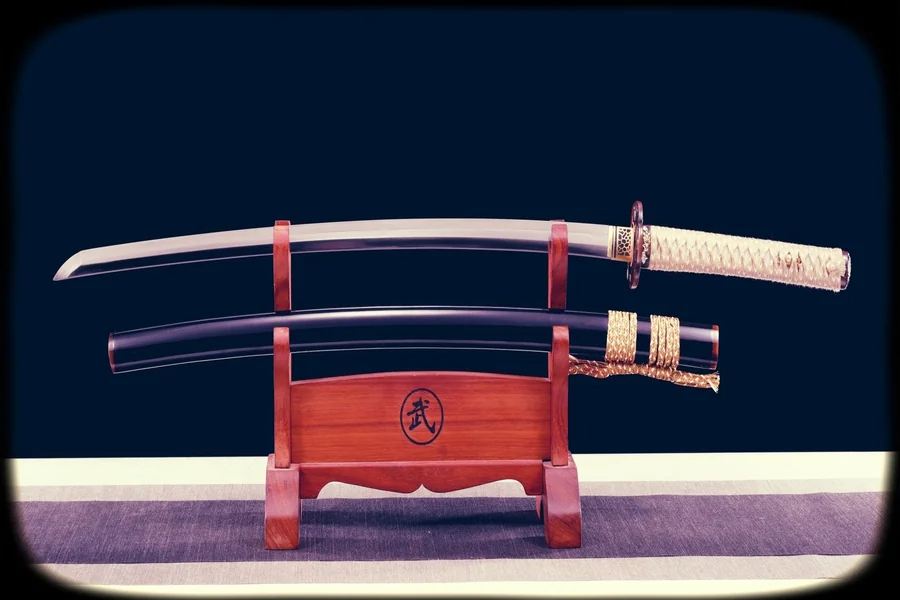
Rarity and historical significance are key factors in collectors’ interest in blades made by legendary masters.
There are a number of things that can impact a sword’s value:
| Factor | Importance |
| Proven authenticity | Very High |
| Historical significance | High |
| Physical condition | High |
| Rarity | High |
| Documentation | Medium to High |
Top masters can sell authentic swords for significant amounts at auctions and private sales.
Conclusion
The tale of the Famous Japanese swordsmiths makers is a history of the passing of the craft skills from generation to generation. Swordmaking became an art form, for the masters of the sword: Masamune, Muramasa, Kotetsu, Yoshimitsu, Kanemitsu, Nagamitsu, Kiyomaro.
Their blades are still considered valuable today for several reasons, including their high quality and historical significance, as well as their technical expertise. In the hobby and in museums these swords continue to be sought after and continue to hold the reputation of Japanese swordmaking for which it was renowned, and which continues to this day.
FAQs:
Who is the most famous Japanese swordsmith?
Masamune is widely regarded as the most famous and influential Japanese swordsmith in history.
Why are Muramasa swords famous?
Muramasa swords are known for exceptional sharpness and the legends that describe them as cursed blades.
What is the most valuable Japanese sword?
Several swords attributed to Masamune rank among the most valuable and historically important Japanese blades.
Are authentic swords from famous Japanese swordsmiths still available?
Yes. Some authentic examples survive in museums, private collections, and cultural institutions.
Which Japanese swordmaking school was most influential?
The Bizen and Sagami traditions are generally considered among the most influential schools in Japanese swordmaking history.
What makes a Japanese sword valuable?
Authenticity, historical importance, rarity, condition, and documented ownership history are major factors.