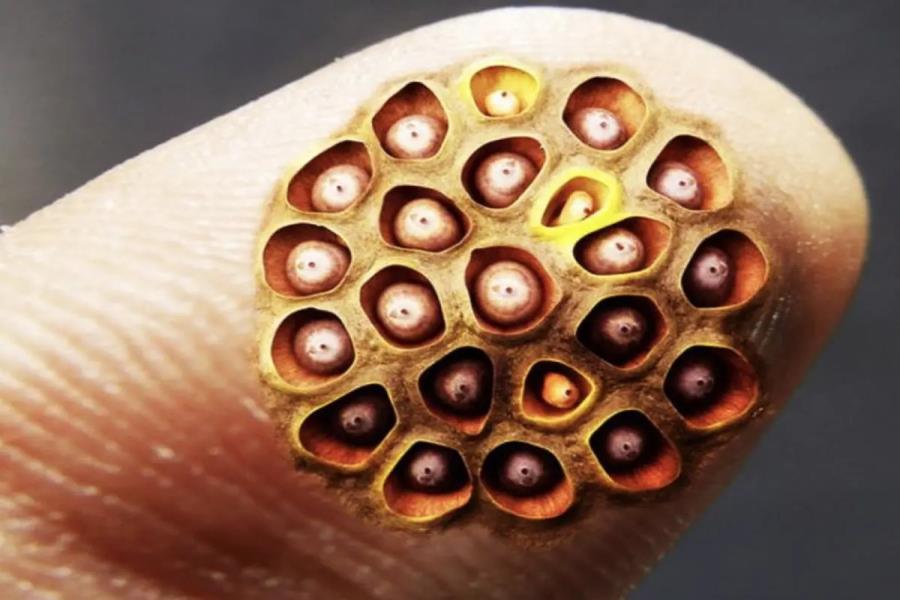
Have you ever been in a bunch of little holes and been uneasy without any obvious explanation? The meaning of Trypophobia Meaning is frequently connected with that weird response. It is a term that is sought by many when they experience a sudden feeling of fear or disgust at the sight of patterns such as honeycombs or lotus seed pods. It feels real. It feels strong. But the reason why it occurs is not comprehended by many people.
Let’s break it down in a simple way.
Trypophobia Meaning
The term trypophobia meaning refers to a strong reaction to clusters of small holes or bumps. It is not always fear. For many people it feels more like disgust. Others feel itchy. Some even feel anxious.
The word comes from two parts. “Trypo” means holes. “Phobia” means fear. But experts still debate if it is a true phobia.
Trypophobia is not officially listed in the Diagnostic and Statistical Manual of Mental Disorders. That means it is not recognized as a formal mental disorder. Still, the reaction is real for many people.
What Does Trypophobia Feel Like?
People describe the feeling in different ways. But most experiences are similar.
Here are common reactions:
- A sudden sense of discomfort
- Goosebumps or chills
- Itching skin
- Nausea
- A strong urge to look away
Some people even feel panic. Others just feel uneasy.
The reaction often happens quickly. It can appear within seconds of seeing the pattern.
Read Also: Uma North Age Aka Comatozze
Common Triggers of Trypophobia
Certain images or objects often trigger this response. These are things you may see in daily life.
- Honeycombs
- Lotus seed pods
- Coral formations
- Sponge surfaces
- Bubbles in foam
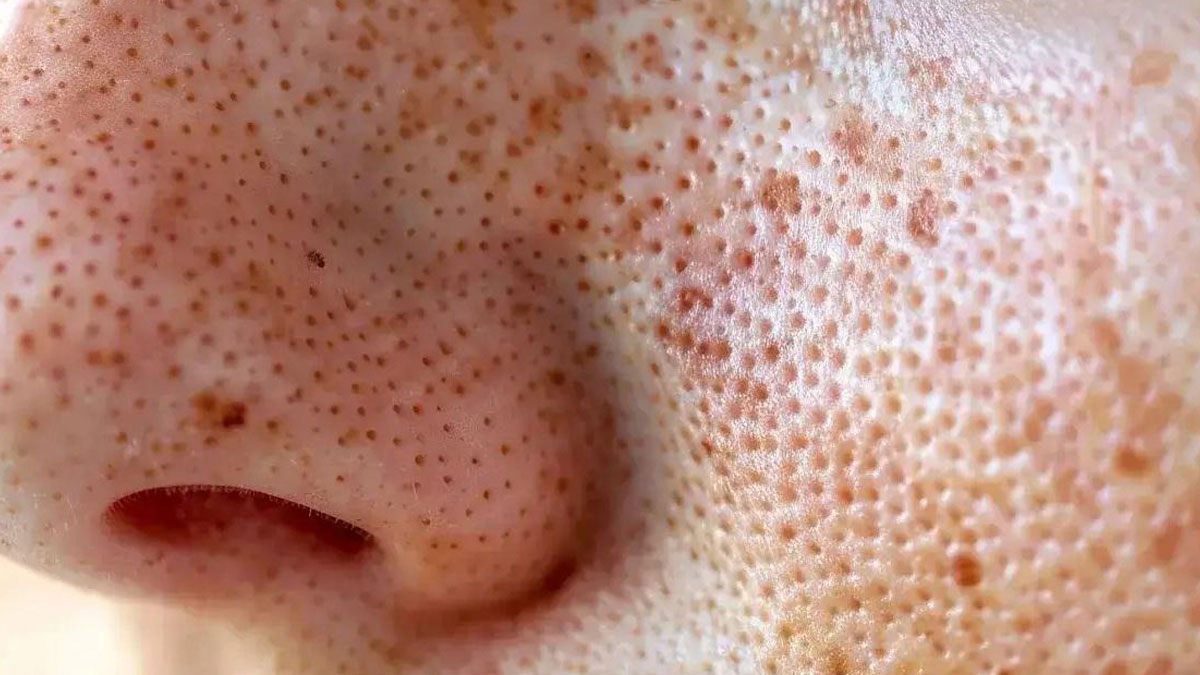
- Holes in skin or edited images
These patterns share one thing. They have repeated shapes grouped closely together.
That seems to be the key trigger.
Why Does Trypophobia Happen?
There is no answer. Nevertheless, scientists have some suggestions.
- Survival Instinct
Certain scholars are of the opinion that the brain associates such patterns with danger. Some of the dangerous animals are of the same pattern. Imagine snakes or insects that have repeated marks.
The brain can respond quickly in order to defend you.
- Disease Avoidance
The other theory relates trypophobia to disease. There are skin diseases that form cluster patterns. These patterns may be perceived by the brain and be responded to with disgust.
This is what is referred to as a protective response.
- Visual Overload
Ceilings of little figures may disorient the intellect. The pattern might be difficult to process. That is able to lead to stress or discomfort.
Not all people will respond in the same manner. Others do not experience anything.
Is Trypophobia a Real Condition?
This is still debated.
It is not officially listed in the DSM-5. So doctors do not diagnose it like other phobias.
But studies show that many people experience it. Online communities discuss it often. Many people share similar reactions.
So even if it is not a formal diagnosis, it is still a real experience.
Who Gets Trypophobia?
Anyone can have it.
There is no clear age or gender pattern. But some trends exist.
- People with anxiety may feel it more
- People sensitive to visual patterns may react stronger
- Some people develop it after seeing certain images
It can start at any time. Some people remember feeling it since childhood.
Others notice it later in life.
Can Trypophobia Be Treated?
There is no official treatment plan. But there are ways to manage it.
1. Avoid Triggers
This is the easiest step. If certain images cause discomfort, avoid them.
2. Gradual Exposure
Some people slowly expose themselves to triggers. This can reduce the reaction over time.
It should be done carefully.
3. Relaxation Techniques
Simple methods can help calm the body.
- Deep breathing
- Meditation
- Taking breaks from screens
4. Talk to a Professional
If the reaction affects daily life, talking to a therapist can help. They may use methods similar to treating anxiety.
Trypophobia on the Internet
The internet has played a big role in spreading awareness.
Social media platforms often share images that trigger trypophobia. Some are real. Some are edited.
These images can make the reaction stronger. They can also make people aware of the condition.
But not all images are safe. Some are designed to shock viewers.
So it is wise to be careful.
Is Trypophobia Dangerous?
In most cases, no.
It does not cause physical harm. But the emotional reaction can feel strong.
For some people, it can affect daily life. They may avoid certain places or objects.
In rare cases, it may lead to anxiety.
If it starts to interfere with normal life, it is worth addressing.
How to Know If You Have Trypophobia
Ask yourself a few simple questions:
- Do clustered holes make you feel uneasy?
- Do you feel disgust or fear when you see certain patterns?
- Do you avoid looking at these images?
If the answer is yes, you may have trypophobia.
The level can vary. Some people feel mild discomfort. Others feel intense reactions.
Read Also: 270+ Deep Meaningful Good Morning Life Quotes Start Your Day
Final Thoughts
Knowing what trypophobia meaning is will give you an idea about an unusual response. It is not that which is in your head. It happens to many individuals.
It may not be an official disorder. But it is a true feeling. Patterns that are unliked are responded to by the brain in a different manner.
The good news is straight forward. You can manage it. You may alleviate the pain. And you can find out what prompts your response.