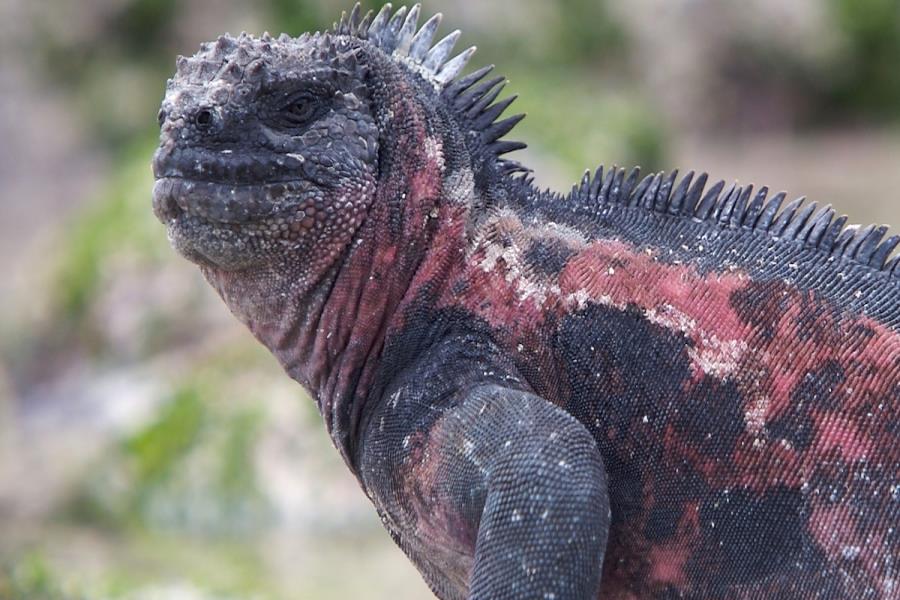
marine iguana fun facts are the things you come across, and you can’t stop sharing. They inhabit the Galápagos Islands and they do things on the planet that no other lizard can do. Marine iguanas will surely change your outlook on iguanas if you consider them to be dull creatures that sunbathe all day long.
Fun Facts Around The World About Marine Iguana!
Now, comes the decent part. These are marine iguana fun facts you probably didn’t know.
They Sneeze Salt
The marine iguana’s drink seawater when they are eating algae below the surface. The salt builds up in their bodies. To get rid of it they sneeze it out through special glands near their nose. A salt crust will form around their faces, and this can be seen frequently. The weird thing about it, but it works. One of the most difficult to accept marine iguana facts, for the first time, is this.
They Shrink When Food Is Scarce
This is a true wild plant. El Niño seasons lower the amount of algae for marine iguanas to eat. As their food dwindles, their bodies actually shrink. Not only their weight, but also their bone length. They can contract up to 20 percent of their body length and grow them back when they return to their food source. Only one other lizard does this. It is one of the most amazing marine iguana biology facts!
They can hold their breath for one hour!
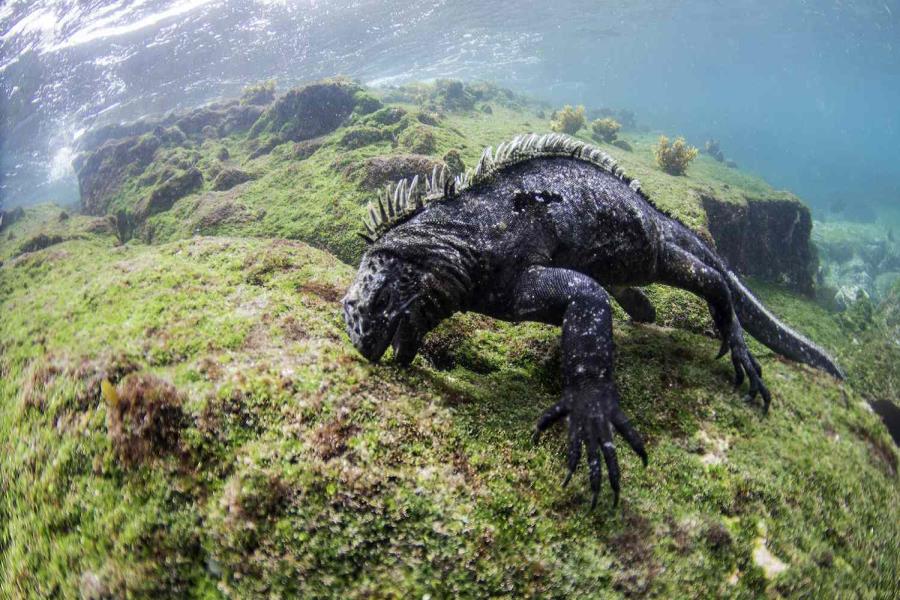
When the marine iguana dives its heart rate slows. Some can hold their breath for up to an hour! They swim with a “croco” tail that raises and lowers. They have long claws and sharp toothed jaws that enable them to hold on to rocks underwater as they feed without being carried away by the currents.
Read Also: New York Institute of Technology Tuition: The Number They Show You
They Stack Onto Each Other for Warmth
The water they dive in is cold. Really cold. Marine iguanas must warm up quickly after a swim by stacking on one another on the black lava rocks. The rocks are dark and they heat up from the sun and the iguana’s pile up to warm each other. There is a lot of people here but it’s smart. It’s one of the many marine iguana fun facts that makes perfect sense once you think about it!
Babies Run from Snakes Right After Birth
Baby marine iguanas emerge from the sand after they hatch from eggs. Once they emerge Galápagos snakes are ready. Hatchlings must run for their lives as soon as they hatch. One of the most spectacular phenomena in nature and has been recorded countless times on camera. The survival rate isn’t that high, but those who do survive are tough from the outset.
What Makes Marine Iguanas So Unusual
The majority of lizards do not like water. The marine iguanas search for food in the cold Pacific Ocean. Nothing else distinguishes them from any other species of iguana in the world. They are the sole sea dwelling lizards in the world. They are known as Amblyrhynchus cristatus and Charles Darwin was so disgusted that he described them as ugly when he first came upon them. He was mistaken in that one.
They are only found in the Galapagos Islands off of the coast of Ecuador. The numbers of people vary slightly from island to island and some islands have their own color. The ones on Española Island change colour to red and green during the mating season. It is the reason why they are known as Christmas iguanas.
Quick Facts Table: Marine Iguana at a Glance
| Feature | Detail |
| Scientific Name | Amblyrhynchus cristatus |
| Location | Galápagos Islands, Ecuador |
| Diet | Marine algae and seaweed |
| Dive Duration | Up to 60 minutes |
| Body Length | Up to 1.7 meters |
| Lifespan | Around 12 years in the wild |
| Unique Ability | Shrinks and regrows bone mass |
| Conservation Status | Vulnerable |
| Swimming Style | Tail-propelled like a crocodile |
| Special Adaptation | Salt-sneezing nasal glands |
How They Eat Underwater
Marine iguanas feed mostly on red and green algae. They scrape it off rocks using their flat snouts and three-pointed teeth. Larger males dive deeper and stay longer. Smaller females and younger iguanas feed in shallow tide pools closer to shore. The whole feeding system is built around the tides. When the tide is right the iguanas move in groups toward the water. When it gets cold they head back to the rocks.
This feeding pattern is one of the marine iguana fun facts that shows how well adapted they are. Nothing about their lifestyle is accidental. Every behavior connects to survival in a harsh environment.
Read Also: Healthcare Technology Management: The Work That Happens Before a Patient’s Life Depends on It
Why They Matter
Marine iguanas are listed as vulnerable. Introduced animals like rats dogs and cats have caused serious damage to their populations. Oil spills have also hit them hard in the past. The Galápagos National Park works to protect them but the threats are real.
They also matter scientifically. Marine iguana fun facts are not just entertainment. These animals give researchers a window into how species adapt over thousands of years. Their ability to shrink bones alone has opened up new ideas in biology.
FAQs :
Are marine iguanas dangerous to humans?
No. They are calm animals and generally ignore people. They may hiss if you get too close but they do not attack.
Can marine iguanas live in captivity ?
It is really challenging. They require certain types of salt water algae and cold ocean water. Most will not live long outside their native habitat.
What is the function of marine iguanas being so dark in colour?
They have dark skin, which means that they absorb heat from the sun quicker. They need to warm up fast after diving cold and dark colours facilitate this.
How many marine iguanas are left in the world?
Estimates range from 200,000 to 300,000. The numbers change depending on food availability and El Niño cycles.
Are marine iguanas good swimmers?
Yes. They are excellent swimmers although awkward on land. They are adapted for swimming with a flat tail and powerful legs.